
 Get Guardian on Google
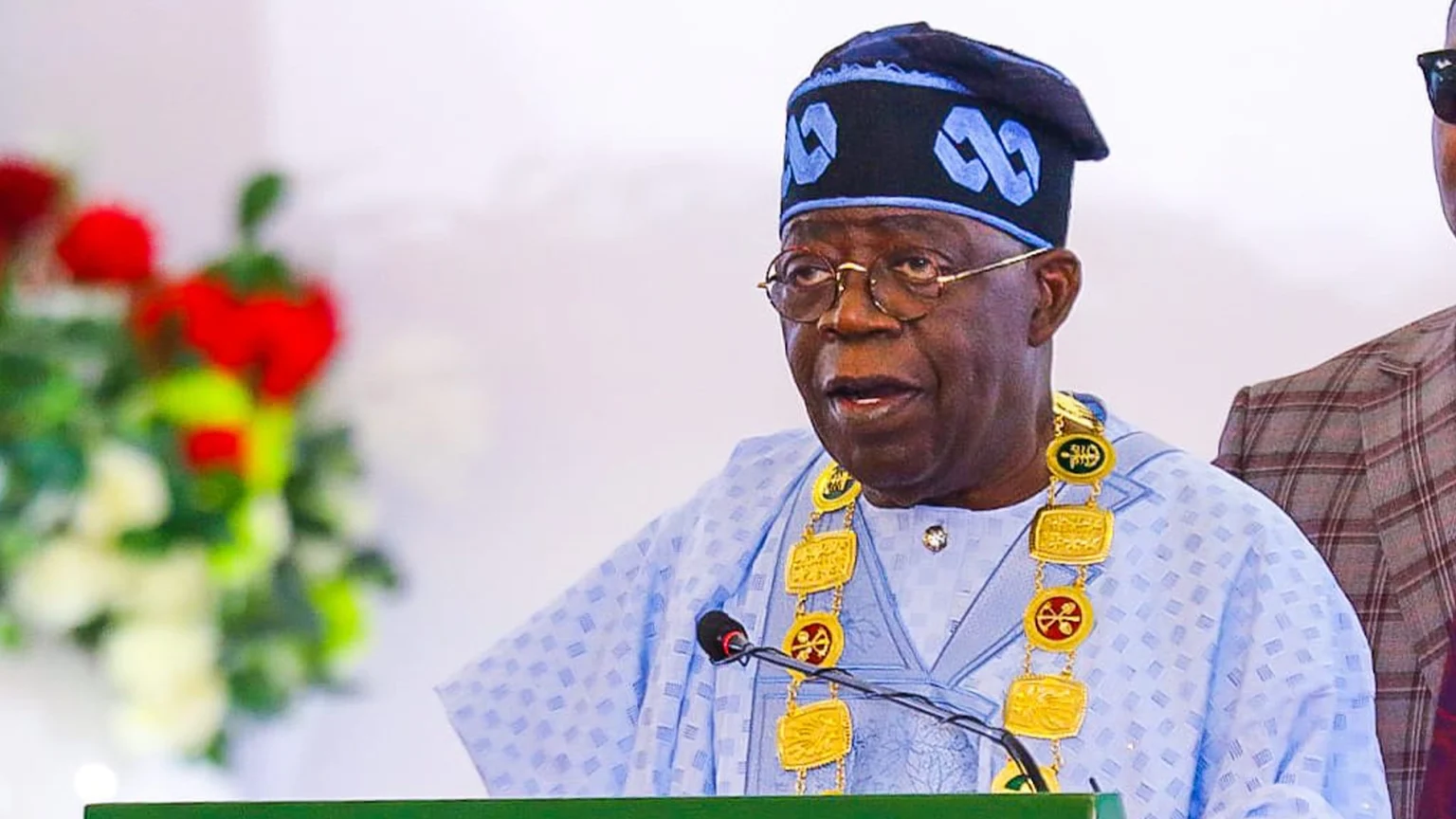
President Bola Tinubu has urged the international community to look beyond Nigeria’s negative image, particularly the country’s association with internet fraud popularly known as 419, insisting that the country has much more to offer in investment, business and human capital.
Tinubu appealed on Wednesday at the 13th World Public Relations Forum 2026 in Abuja.
The President highlighted Nigeria’s economic potential, entrepreneurial strength and growing influence in Africa.
Tinubu, represented by Vice President Kashim Shettima, said Nigeria’s reputation should not be defined by the negative stories circulating on social media, urging international delegates to explore the country’s investment opportunities and engage with its institutions and businesses.
He said: “Nigeria goes beyond the stories we tell and what you read on social media. Nigeria goes beyond 419. Nigeria is much bigger than that.”
Tinubu noted that Nigeria was home to six of Africa’s 10 unicorn companies, citing Flutterwave, OPay, Interswitch, Moove and Moniepoint, among others, as examples of the country’s entrepreneurial capacity.
He also highlighted the global achievements of Nigerians, including their educational attainments and growing presence in international business.
According to him, Nigeria’s youthful population and expanding economy position it to play a significant role in the global economy in the coming decades.
“One out of every four black men is a Nigerian. By 2050, one out of every three black men will be a Nigerian. We will surpass the United States and become the third most populous nation on earth, with a population of 440 million people,” he said.
The President urged international delegates attending the forum to establish business relationships, explore investment opportunities and become ambassadors of Nigeria’s positive story.
He also expressed appreciation to the Global Alliance for Public Relations and Communication Management for choosing Nigeria to host the international gathering, describing it as recognition of the country’s growing contribution to the global communication profession.
Tinubu, however, warned that the rapid spread of information through digital technologies and artificial intelligence had created challenges, including misinformation, disinformation, hate speech and declining public trust.
He urged public relations and communication professionals to uphold transparency, accountability, ethical standards and responsible communication in their engagements with governments, institutions and citizens.
The President said he had approved the establishment of the University of Public Relations and Leadership, describing it as a specialised institution designed to advance education, research, professional development and leadership training in public relations and strategic communication.
He commended the Nigerian Institute of Public Relations (NIPR), the Federal Ministry of Information and National Orientation and the Nasarawa State Government for their collaboration towards the establishment of the institution.
Earlier, Imo State Governor, Hope Uzodimma, said the benefits of Nigeria’s former petroleum subsidy regime largely accrued to intermediaries in the oil sector rather than ordinary Nigerians.
Uzodimma, who also addressed the forum, defended Tinubu’s decision to remove the petrol subsidy, arguing that the policy had failed to deliver its intended benefits to the majority of Nigerians.
He said: “The petroleum subsidy was meant to help ordinary Nigerians. But most of the benefits ended up with intermediaries in the sector.”
The governor acknowledged that subsidy removal had created economic difficulties for households but maintained that difficult policy decisions could deliver long-term benefits if properly communicated and understood by citizens.
He said Nigerians across different sectors had openly demanded the removal of the subsidy before the policy was implemented.
Uzodimma also argued that the removal had increased the resources available to state governments for infrastructure and socioeconomic development.
He stressed that governments must communicate the reasons behind difficult decisions honestly and consistently to sustain public confidence.
“Achieving these takes consistent communication. You will need to keep communicating honestly and effectively with the people until they trust you,” he said.