
 Get Guardian on Google
Childhood obesity has overtaken underweight as the most common form of malnutrition among children and adolescents worldwide, marking a significant shift in the global nutrition crisis, according to the World Health Organisation (WHO).
The development, recorded for the first time in 2025, comes as more than one billion people globally are now living with obesity, with its prevalence rising sharply across age groups. According to WHO, obesity currently affects one in seven people worldwide, while its prevalence has more than doubled among adults and quadrupled among adolescents.
Worried by the growing burden, WHO, United Nations Children’s Fund and 20 other countries have launched a global call to action on obesity, tagged Bending the Curve by 2030, to accelerate prevention, early intervention and access to treatment.
Under the commitment, participating governments pledged to reduce national obesity prevalence by five per cent by 2030 through coordinated measures to prevent overweight and obesity, identify people at higher risk early and provide timely, affordable care for those already living with the condition.
Obesity increases the risk of several non-communicable diseases (NCDs), including cardiovascular diseases, diabetes and some cancers.
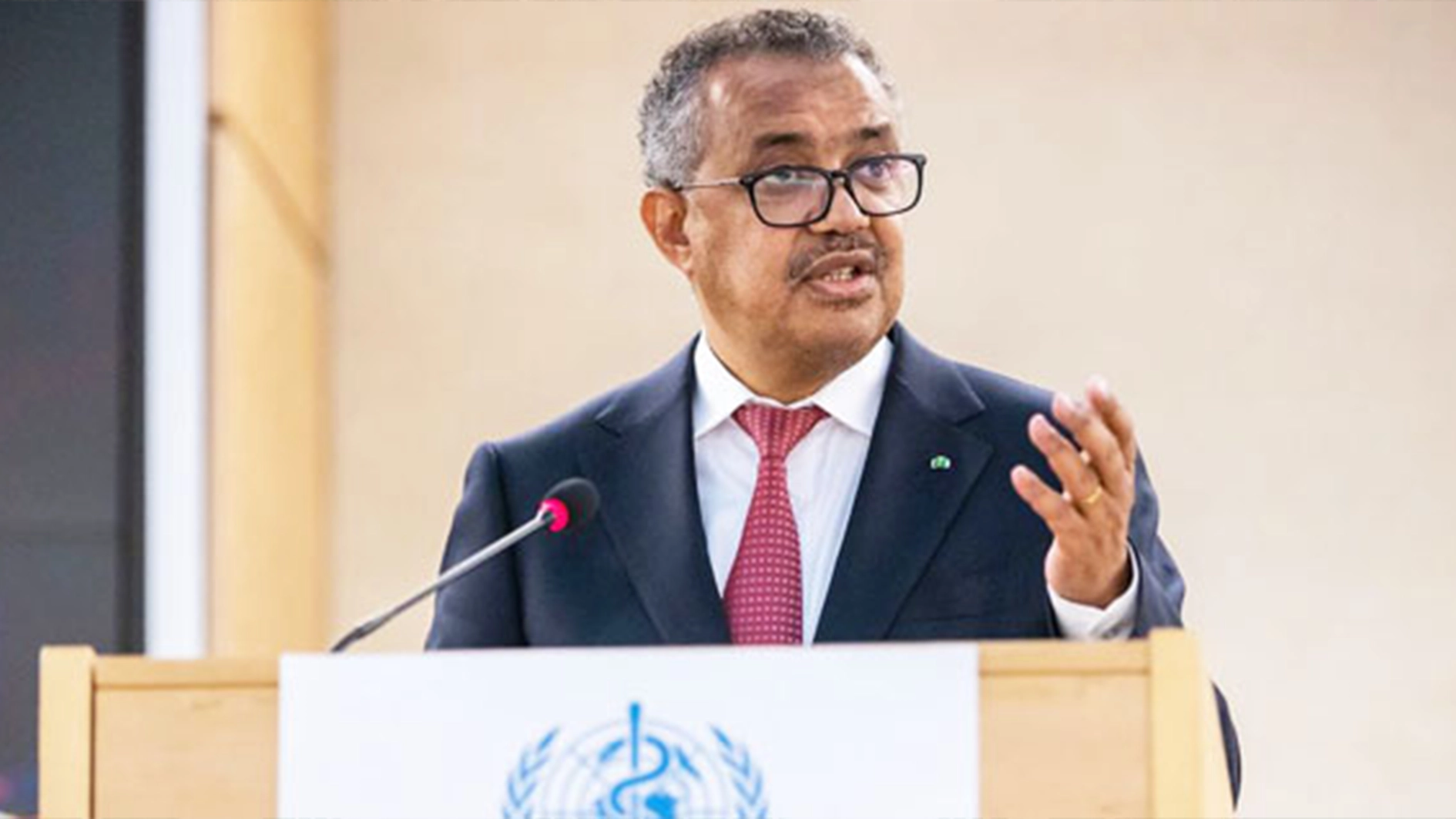
Speaking on the initiative, WHO Director-General, Dr Tedros Adhanom Ghebreyesus, described obesity as one of the defining public health challenges of the present time, but maintained that its continued rise could be reversed through deliberate interventions.
He commended governments for their commitment to tackling the crisis, stressing the need to create healthier environments, protect children and ensure that people living with obesity have access to the care and support they require.
The global call to action noted that addressing obesity would require interventions across three key areas: preventing overweight and obesity across populations, identifying and supporting people at higher risk at an early stage, and ensuring timely, effective and affordable treatment and care.
To achieve the target, countries are encouraged to implement proven interventions, including promoting breastfeeding and adequate complementary feeding during early childhood, establishing healthier school environments, introducing taxes on sugar-sweetened beverages and adopting front-of-pack nutrition labelling.
Other recommended measures include restricting the marketing of unhealthy foods to children, creating policies that encourage physical activity and strengthening obesity prevention and care within primary healthcare, including the use of pharmacotherapy where appropriate.
The initiative also emphasised the importance of involving people living with obesity in designing policies and healthcare services, rather than treating them merely as recipients of care.