
 Get Guardian on Google
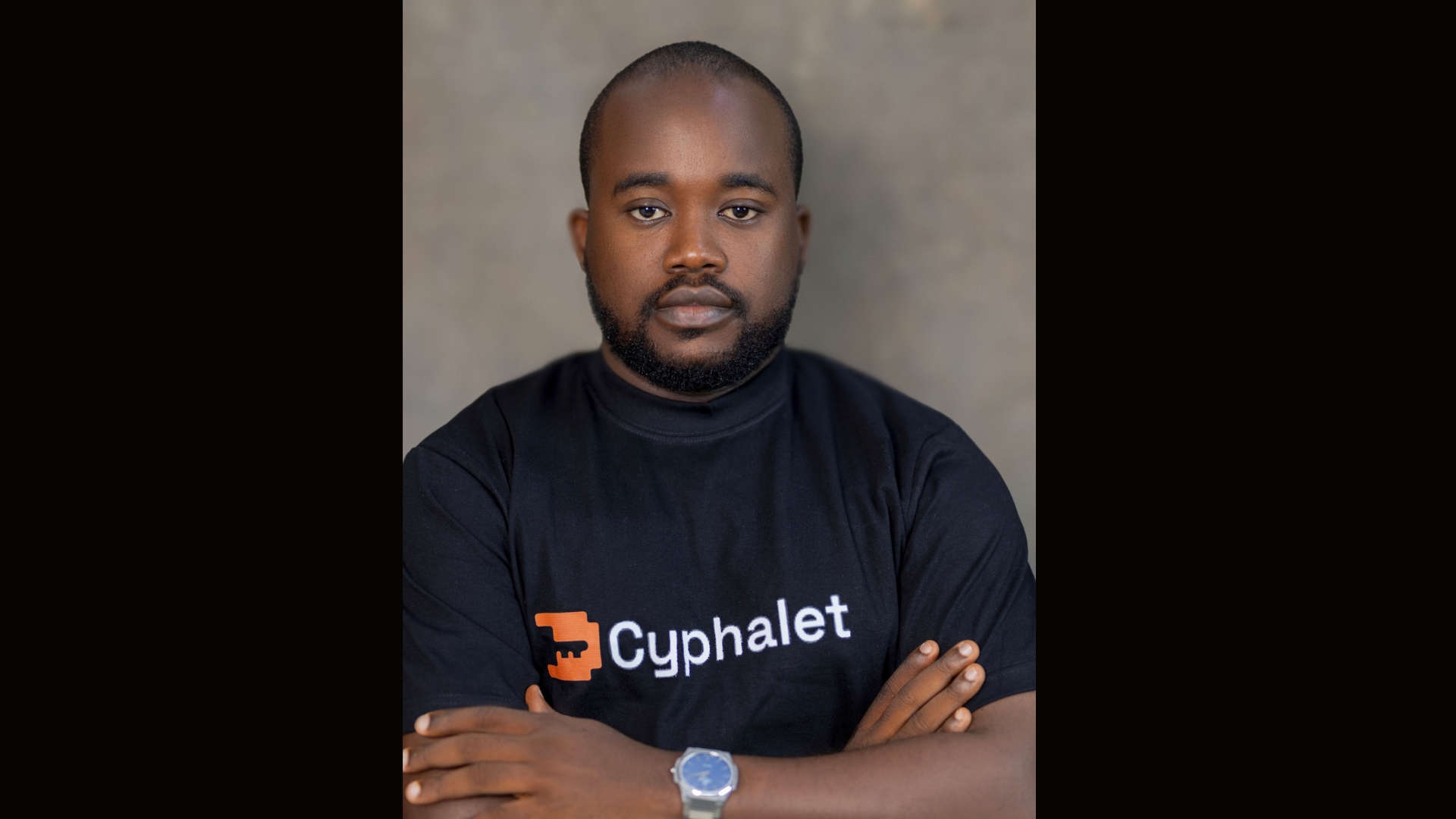
For many Nigerian importers, paying overseas suppliers remains a major obstacle, with delays, high transaction costs and limited access to reliable payment channels affecting business growth. In this interview with The Guardian, Sunday Olanite, CEO and Co-Founder of Cyphalet, discusses the payment challenges facing Nigerian businesses, how Cyphalet has processed over $10 million in cross-border transactions within five months, and the role of secure, efficient payment infrastructure in supporting Africa’s international trade.
You previously ran an import business between China and Nigeria. What challenges did you encounter that eventually led you to establish Cyphalet, and what gap in the market were you looking to address?
Getting goods from China to Nigeria was often easier than paying the supplier. International bank transfers were slow and expensive, leaving many importers, myself included, dependent on informal agents who collected naira and settled payments on our behalf. While this arrangement was convenient, it came with significant risks. Payments were made through third-party accounts, often with limited documentation or accountability. I remember witnessing a Nigerian couple in Guangzhou lose money to an agent and spend days trying to find another way to pay their supplier. That experience stayed with me because it exposed how vulnerable importers were.
Years later, I saw a similar challenge emerge among Nigerian car dealers when US vehicle auction platforms such as Copart and IAA tightened their third-party payment requirements. Importers who had relied on agents suddenly found themselves unable to complete purchases, even when they had the funds available.
For me, that highlighted a much bigger gap in the market. Nigerian businesses needed a payment solution that combined the speed and convenience of informal channels with the security, transparency and accountability expected of formal financial services.
That became the foundation for Cyphalet. We started by addressing the needs of vehicle importers and have since extended our services to businesses paying suppliers across other international markets.
Access to foreign exchange remains a major challenge for Nigerian businesses involved in international trade. Beyond currency availability, what are the biggest payment-related obstacles importers face, and how do these affect their profitability and operations?
Having access to dollars is one thing. Being able to pay overseas suppliers on time, through an accepted channel and at a predictable cost is another. This is where many Nigerian importers continue to struggle.
One major challenge is payment identity. Some international platforms, particularly US vehicle auctions, require payments to come directly from the registered buyer. This creates difficulties for importers who traditionally rely on third-party agents, as their payments can be rejected even when they have the funds available.
Delays are equally costly. A transfer that takes several days can result in auction penalties, storage charges or delayed shipments. For smaller businesses, it also means having valuable working capital tied up when it could be used for the next purchase.
Transparency is another concern. Unpredictable exchange rates and hidden charges make it difficult for importers to calculate their costs accurately and protect their margins.
Ultimately, these challenges affect profitability and growth. Importers depend on buying, selling and reinvesting their capital quickly. When payments are delayed, rejected or more expensive than expected, that entire cycle slows down.
Cyphalet has reportedly processed over $10 million in cross-border payments within five months of launching. What has driven this growth, and what does it reveal about demand for alternative cross-border payment solutions among Nigerian businesses?
Our growth has been driven largely by word of mouth and, more importantly, the trust we’ve built with our customers. We started by addressing a pressing need among Nigerian car importers, but what has sustained that growth is the experience customers have had using our platform. Importers operate within closely connected business communities where recommendations carry significant weight. When a dealer successfully completes a transaction, they’re more likely to recommend us to others. That’s how we’ve grown to serve over 500 businesses and process more than $10 million without spending on advertising.
For me, this growth demonstrates the significant demand for reliable cross-border payment services among Nigerian businesses. It also shows that when a financial product solves a genuine business need and consistently delivers, customers can become its strongest advocates. And I believe we’ve only scratched the surface of that opportunity.
Many Nigerian importers still rely on conventional banks, informal FX operators and payment intermediaries to settle international transactions. What makes Cyphalet’s approach different, and how are you convincing businesses to move away from familiar payment channels?
For most importers, the challenge is finding a payment solution that combines speed, security and reliability. Traditional banks are trusted, but international transfers can take days. Informal agents may be faster, but handing large sums to third parties often comes with significant risks and limited accountability.
At Cyphalet, we’ve brought these essential elements together. Every business gets a dedicated naira account in its own name, allowing customers to convert funds and pay overseas suppliers directly through our platform. Transactions are traceable, exchange rates and fees are transparent, and customers receive proper payment receipts. Security is central to how we operate. We verify every business before onboarding, maintain transaction monitoring and compliance controls, and work with licensed payment partners. We’re also registered with FinCEN in the US as a Money Services Business. Our payment infrastructure enables us to process transactions more efficiently than conventional international bank transfers, without compromising on transparency and accountability.
Ultimately, customers are convinced by the experience. Many start with one transaction and return because their payments are handled reliably. That trust has driven much of our growth through referrals. For importers, knowing their money is handled responsibly and their suppliers can be paid promptly makes all the difference.

Trust remains a significant concern when businesses transfer large sums of money internationally. How does Cyphalet address issues around transaction security, payment transparency and regulatory compliance, particularly when transactions involve multiple countries?
For an importer, the biggest question is often: if something goes wrong, who can I speak to and what evidence do I have? We have tried to make those answers clearer at every stage of the payment process.
We verify businesses before they transact and apply additional checks where a customer or transaction presents greater risk. We also maintain transaction records that link payments to the relevant business. On pricing, customers see the exchange rate and applicable charges before confirming a payment. Once a transfer is completed, they receive a record they can use for reconciliation, supplier queries and their own accounts.
Cross-border transactions involve different rules and counterparties, so we work through payment partners and maintain anti-money-laundering and transaction-screening controls. Cyphalet, Inc. is registered with FinCEN as a Money Services Business, while our Nigerian operations are conducted through Cyphalet Technology Ltd. We recognise that registration alone is not a substitute for every licence that may be required in a particular market.
No payment provider can credibly promise that problems will never occur. What matters is having the checks, documentation and support processes to identify problems, explain what happened and resolve issues responsibly.
Trust is fundamental when businesses are moving significant amounts of money across borders. Beyond completing a payment, customers need assurance that their funds are handled securely, their transactions are traceable and there is accountability if something goes wrong.
At Cyphalet, we verify every business before onboarding and carry out transaction monitoring and additional checks where necessary. Customers fund dedicated naira accounts in their business names, with balances recorded against individual customer wallets. This gives us a clear record of who owns the funds and where payments are going.
Customers can also see the exchange rate and applicable fees before confirming a transaction, and every completed payment comes with a receipt in their business name. This helps them maintain proper financial records and resolve payment queries.
On compliance, Cyphalet is registered with FinCEN in the United States as a Money Services Business and operates in Nigeria through licensed payment partners. We also maintain anti-money-laundering controls and transaction screening processes.
For us, building trust means ensuring every transaction is transparent, properly documented and backed by clear accountability. That’s the standard we want businesses to expect when moving money internationally.
Beyond US vehicle auctions, Cyphalet now facilitates payments to suppliers in China, India, South Korea and the UAE. What opportunities are emerging across these trade corridors, and which sectors are showing the strongest demand?
Automotive remains our largest sector, but we’re seeing growing demand from businesses importing electronics, industrial machinery and renewable energy equipment. These are sectors where Nigerian businesses depend heavily on international suppliers, making efficient cross-border payments critical to their operations.
Solar is particularly interesting. As more Nigerian households and businesses invest in alternative power solutions, demand for imported solar equipment, batteries and inverters is creating opportunities across the supply chain. We also see significant potential in industrial machinery, where businesses need reliable access to overseas manufacturers to expand their operations.
One thing we’ve learnt is that importers rarely operate within a single trade corridor. A business might source equipment from China, components from South Korea and other supplies from the UAE. Managing payments across these markets often means dealing with different providers, exchange rates and settlement timelines.
Through our network of facilitating payment partners, we’re able to support businesses making payments to suppliers across these markets, giving them access to multiple trade corridors through a single platform. This allows importers to manage their international payments more efficiently and pursue new supplier relationships without having to navigate different payment arrangements for each market.
For us, the broader opportunity is to remove payment barriers that limit African businesses’ ability to compete and grow through international trade.
You have attributed Cyphalet’s early growth entirely to referrals, without spending on marketing. What has this taught you about the purchasing behaviour of Nigerian importers, and what challenges do you anticipate as you scale beyond your existing customer network?
One of the most important lessons we’ve learnt is that trust plays a much bigger role in financial decisions than price or marketing. For importers, an international payment often represents a significant portion of their working capital. They’re understandably cautious about who they entrust with that money.
We’ve found that recommendations from fellow business owners carry considerable weight. Many customers begin with a relatively small transaction to assess our reliability before committing larger volumes. Beyond speed and competitive rates, they value transparency, consistency and knowing they can reach someone when they need support. Although we haven’t spent on paid advertising, our growth has required deliberate investment in customer relationships and maintaining a presence within the trading communities we serve. That has been instrumental in building credibility and encouraging repeat business.
As we scale, the priority is to move beyond a referral-led model without losing the trust and personal service that helped us establish the business. This means strengthening our customer support infrastructure, investing in technology that can handle larger transaction volumes and building broader distribution partnerships. We’re also conscious that growth brings greater regulatory and operational responsibilities. Our focus is on building the systems, compliance capabilities and institutional relationships needed to serve thousands of businesses with the same reliability our first 500 customers have come to expect.
Cyphalet is exploring partnerships with logistics companies and other players in the trade ecosystem. How important are these relationships to your expansion strategy, and what practical benefits could they offer Nigerian importers?
Strategic partnerships are an important part of our growth strategy because payments are closely connected to logistics, shipping and the wider trade ecosystem. For logistics companies, receiving payments from multiple importers through third parties can create reconciliation challenges and delay shipments. Cyphalet helps address this by enabling payments linked to verified businesses, with clear transaction records that make settlements easier to track.
We’re already seeing this work in practice, with one logistics company recommending Cyphalet to its customers and its payment details integrated into our platform. Beyond improving payment efficiency, these relationships give us access to established trading networks and new customer segments. We see opportunities to build similar relationships with freight forwarders, clearing agents and other service providers, making international trade more seamless for Nigerian businesses.
Looking ahead, Cyphalet has ambitions to expand into other West African markets and introduce additional payment options. What are your immediate priorities, and what do you see as the biggest obstacles to building a sustainable cross-border payments business in Africa?
Our immediate priority is to strengthen our position in Nigeria, where we’ve served over 500 businesses but still see significant room for growth. We’re investing in our payment infrastructure, expanding our network of facilitating partners and strengthening our compliance and customer support capabilities. We’re also taking steps to strengthen our regulatory framework in Nigeria as part of our long-term growth strategy.
We see considerable potential across West Africa, but regional expansion requires careful planning. Different regulatory requirements, currency controls and banking systems make cross-border payments complex, while currency volatility and dependence on international financial partners create additional operational risks.
Our approach is to build a resilient business with strong regulatory foundations, diversified payment partnerships and the capacity to scale without compromising reliability. We believe the opportunity to improve how African businesses participate in international trade is substantial, and we’re positioning Cyphalet to serve that demand sustainably.