
 Get Guardian on Google
Energy experts have called for increased investment in flexible power generation and energy storage to improve Nigeria’s electricity supply, warning that the country must address persistent reliability challenges while expanding renewable energy capacity.
They said a combination of flexible engine power plants, battery storage and renewable energy could help stabilise the electricity system, reduce reliance on inflexible generation and provide industries with the dependable power needed to sustain production.
The experts spoke at the 2026 Energy Transition Forum, organised by Wärtsilä in Lagos and Abuja, where power-sector stakeholders and major electricity consumers examined how Nigeria could deliver reliable and affordable electricity while pursuing a cleaner energy future.
Participants included representatives of Elektron Energy, Axxela, Paras Energy, Nestlé and Flour Mills of Nigeria.
Director, Africa, Wärtsilä Energy, Marc Thiriet, said the success of Nigeria’s energy transition would depend on the reliability and affordability of electricity delivered to consumers rather than the number of renewable energy installations.
He said solar and wind generation would increasingly provide low-cost electricity but would require complementary technologies to manage fluctuations in output.
According to him, battery energy storage systems could store excess electricity and release it when needed, while flexible engine power plants could respond quickly when renewable generation falls or demand increases.
“The more renewables we bring into the system, the more important it becomes to have the right balancing capacity in place,” Thiriet said.
Managing Director, Wärtsilä Nigeria, Wale Yusuff, said investment decisions should consider operating conditions, fuel quality, temperature and the ability of power plants to adjust output.
He said modular engine plants could reach full power in about two minutes and adjust generation by starting or stopping individual units, allowing operators to respond quickly to changes in demand.
Yusuff added that their ability to minimise output losses under hot conditions made them suitable for Nigeria’s operating environment.
Senior Manager, Growth and Development for Africa and Europe at Wärtsilä Energy, Krzysztof Lokaj, said industries needed electricity systems that could accommodate changing production requirements and integrate on-site renewable energy.
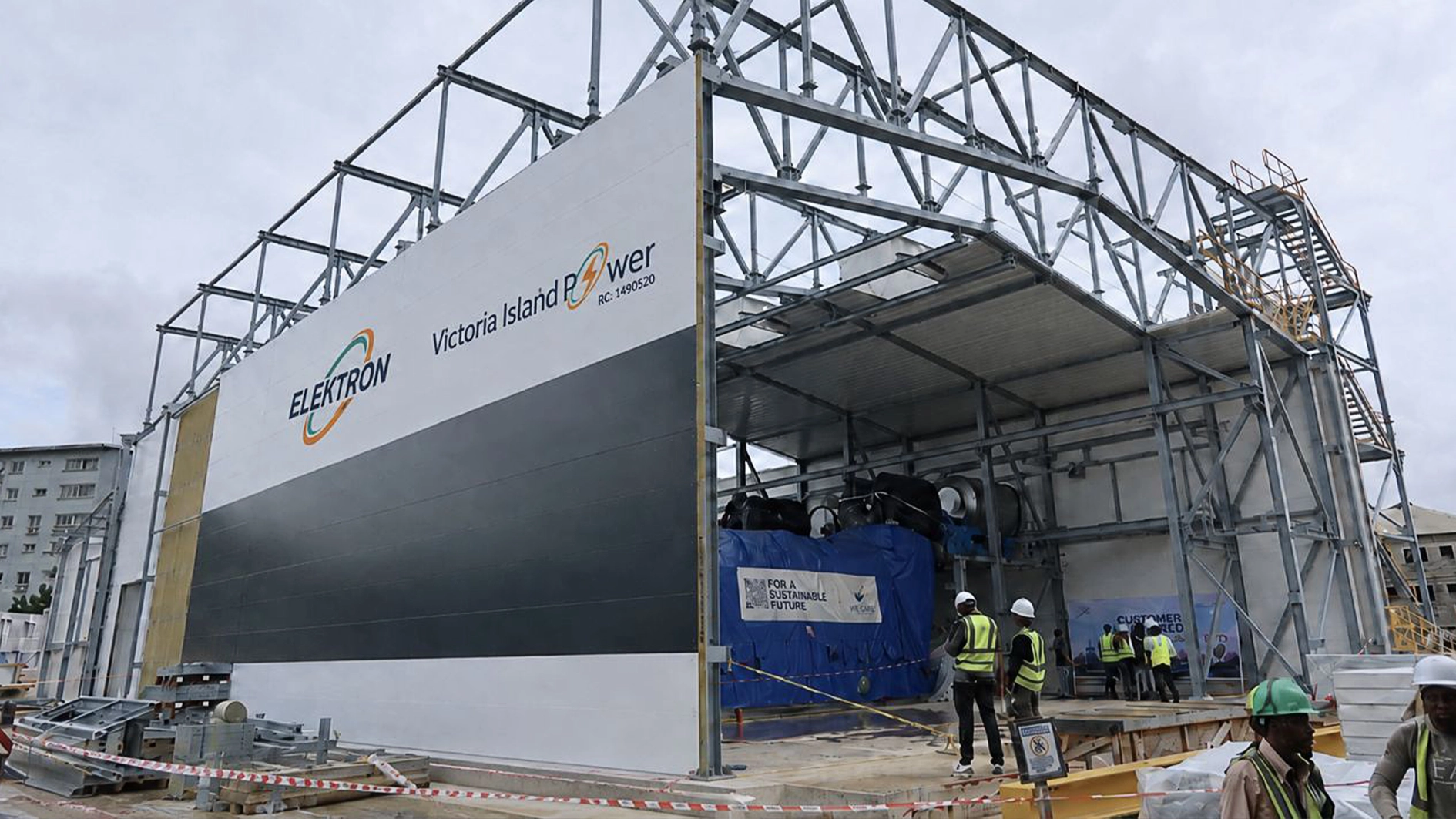
He said Wärtsilä managed 800 megawatts of generation capacity at facilities including Paras Energy Ogijo, Nestlé Agbara, HBM Ewekoro, VIPL Victoria Island and HBM Mfamosing.
Lokaj said proactive maintenance, timely upgrades and local expertise were essential to sustaining power generation throughout the lifespan of energy assets.
Meanwhile, Director, Sustainability and Future Plant Concepts at Wärtsilä, Rasmus Teir, said investments in flexible technologies should also prepare the sector for cleaner fuels, including ammonia, methanol, biofuels and hydrogen.
“The sensible approach is to invest in flexible technology today while preparing for cleaner fuels as they become available and economically viable,” Teir said.
The experts’ position highlights the need for Nigeria to look beyond adding generation capacity and address the flexibility required to deliver dependable electricity. As renewable energy expands, investments in storage, balancing capacity and responsive generation will become increasingly important to maintaining system stability and meeting the needs of industrial consumers.