
 Get Guardian on Google
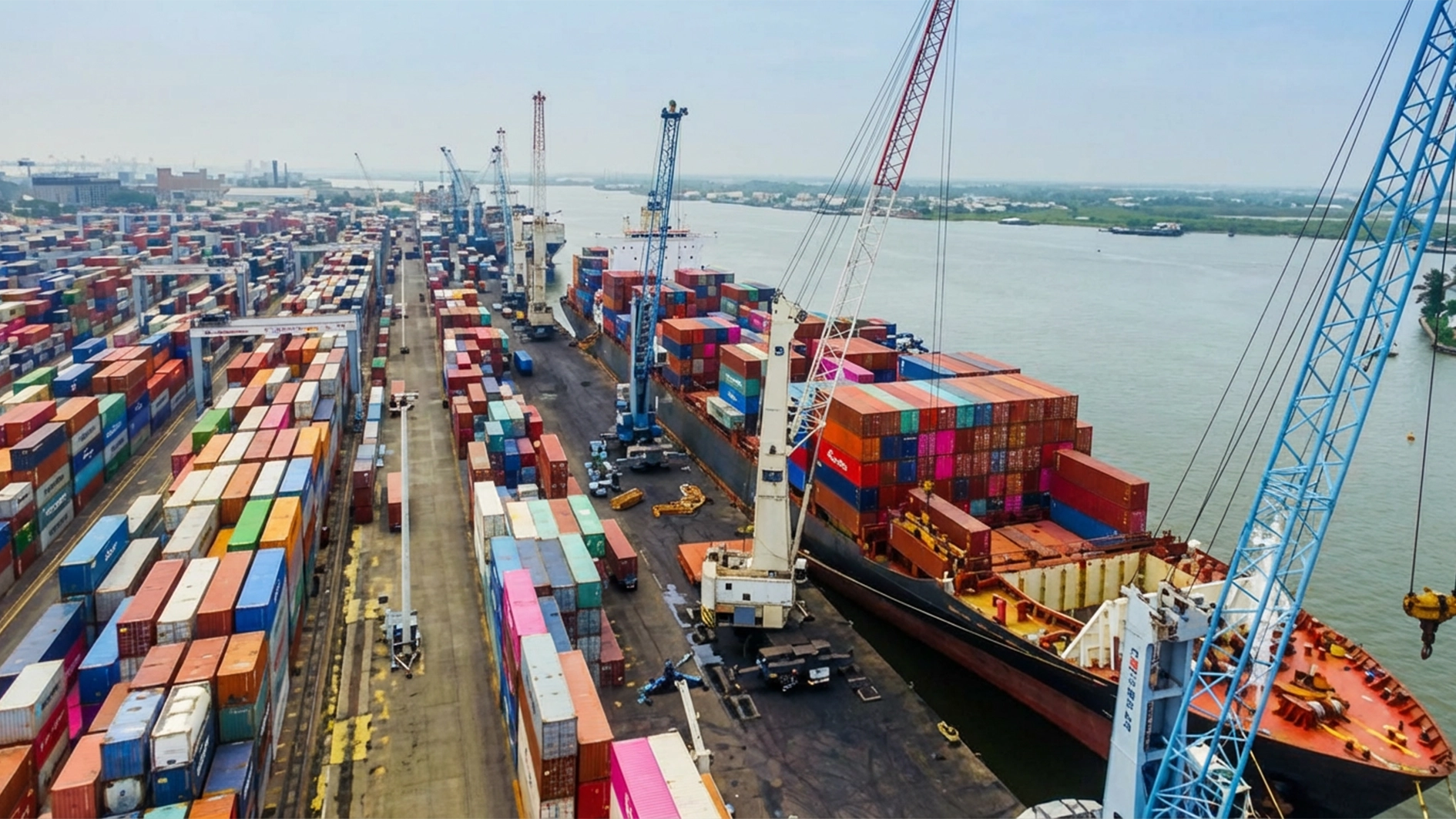
The Nigerian Ports Economic Regulatory Agency (NPERA) and the Lagos Chamber of Commerce and Industry (LCCI) have advocated a coordinated mechanism of several interconnected systems to address port inefficiency, traffic congestion, prolonged cargo clearance, vessel delays, high demurrage and storage charges, and unpredictable logistics schedules that increase the cost of moving goods.
Both agencies agreed that these costs ultimately contribute to higher prices, weaken purchasing power, reduce the competitiveness of Nigerian enterprises and products and affect the attractiveness of the economy to investors.
These were stated yesterday at the LCCI Freight Forwarders Trade Group Strategic Stakeholders’ Engagement held in Lagos under the theme: “Optimising Port Traffic and Terminal Efficiency: Public-Private Solutions for Apapa and Tincan Island Ports.”
The Director-General, NPERA, Dr Pius Akutah, said the ports are critical economic infrastructure supporting international trade, industrial production, employment generation, government revenue and Nigeria’s competitiveness in regional and global markets.
He said when the nation’s ports operate efficiently, businesses become more competitive, goods reach their destinations faster, logistics costs decline and the national economy benefits.
Akutah said, conversely, when congestion, unnecessary delays, unpredictable charges and inefficient cargo handling processes persist, the consequences are felt across the entire economy.
He said improving port efficiency is not simply a maritime sector concern, but depends on coordinated performance of several interconnected systems which include terminal operations, shipping services, truck movements, cargo examination, customs clearance, documentation, port access roads, holding bays, warehousing and the evacuation of cargo through road, rail and inland waterways.
He noted that where one component fails to function effectively, the entire logistics chain can be affected.
President/Chairman of Council, LCCI, Leye Kupoluyi, argued that inefficient ports impose substantial costs on businesses and consumers, noting that businesses depend on timely access to raw materials, machinery and intermediate goods.
He stated that when cargo is delayed, production schedules are disrupted, working-capital requirements increase and business productivity suffers, adding that exporters equally need reliable port services to meet delivery deadlines and compete effectively in international markets.
The LCCI President recommended public-private solutions such as a structured port corridor coordination mechanism that should identify bottlenecks, assign responsibilities, and monitor progress against measurable performance indicators, including cargo dwell time, vessel waiting time, and truck turnaround time.
Kupoluyi proposed improved truck traffic management, noting that the Ètò system should be integrated with terminal appointments, delivery orders, and real-time cargo readiness information.
He said trucks should be scheduled to arrive when terminals can receive or release their cargo, noting that the government should also expand properly managed truck parks and holding bays while enforcing regulations against illegal parking, unauthorised checkpoints, extortion, and fraudulent call-up practices.
The LCCI President called for improved terminal productivity, noting that terminal operators should invest in modern cargo-handling equipment, digital yard management, automated gates, and real-time cargo tracking.