 Follow Us on Google News


 Follow Us on Google Discover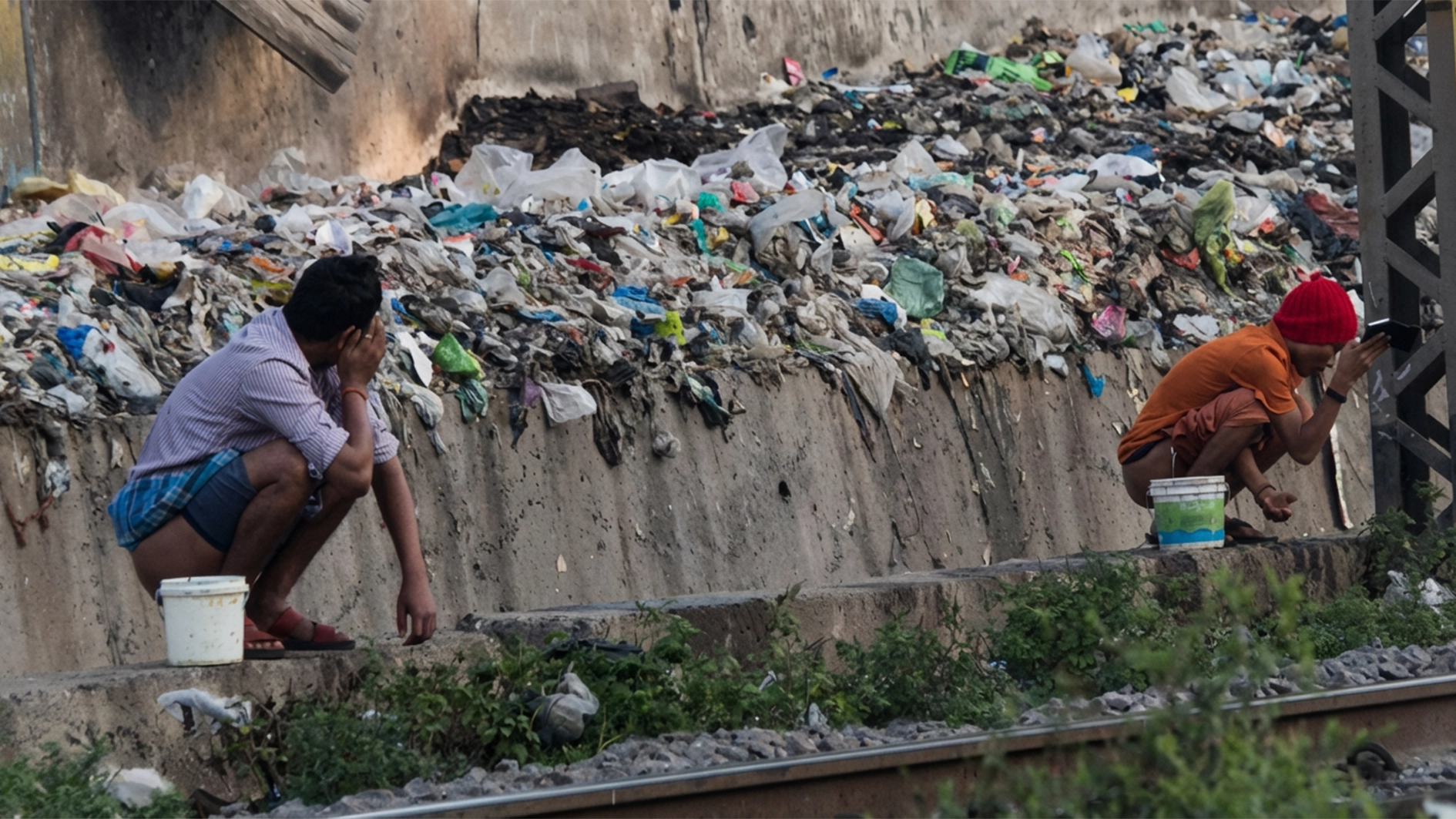
WaterAid Nigeria through Sanitation Hygiene Fund (SHF) has provided over 16,400 basic household toilets and 4,500 sanitation facilities across three Local Government Areas (LGAs) of Bauchi State to curb Cholera outbreak and open defecation.
The Country Director of WaterAid Nigeria Evelyn Mere disclosed this at the learning event of the Accelerating Inclusive Sanitation and Hygiene Economy in Nigeria project, supported by the Sanitation and Hygiene Fund (SHF).
The Country Director who was represented by the Program Manager Nanpet Chuktu said that the 24-month project was implemented in Jama’are, Misau and Tafawa Balewa LGAs across 1,283 communities to enable them achieve Open Defecation Free (ODF) status as well as provided improved sanitation for 484,449 people.
According to her, the project was designed to address recurring cholera outbreaks, open defecation, inadequate sanitation services and limited access to safe hygiene practices in the affected communities.
She said WaterAid, in partnership with other stakeholders, worked to strengthen sanitation systems, stimulate the sanitation market, promote innovation, improve hygiene behaviour and enhance gender inclusion.
“Through house-to-house engagement, mass media campaigns, and digital communication platforms, we have reached 900,000 people with key hygiene behaviour change messages that will protect families from disease for years to come,” she said.

Mere said the project also supported sanitation entrepreneurs through training, mentoring and access to financing, enabling them to expand their businesses, generate income and create jobs.
She added that women and young people had emerged as leaders and entrepreneurs in the sanitation sector, demonstrating that inclusive sanitation markets could contribute to improved health and economic empowerment.
According to her, the project also improved sanitation governance and introduced innovative and locally accessible solutions, including Gulper technology and the Citywide Inclusive Sanitation approach.
She said the interventions would provide a foundation for continued improvement in the sanitation service chain beyond the closure of the project.
The Country Director said the project had also improved the safety, dignity, professional recognition and incomes of sanitation workers.
She cited the experience of communities such as Dunkuyi Ambi, where residents had moved away from repeated cholera outbreaks and open defecation towards improved sanitation and hygiene practices.
She also highlighted the experience of women entrepreneurs, including Hajiya Zainab Shehu, whose sanitation business had grown while contributing to improved sanitation and hygiene practices in her community.
The Country Director emphasized that sanitation should not only be viewed as a means of protecting public health and dignity but also as an economic opportunity capable of creating jobs, alleviating poverty, sustaining livelihoods and contributing to economic growth.
The Permanent Secretary Federal Ministry of Water Resources and Sanitation Dr . Emanso Umobong who was represented by the director Water Quality, Control and Sanitation Dr Jamiliu Habu stated that the Sanitation and Hygiene Fund-supported project addressed critical challenges in the sector, including sustaining Open Defecation Free (ODF) outcomes, promoting Citywide Inclusive Sanitation (CWIS), strengthening governance, and promoting sanitation entrepreneurship.
He stated that although Nigeria has made progress with about 179 LGAs attaining ODF status under the Clean Nigeria Campaign backed by Executive Order 009, he stressed that attaining ODF status is not the end but the beginning of responsibility to prevent slippage.
He said this requires continuous monitoring, behavioural change, community ownership, local government leadership and sustainable financing adding that the lessons will feed into the revised Clean Nigeria Campaign Strategy 2025-2030 which aims to achieve an ODF Nigeria by 2030.
The Permanent Secretary urged stakeholders to move from project results to sector-wide action by institutionalizing, replicating and scaling what works. He commended WaterAid Nigeria, development partners, state and local governments, civil society, communities and sanitation entrepreneurs for their contributions.
The Commissioner for Health Bauchi state Eng Suleiman Keelah commended WaterAid for bringing the project to the state saying cholera outbreak in the state has drastically reduced as a result of the project.
He however appealed for extension of the project timeline as well as inclusion of other local government areas in the procet.
The Program Manager of SFH Elisha Sulau disclosed that the Fund was provided by the United Nations system to scale up Santation in Bauchi state.
While applauding the role of Sanitation entrepreneurs , he said the project has shown that sanitation can be a viable, life-changing business that the private sector can tap into, He disclosed plans by SHF, in partnership with development banks to scale up financing for micro, small and medium entrepreneurs in the sector.

