 Follow Us on Google News



 Follow Us on Google Discover
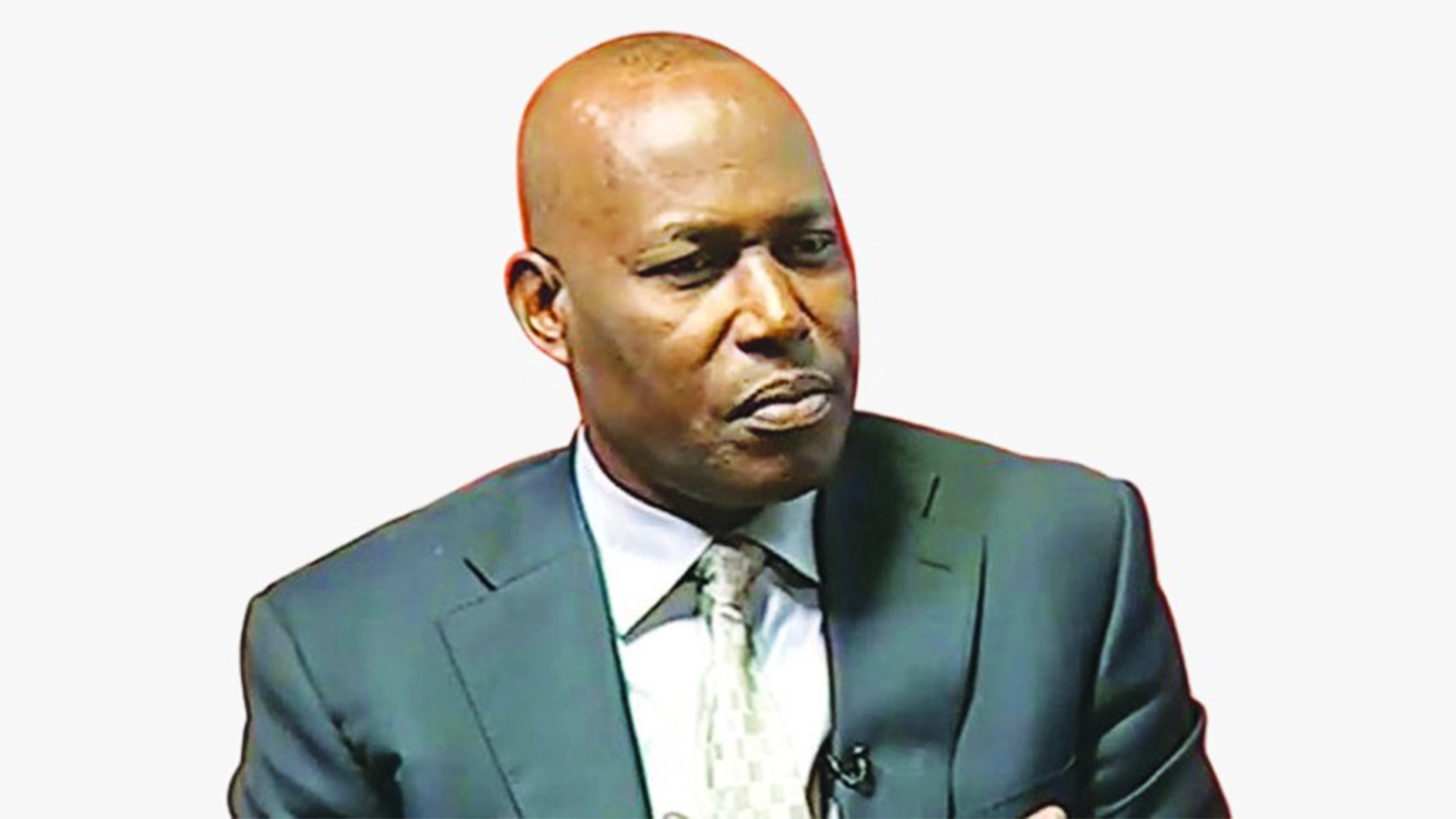
Amid transition of local media to online spaces, former Managing Director and Editor-in- Chief of The Guardian Newspapers, Martins Oloja, has called for urgent digital media education.
He stated this in a recent festschrift, titled, ‘Communication and media in Nigeria: Celebrating Bimbo Oloyede’s contribution to five decades of theory, practice and transformation.’
Writing on the topic, ‘Methodical madness, print media newsroom drama and audience response,’ Oloja dissected the complex relationship between the newsroom drama and audience response.
Saying newsroom drama can have significant impact on audience response, he, however, highlighted critical factors that can influence actions such as, sensationalism, bias, emotional storytelling, social media engagement, audience feedback, ratings and viewership.
For many organisations, he observed the path to digital innovation has been, and perhaps, remains, long and painful.
To him, “this is because although audiences have embraced the tools that allow them to choose the easiest means of accessing content, unfortunately, the organisations that produce the content have less access to those same tools. The truth is that after the initial euphoria over the ability to publish online, the realisation that audiences now expect their products regularly and for free, hits home.”

Consequently, he noted advertisers have taken their business online but face an increased use of ad-blockers. He added, “social media platforms also use alternative ‘one-stop-shop’ venues of opportunity, with advantages for all stakeholders.
“They offer both advertisers and audiences personalised news feeds.”
It is as if audiences have stepped out from behind the curtain when consuming news content on social media. Passively, by surrendering user data with every scroll and click, and more actively by explicitly liking, sharing or commenting, they have become measurable entities that mean potential revenue for advertisers, for social media platforms and for news organisations.
Painfully, Oloja noted while the latter are still trying to figure things out, “news content consumer are simultaneously more elusive, yet more quantifiable, and their behaviour and preferences are more transparent to the professional producers of such content.”
Today, he suggested researchers need to focus not only on the relationship between users and journalism, but also why and how journalism matters to its users. The other spectrum of the ‘audience turn’ in journalism studies.
Noting digitisation of journalism enabled news to evolve from a genre of information into a social experience, Oloja further called for questions to address why and how audiences and users of journalism changed from a marginal topic into a crucial concern.
He added, “there should be further exploration into why and how evaluating the way that people use news should be integrated into journalism studies. While journalists strive to maintain editorial independence and authority over news selection and gatekeeping, he stated the affordances of digital media consumption empower audiences to compete with professional journalists.
Yet as citizens cross the boundaries of news media production and consumption,” he noted these territories have become more liquid and less clearly defined, giving citizens more options.’
To him “the ‘monitorial citizenship’ of audiences scanning the vast offerings of news choices, works hand-in-hand with professional journalists’ constructed definitions and self perceptions of what it means to be a journalist.
In conclusion, Oloja advised, “there is need for digital media education and the ongoing digital transition of local media organisations requires them to invest in new dissemination spaces, to align with changes in audiences information practices.
“What these challenges have in common however is the need to rethink the bond with audiences. Thus, issues in the management of the drama in the newsroom and the concomitant audience participation in this regard should be further studied by scholars and professionals so that the post-Bimbo Oloyede journalism world practitioners would understand these very digital journalism times and know what they ought to do to remain relevant.”

