 Follow Us on Google News
 Follow Us on Google Discover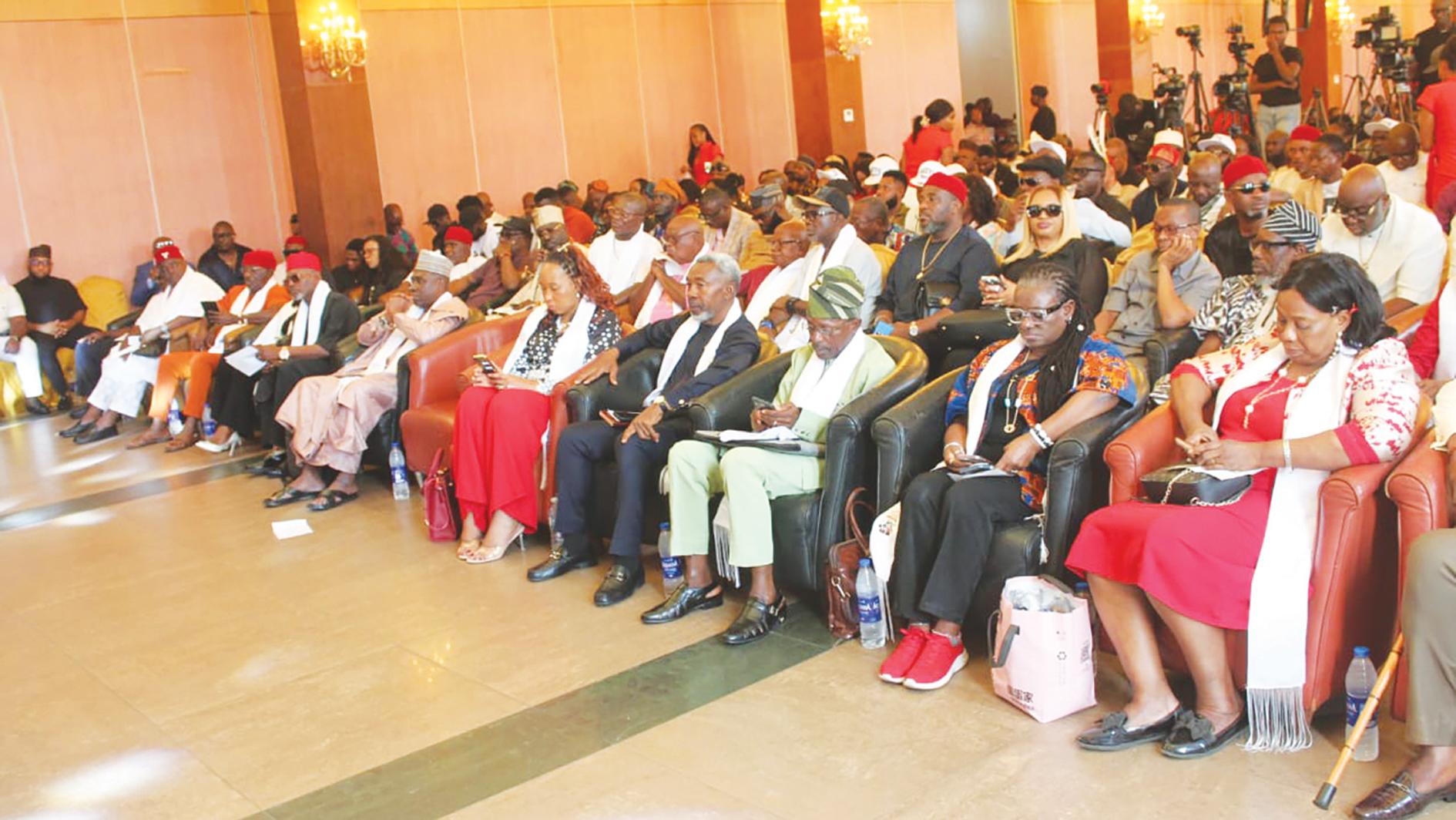
Ahead of the 2027 general elections, President, Association of Communication Scholars & Professionals of Nigeria (ACSPN), Prof. Rotimi Olatunji, has identified responsible communication as essential for sustainable democracy.
Speaking at the 50th anniversary of the Radio, Television, Theatre and Arts Workers Union of Nigeria (RATTAWU) in Lagos recently, he said credible elections are vital to the nation’s democracy because they deepen public trust, reduce electoral violence and ensure that leaders gain power through popular support rather than manipulation.
To the don, when elections are transparent and fairly administered, citizens are more likely to believe that their votes matter, which encourages participation and helps institutions remain accountable.
He, however, observed lessons of the nation’s electoral past is that democracy is not only defended at the polling unit, but also defended in newsrooms, broadcast screens, social media feeds and in the everyday habits of citizens.
Themed, ‘Electoral integrity in an AI era: The role of responsible media and culture in safeguarding democracy in Nigeria,’ Olatunji argued that if the media becomes ethical, culturally grounded, and technologically disciplined, AI can strengthen democracy instead of weakening it.
Olatunji, a Prof. of Public Relations & Advertising, Faculty of Communication and Media Studies Lagos State University, noted if the media is not ethically grounded, 2027 could become the first election where battle for truth is as important as the battle for votes.

To him, “the media has played a dual role in Nigerian elections: they have informed citizens, amplified debates, and supported accountability, but have also sometimes intensified division, spread unverified claims, or surrendered independence to political pressure.
“The Nigerian media occupy a constitutionally recognised position as watchdogs of democracy. Their electoral responsibilities include: voter education; agenda setting; issue framing; investigative reporting; election monitoring; fact-checking; and conflict-sensitive journalism. Nevertheless, serious shortcomings remain: sensationalism; partisan reporting; ownership influence; inadequate verification; and ethnic bias. Others are growing incidences of paid political content disguised as news; weak fact-checking capacity; and excessive dependence on politicians as news sources,” he noted.
Concerning digital technologies, he stated these tools have become increasingly important in electoral process because they could improve voter on, speed up result transmission, reduce human interference, and make electoral procedures more transparent.
In Nigeria, however, the don noted technology is not a complete solution on its own; even where digital tools are used, disputes, vote buying, and low voter turnout can still weaken democratic outcomes.
To him, “this means that technology must work alongside a strong legal framework, an independent electoral body, respect for the rule of law, and a vibrant media.”
Saying the nation belongs to everyone, he suggested media agenda setting, social responsibility and development theories should guide activities in the coverage of the 2027 general elections in the country.
Speaking further, he urged media houses to work with fact-checking organisations, technology platforms, election observers, and regulatory bodies to flag suspicious content quickly and prevent viral spread.
The don also stressed need for media organisations to build internal AI-verification protocols, which include special election desk, trained fact-checkers, digital forensic tools, mandatory second-level editorial review, and a correction policy for false or misleading election content.
He further advised, “media professionals in should prepare for 2027 bearing in mind their ascribed Constitutional roles, their strategic role in national development and the need to fulfil their ethical and social responsibility roles in the society. Accordingly, responsible use of AI in the 2027 election is a must.”
Olatunji argued, “culture matters because elections are not only legal contests; they are also moral contests shaped by norms of truthfulness, restraint, respect, and civic duty. In a society where rumor can travel faster than evidence, media ethics must be reinforced by a wider civic culture that rewards verification and punishes manipulation. This means the media, academia, schools, religious groups, professional bodies, community leaders, and youth networks should treat misinformation as a civic threat, not just a media problem.”

