

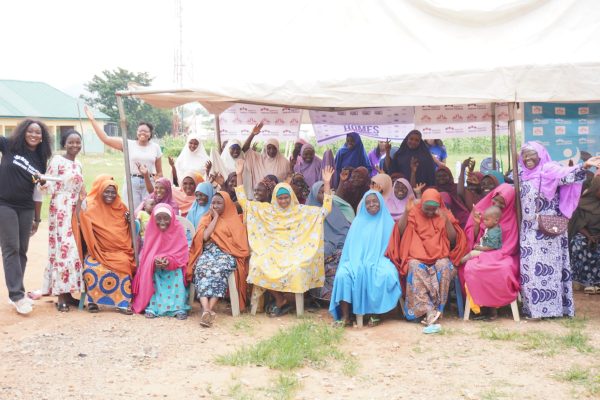
To break the barriers that often keep girls out of school, to inspire and motivate them to complete their education and become more, despite the odds against them, Beyond The Classroom Foundation, through its Safer Homes Project in Karomajigi brought together 68 parents from both IDP camp and host community to address this concern.
Held recently at LEA Primary School in Abuja, the project is part of the Foundation’s Safer Girls Framework, built around four key spaces: Safer Homes, Safer Classrooms, Safer Communities, and Safer Girls. It is not just a concept. It is a strategy to make sure girls are protected and supported in every environment they find themselves in.
According to the Founder and Executive Director of Beyond the Classroom Foundation, Raquel Kasham Daniel, “we often talk about empowering girls, giving them access to education, protecting their rights, and helping them dream big. But here’s the truth: none of that sticks if their homes are not safe.
“The home is where everything begins. It’s where children first learn who they are, what they can become, and what’s expected of them. It’s no surprise that when a child misbehaves, someone says, “Remember whose child you are.” That one sentence captures it all. The values of a home speak louder than anything else.
“After over a decade of working across several states in Nigeria, running programmes on child protection, girls’ rights, and sexual and reproductive health for adolescent girls, Beyond the Classroom Foundation noticed a consistent gap. Parents were rarely included in the conversation. While girls were being trained, equipped, and supported, the very people raising them were often left out.”
This forms a core part of the Beyond Her Odds Initiative. While speaking to the parents which was entirely conversed in Hausa language, Daniel said, “It’s not enough to empower the girls alone. If their homes aren’t informed, if their parents don’t understand the risks and realities they face, we’re only doing half the work. Change has to start with the people closest to them.”

International Development Professional, Aisha Waziri, spoke on the importance of education, urging parents to remain committed to their daughters’ schooling no matter the challenges. “When you educate a girl, you’re investing in your own future. She will return that value to the family, to the community, and beyond,” she said.
Another development Practitioner, Sainaan Dati reminded parents of the importance of being involved in programmes like this. She emphasised that participation gives them a voice and a seat at the table. “You don’t just benefit from what NGOs bring. You shape it. When you show up and speak, you help design solutions that work for your community,” she said.
During the conversations parents shared their struggles, from financial hardship to harmful traditions, and gave honest feedback about what they need. Many expressed how much they appreciated being seen as partners, not just bystanders.
