

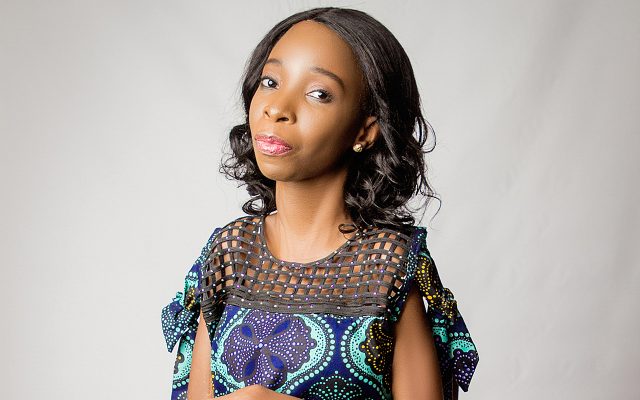
Aaron Fikayomi is a writer, author, and disability advocate whose journey began by writing letters to her late father as a child. Despite dropping out of school due to health and accessibility challenges, she found her voice through storytelling on Facebook in 2015. Today, she is the author of several impactful books, including Invisible Seeds and Crushed, and works as a book publishing consultant. Her writing focuses on healing, identity, and empowerment, especially for young people and persons living with disabilities. Using her lived experience with heterotopic ossification, she challenges stereotypes, promotes inclusion, and inspires others to rise beyond limitations. She is building a global impact, one story at a time. She shares her story in this interview.
Finding Purpose Through Writing
As a child, I found comfort writing letters to my late father. It was simply an emotional outlet, but little did I know it would become the foundation of my future. My formal education ended at the secondary school level due to health issues and a lack of accessible environments, and I believed for a long time that nothing worthwhile could come out of my life. That changed when a virtual friend encouraged me to share my thoughts on Facebook. I was hesitant at first, but I began writing and posting regularly in 2015. Over time, I connected with others who gave me opportunities to write for blogs and websites. One such opportunity in 2017 was the first time I earned from writing, and it opened my eyes to the possibility that my words could carry value. I kept pushing. I took online classes, paid for writing courses, and committed to learning everything I could. By 2017/2018, I had self-published my first book. Today, I’m a published author, book project consultant, and book publisher , still evolving and growing.
Writing as a Tool for Healing and Empowerment
My writing draws from my own pain, healing, and transformation. I started writing to understand myself, but it became clear that my voice could also help others make sense of their wounds. I often write about breaking free from limiting beliefs, especially those formed in childhood. I want young people to see that they are not defined by their past, environment, or physical condition. Social media is one of the platforms I use to amplify these messages, tackling toxic mindsets and encouraging personal growth. Another key theme I address is disability awareness. Many people don’t realize how harmful their words or attitudes can be toward those living with disabilities. Through storytelling, I hope to change that. I believe in using my experiences to speak life into others, especially the youth, helping them discover their worth and potential.
When Words Make a Difference

I’ve received many heartfelt messages over the years, but one stands out. A reader of my first book, Invisible Seeds, told me that if she or her parents had access to those words earlier, her life might have turned out differently. That moment shifted something in me. I understood then that writing was more than a passion, it was a responsibility. The same thing happened with Crushed, another one of my books. Readers told me how it helped them release emotional baggage and choose to live again. One filmmaker even approached me about adapting it into a movie. Stories like these remind me that my words can touch people in deeply personal ways. Even a simple video I made about how people often say “I’m grateful for my life” in response to seeing someone with disabilities had a surprising impact. It revealed how widespread ignorance still is and why raising awareness matters.
Balancing Creativity and Purpose
Creativity and advocacy are not in conflict for me, they work together. My stories are drawn from real-life experiences, and that gives them both authenticity and purpose. I don’t just write to fill space; I want my words to bring healing and clarity. Before I post, I often ask myself: “Will this help someone feel seen? Will it inspire hope?” That mindset keeps my writing honest, vulnerable, and grounded. I’m not trying to lecture anyone; I write like I’m having a conversation, sharing from the heart. To maintain this balance, I also invest in my own emotional health through prayer, fellowship, and reflection. I know I can’t pour from an empty cup. My mission remains the same: to use creativity to heal, inspire, and challenge perspectives.
Imagining a More Inclusive Society
Accessibility is still a huge challenge in many parts of the world. I had to drop out of school in JSS3 because my environment wasn’t accommodating. I was carried up and down stairs like a baby every day until it became unbearable. Later, I couldn’t even go out because there were no taxis, only motorcycles I couldn’t ride. People often ask why I didn’t just go to a more accessible school. But where I live, ramps and proper facilities are rare, and disabilities are misunderstood. Many see it as a curse or even assume we’re pretending. It’s heartbreaking. I dream of a world where schools are built with inclusion in mind, where transportation is accessible, and where organizations, including places of worship, don’t treat ramps as luxury items. Above all, I want people to see us as human first, before our disability.
Challenges Along the Advocacy Journey
So far, I have faced fewer physical challenges in advocacy because most of my work is virtual. But that doesn’t mean it’s easy. Internet bullying, cruel comments, and skepticism about disability are constant obstacles. People often think we’re faking or exaggerating. Rather than arguing, I focus on those who are willing to learn. Sharing stories, creating awareness, and showing up consistently even from my room is how I have continued to advocate. I hope that one day my work can extend beyond the digital space to create real-world change.
The Power of Storytelling in Changing Minds
Storytelling is a powerful tool for changing how society views disability and youth development. Many people still hold toxic beliefs, including the idea that people with disabilities are burdens or better off dead. These mindsets are dangerous and dehumanizing. That’s why it’s so important to tell the raw, unfiltered truth. People need to see the strength it takes to live with a disability and the dreams that still burn despite hardship. Until then, harmful stereotypes will persist. Stories foster empathy and help younger generations embrace differences rather than mock them. That’s why I encourage everyone, especially those with disabilities to share their story. Even if only one heart is changed, that ripple can grow into real societal transformation.
Advice to Young Writers: Start Where You Are
Start unsure. Start with wrong punctuation. Just start. Don’t wait for perfection, it never comes. Write as you, not as someone trying to mimic Chimamanda or Wole Soyinka. Your voice matters, too. Keep growing. Take courses, watch tutorials, read widely, and listen to feedback. In a world where AI can mimic writing, your tone, truth, and story are still unmatched. Write authentically, because that’s what truly connects. Growth takes time, practice, and the courage to keep going when you feel uncertain.
Staying Grounded Through the Struggles
Living with heterotopic ossification is not easy. The physical discomfort and environmental limitations sometimes make me feel like giving up. But somehow, I always find the strength to start again, because I believe there are destinies tied to my rising. God constantly reminds me that this mission is bigger than me. Even if I bless just one person, that’s enough. What keeps me grounded isn’t doing everything at once, it’s showing up again and again, trusting that the little I do matters to someone.
Long-Term Goals: Rising Beyond Limits
Right now, I take each day as it comes. But my dream is to leave my small town and relocate, possibly to Abuja or Ibadan for better access to mobility, opportunities, and personal development. My long-term goal is to be known as the woman who defied all odds through writing and advocacy, building a platform like a Nigerian version of Amazon Kindle to support both local and global publishing. I aim to expand my outreach to underprivileged students at risk of dropping out, access better healthcare to better understand my condition, and create visible, inclusive spaces where people with disabilities are heard and celebrated. Above all, I want to help heal the world, one story, one speech, one book at a time.
Why Women of Rubies Matters
Women of Rubies, founded by Esther Ijewere, is more than a platform, it’s a movement. It gives visibility to real women with real stories and offers spaces for healing, growth, and connection. It doesn’t just share stories; it builds confidence, opens doors through events and workshops, and nurtures a sisterhood of purpose. It reminds us that we are seen, we are heard, and we matter.
