

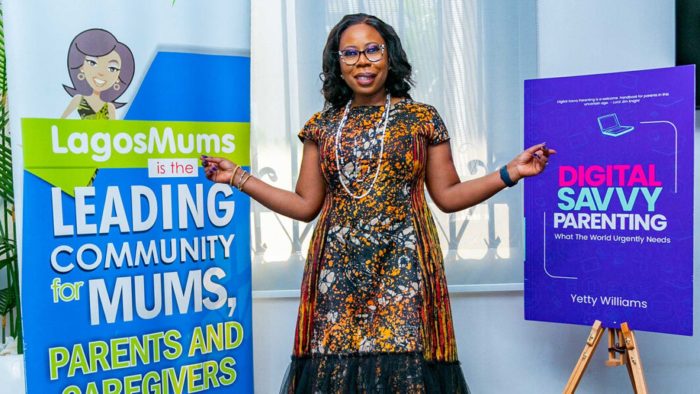
By Yetty Williams
From the haunting radicalization depicted in the Netflix series Adolescence to the chilling insights of the recent documentary Inside the Manosphere, a global alarm is sounding. Closer to home, the disturbing reports of harassment at the Ozoro festival in Delta State serve as a grim reminder: gender relations in the digital age are reaching a breaking point.
As parents and stakeholders in Nigeria, we can no longer afford to view “the manosphere” as a niche internet subculture. It has migrated from the dark corners of Reddit into the bedrooms of our sons and onto the very streets of our communities. At LagosMums, our mission is to raise digitally savvy and emotionally resilient children; to achieve this, we must deconstruct the digital pipelines currently shaping our boys’ views on masculinity, power, and the Nigerian woman.
To begin, we must define the manosphere. It is a loose, yet potent, collection of websites, podcasts, and influencers promoting “traditional” masculinity through a lens of extreme misogyny and dominance. It operates through several distinct yet overlapping factions. These include Incels (Involuntary Celibates), who harbor deep-seated resentment toward women by blaming them for perceived social or romantic failures, and the MGTOW (Men Going Their Own Way) movement, which advocates for men to separate themselves from a society they believe is inherently biased against them. Furthermore, the “Red Pillers” drawing their name from The Matrix claim to have awakened to a “truth” where society is rigged against men and women are viewed as inherently manipulative.
The borderless algorithm connecting Silicon Valley to Delta State is a stark reality. We often mistake these trends for “Western problems”; however, the digital world ignores national borders while simultaneously exploiting them. This “algorithmic divide” ensures that platforms serve different content based on geography. A teenager in Lagos is served a different digital diet than his cousin in Toronto; while the Canadian cousin might be fed content centered on Western “culture wars,” the Nigerian boy is frequently targeted by “hustle culture” influencers who blend financial ambition with toxic gender roles.
Consequently, the algorithm learns what “Nigerian men” are clicking on and creates a feedback loop that reinforces local prejudices under the guise of “motivation.”

The real-world fallout of this digital diet cannot be ignored. The recent viral videos from the Ozoro festival, showing the public harassment of women, are not isolated incidents of “youthful exuberance.” Rather, they are the fruit of seeds planted in the minds of men. Whether framed as “tradition” or “culture,” these actions stem from the manosphere’s core tenet: that a woman’s dignity is secondary to male dominance.
Most boys do not set out to find hate online; usually, they go looking for a sense of belonging. The manosphere fills this void by offering an illusion of certainty in a rapidly changing social landscape, providing a rigid “manual” on how to be a man, a sense of brotherhood for the isolated, and the “hook” of wealth and fitness to attract young men before slowly introducing radicalized views.
As parents, recognizing the warning signs is critical. Using my Digital Hierarchy of Needs™ framework, parents can evaluate if their children’s needs for connection are being met offline. Beyond this, we must stay alert to a changing vocabulary specifically the sudden use of terms like “alpha,” “beta,” “femoid,” or “red-pilled.” Behavioral shifts are equally telling, such as newfound hostility toward mothers, sisters, or female authority figures, or the emergence of digital echo chambers where sons spend hours consuming podcasts that equate respect with submission.
Parenting in the age of toxicity requires intentionality. As a result we must move from passive observation to active engagement. This starts with active education; do not wait for the algorithm to teach your son, but instead discuss the content they see by asking what the underlying message of a particular influencer might be. We must also prioritize emotional intelligence to counter the lie that “real men don’t show emotion,” fostering instead a culture of empathy at home. It is vital to sit with your child, look at their “For You” page, and explain how clicking one video on fitness can lead to a hundred videos of toxic messaging.
Finally, we must reclaim African values that center on community and mutual respect, reminding our sons that true strength lies in protecting the dignity of others rather than stripping it away.
Parents today are raising the first generation of “digital natives” at a time when “analogue” values are being challenged by viral toxicity; we must help them develop the discernment to tell a mentor from a manipulator.
Yetty Williams is the founder of LagosMums and the author of “Digital Savvy Parenting: What the World Urgently Needs.” She is a certified digital parenting coach trained in Cyberpsychology and helps families navigate the complexities of the digital age.
