

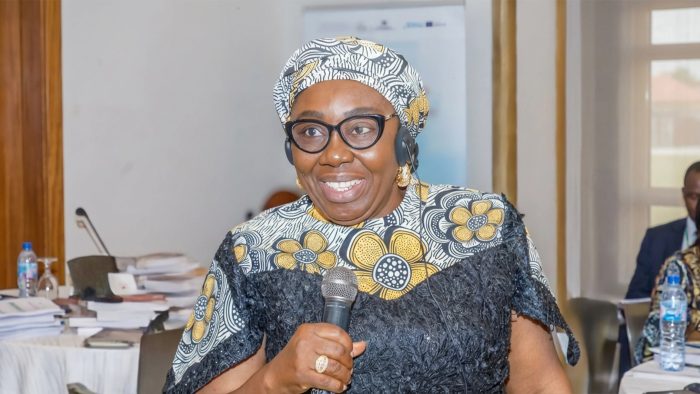
The Women in Politics Forum (WiPF) has stressed the need for the Electoral Act to mandate immediate electronic transmission of results after voting processes. It’s National President Barr. Ebere Ifendu in this interview, she argued that transparent collation will curb manipulation, reduce violence, and give women, who lack equal political resources a fairer chance to win elections. Excepts.
What is the position of the Women in Politics Forum (WiPF) on the trending issue around electoral reform?
As an organisation, we strongly believe in electoral integrity. Integrity does not begin and end on election day, it starts with the entire process leading to elections, which is why the Electoral Act is critical.We have seen gaps in the 2022 Electoral Act that prompted calls for amendments, even exposed through court judgments. Civil society groups, legislators, and citizens who desire credible elections are therefore advocating instant electronic transmission of results.For us, implementation should not be difficult. The real challenge often occurs during collation. If the law clearly mandates instant transmission, INEC will be compelled to comply. We do not want discretionary powerswe want a clear legal provision guaranteeing immediate transmission.Countries like Ghana are strengthening their democratic processes, and Nigeria must also correct its system to build trust in elections.
Some critics argue that electronic systems can still be manipulated. What is your response?
We should at least try it. We already rely on electronic platforms for banking and other services, and they work. We cannot reject a system based purely on speculation.If weaknesses emerge, they can be addressed. Right now, the existing process has not delivered the credibility Nigerians expect. Instant transmission will also reduce litigation because results will be visible in real time.When citizens believe their votes count, voter apathy will decline. Electoral outcomes should be determined by voters, not by the courts.
What is your expectations of the National Assembly’s emergency sitting, what would be WiPF’s message to lawmakers?

Our call is simple: respect the wishes of Nigerians. Democracy is about the electorate. If citizens are asking for instant transmission, lawmakers should include that provision in the Electoral Act.Trust in the process will increase participation.
Many protesters advocating these reforms are women. Is this issue affecting women in politics differently?
Yes, it affects women significantly. Women generally do not have the same financial or political resources as men to navigate violent or irregular electoral processes. Instant transmission will reduce ballot stuffing, thuggery, and manipulation. Women who genuinely win at polling units or local governments will no longer be rigged out. This reform will give women a fair opportunity to compete.
Beyond electoral reforms, what other major challenges continue to limit women’s political participation?
Internal party democracy remains a major obstacle, particularly candidate nomination processes. Political parties often fail to provide equal opportunities for women despite their active involvement.Cultural and religious barriers also persist, but strong legislation can help override these limitations.Another critical step is passage of the Special Seats Bill. Once enacted, political parties will actively seek qualified women candidates. Sierra Leone provides an example where legal provisions significantly increased women’s representation.
How would you assess the implementation of INEC’s Gender Policy?
INEC’s Gender Policy is yielding results internally, with women now serving as commissioners, directors, and electoral officers.However, political parties must also comply with their own constitutions and manifestos submitted during registration. Where they fail, sanctions should apply.
Has INEC sanctioned political parties for breaches?
There have been instances of party deregistration for violations. We are advocating that breaches related to gender inclusion should also attract sanctions.
Are women prepared to contest in the 2027 elections and given the current legal framework, are you confident INEC can conduct credible elections?
Yes, many women are already seeking training and support. We are guiding them through nomination processes, documentation, and compliance requirements. However, internal party instability discourages some from publicly declaring their ambitions.If the Electoral Act is amended to mandate instant transmission, INEC will be compelled to comply. Concerns about network coverage are exaggerated, results can be transmitted once connectivity is available. We must move away from excuses that enable manipulation.
WiPF previously launched a women’s political registry. How functional is it today?
The registry remains active. Women who participated in the 2023 elections are listed, and new aspirants continue to register, although ongoing political realignments have created some caution.
Given the realities of Nigerian politics, shouldn’t women also reposition strategicallyeven if it means changing parties just like men do?
Ultimately, it is the people who vote. Party switching does not guarantee electoral success. If a candidate lacks popularity, voters will not support them.Politics should focus on service delivery, improving education, healthcare, reducing maternal mortality, and ensuring better living conditions. Women must align with platforms that enable effective service.Any decision to change parties should be based on clear principles, not convenience. Across all parties, there are credible and ineffective politicians.The major challenge remains the high cost of politics, which excludes many capable individuals, both women and men, who lack financial resources.
The Special Seats Bill has been advocated for a long time. Are the “Special Seats” and “Reserved Seats” proposals the same?
Yes, they refer to the same initiative, legislative seats specifically reserved for women. Initially, the proposal included 37 additional seats across the Senate, House of Representatives, and State Assemblies. Current discussions include adjustments, but all advocacy groups remain aligned on the objective: expanding legislative opportunities for women.Some critics say reserving seats for women is discriminatory.It is not discriminatory. It is affirmative action aimed at correcting structural imbalance.Such measures are temporary and will be reviewed after several electoral cycles. The goal is inclusion, especially for young women, older women, and women with disabilities.
Are women planning further demonstrations at the National Assembly?
We are organising advocacy rallies, not confrontation. We have engaged legislators constructively and received support from both chambers. The goal is to reinforce expectations and solidarity.
Why does advocacy around the Special Seats Bill appear louder than for other pending bills?
Women understand the gaps because we experience them directly. The advocacy is broad-based, market women, professionals, and civil society groups support it because it represents inclusive governance.
How is the general public responding to increased women’s representation? Do you have male allies?
Yes. Many men openly support women’s political participation through our radio engagements.Global evidence, including leadership outcomes during COVID-19, reinforces the value women bring to governance.
Would you describe the 10th National Assembly as supportive of women’s inclusion?
So far, the Assembly has been receptive. Engagement has improved compared to previous sessions, and legislators are listening and considering proposals.
If you were to advise the National Assembly today, what three urgent reforms should they prioritise?
Passage of the Special Seats Bill.Amendment of the Electoral Act to strengthen transparency, including electronic transmission of results.Constitutional recognition of traditional institutions that play key grassroots roles.Additionally, increased budgetary investment in education, healthcare, agriculture, and women-focused ministries is essential.
