

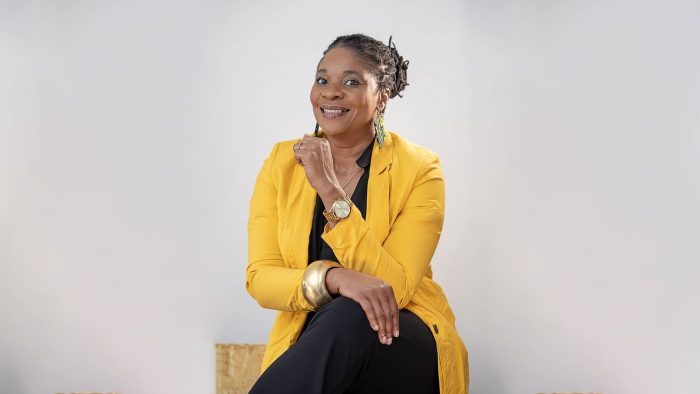
For Eloho Efemuai, International Women’s Day is more than a date on the calendar. It is a reminder of courage, persistence and the quiet revolutions led by women who refused to accept the limits placed on them. A personal brand strategist, transformation coach, radio broadcaster, Founder, Adelphe Connect and advocate for women., Efemuai has built her life’s work around helping women and girls recognise their voice and step fully into it.
As the world reflects on gender equality and inclusion, she speaks with conviction about why the day still matters. “Progress for women did not happen by accident. It came through courage, persistence, and the willingness of women to challenge the boundaries set before them.”
For her, International Women’s Day is both a celebration and a checkpoint. It honours the women who opened doors in education, leadership, media and business. But it also reminds society that the work is far from finished.
Across many parts of the world, women continue to face barriers to safety, economic opportunity, education and leadership. Efemuai believes recognition plays a powerful role in shifting those realities. When women see other leading organisations, building platforms, shaping communities and balancing multiple responsibilities, it expands what feels possible.
Visibility, she explains, reshapes imagination. One woman’s rise can quietly empower countless others to rise too.
Yet celebration alone is not enough. Efemuai is clear-eyed about the obstacles that continue to hinder women from reaching their full potential. Some are structural: limited access to funding, underrepresentation in leadership roles and unequal access to decision-making spaces.

Caregiving responsibilities still disproportionately fall on women, often limiting their time and professional flexibility.
But other barriers are less visible and sometimes more difficult to confront. Many women, she notes, have been conditioned to question their voice, minimise their ideas or wait for permission before stepping forward. Over time, hesitation becomes internalised. Representation also plays a critical role. When women do not see themselves reflected in leadership or media, it can subtly shape beliefs about where they belong.
Her work as a personal brand strategist is rooted in dismantling those internal barriers. When a woman understands her identity, values and strengths, she begins to show up differently. Confidence grows from clarity.
Efemuai’s own journey has not been without challenges. As a woman, and often the only woman or the only Black woman in certain professional spaces, she has experienced moments where her voice was not immediately acknowledged. There were times she felt pressure to soften aspects of her personality to fit expectations.
What shifted her perspective was clarity of purpose. When she became certain of her mission to create platforms that amplify voices, she stopped waiting for validation. Instead, she focused on building. Establishing a radio station from the ground up became both a professional milestone and a statement: if doors are closed, build new ones.
“Sometimes the most powerful response to exclusion is to create spaces where others are heard,” she reflects.
Technology, in her view, has become one of the greatest equalisers of this generation. Digital platforms have dismantled many traditional gatekeepers. Today, women can launch businesses, host podcasts, build communities and reach global audiences without relying solely on established institutions.
Through social media and digital storytelling, women are reclaiming control of their narratives. They can define themselves rather than be defined by others. However, Efemuai cautions that access alone is not enough. Digital literacy, confidence and infrastructure are essential if technology is to truly advance gender equality.
As a broadcaster, she encourages women interested in media to first own their voice. Broadcasting, she says, is not merely about technical skill but about authenticity and presence. Audiences connect with honesty. At the same time, she emphasises the importance of mastering the craft, storytelling, interviewing, production and audience engagement. Skill builds confidence.
She also advises aspiring broadcasters not to wait for perfect conditions. Many successful platforms were created by individuals who began with limited resources but strong conviction. Above all, she stresses collaboration. When women mentor and support each other, industries become stronger and more inclusive.
On the corporate front, Efemuai believes meaningful change requires structural commitment. Statements about diversity must translate into transparent recruitment processes, equitable promotion pathways and leadership teams that reflect the communities they serve. Mentorship and sponsorship programmes can help bridge gaps in access to influential networks.
Inclusive workplace cultures also acknowledge real-life responsibilities, including caregiving and health transitions. When organisations design policies that reflect lived realities, women are better positioned to contribute fully.
Encouraging more women to pursue leadership begins early. Girls must grow up seeing women leading in business, politics, science, media and community life. Mentorship remains powerful, particularly when seasoned leaders share honest accounts of both success and struggle. Leadership, she insists, is a process, not a flawless state achieved overnight.
Ultimately, her message to women and girls around the world is simple yet profound: your voice matters. There will be moments of uncertainty. Growth often feels uncomfortable. But waiting for perfect readiness only delays impact.
“Do not shrink who you are in order to succeed. The world needs women who lead with courage, integrity and clarity.”
