

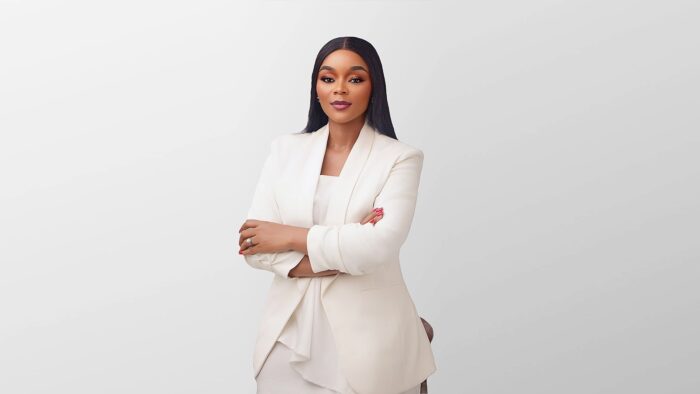
Gift Amadi is a talent manager, public relations strategist, and founder of Rima Media, an agency specialising in talent representation, brand management, and strategic communications. Since 2019, she has shaped the public image and commercial influence of some of Nigeria’s prominent entertainment personalities, including Mercy Eke, Toyin Lawani, Faith Morey, Beauty Tukura, and Ruth Kadiri, among others. A Mass Communication graduate from Rivers State University with a Diploma in Public Relations from the London School of Public Relations, Amadi is also a member of the Nigerian Institute of Public Relations (NIPR) and producer of Mums Next Door, a motherhood-focused talk show. Passionate about empowering women in the creative industry, she advocates building sustainable businesses beyond fame and social media visibility. In this interview, she discusses celebrity management, the business of influence, navigating controversies, and why women must leverage their visibility to build lasting wealth.
You have built a career managing some of Nigeria’s most recognisable entertainment personalities. What inspired your journey into public relations and talent management?
I’ve always known that I wanted to work in entertainment and media in one capacity or another, although I didn’t know how that journey would begin. But my interest in talent management started in 2018 after I had the opportunity to work briefly with Duncan Mighty. I attended a few shows with him, and being exposed to the entertainment industry from that perspective opened my eyes to the business. I became fascinated by the coordination, strategy, and management that go into building and sustaining an entertainer’s career, and that experience sparked my interest in talent management.
In 2019, I took another significant step when I managed Mercy Eke’s entire public relations and social media, overseeing her overall communications and public image for BBNaija. That experience marked the beginning of my journey into PR and gave me the opportunity to understand the industry more deeply. Looking back, those two experiences were instrumental in shaping the career I have built today.
You founded Rima Media in 2019. What gap did you identify in the entertainment industry, and how have you positioned your agency to address it?
I realised that a lot of entertainers don’t know what to do with their fame or how to manage it. I also realised that having talent or being popular was not enough; there was a need for deliberate brand positioning, consistent visibility, the right relationships and proper career management to help entertainers build sustainable brands beyond the attention that comes with fame.

That was the vision behind Rima Media. I wanted to build an agency that went beyond simply getting clients featured on blogs or securing media visibility. I wanted us to be involved in shaping public perception, building personal brands, creating strategic partnerships, managing media relations, and identifying opportunities that translate into real commercial value for our clients. Our approach is to treat every client as a brand, understand their individual strengths, and develop strategies that align with their long-term goals. For me, it has always been about building value, not just visibility.
You have worked with personalities such as Mercy Eke, Toyin Lawani, Faith Morey and Beauty Tukura. What has managing high-profile talents taught you about fame, influence and the business of entertainment?
Managing high-profile personalities has taught me that fame and influence are two very different things, and that visibility alone does not necessarily translate into value. Fame may get you attention, but influence is about what you can do with that attention, the conversations you can drive, the decisions you can shape, and the value you can create. It has also taught me that behind every successful entertainer is a business that requires strategy, discipline, and the right people. Talent is important, but so are brand positioning, commercial relationships, and the ability to remain relevant in an industry that is constantly evolving and saturated. One of the biggest lessons for me is that every personality is different. You cannot apply the same strategy to everyone. Each talent has a unique personality, audience, and strengths, so as a manager, you have to understand the individual before you can effectively build the brand.
Beyond social media followers and public attention, what really makes a celebrity brand valuable and commercially successful?
I think what truly makes a celebrity brand valuable is credibility, influence, consistency, and the ability to connect with an audience in a way that inspires trust. Followers and visibility are great, but brands are increasingly interested in what a personality represents, the kind of audience they attract, how that audience responds to them, and whether they can influence purchasing decisions.
A celebrity or influencer must understand their strengths and be intentional about the brands and opportunities they associate with. Not every endorsement is a good endorsement, and not every opportunity adds value to a personal brand. Sometimes, knowing what not to associate with is just as important as knowing what to accept. I also believe longevity is a major factor. A celebrity who can remain relevant, evolve with the industry and build a relationship with their audience beyond trends has a much stronger commercial foundation. Ultimately, a valuable celebrity brand is one that can command trust, attract the right partnerships and consistently deliver value to brands. It is not just about how many people know you, but how much your name means to them and what that translates into commercially.
In an industry where public perception can change overnight, how do you manage a client’s reputation during controversies or public criticism?
I believe reputation management begins long before a controversy happens. As a PR manager, you have to understand your client’s brand, anticipate possible risks and have a clear communication strategy in place. However, when controversies arise, the first thing I prioritise is understanding the situation before reacting. In PR, responding emotionally or rushing to put out a statement can sometimes do more damage than the controversy itself. I start by assessing the facts, understanding the nature of the criticism, identifying the key concerns and determining whether a response is necessary. Not every criticism deserves a public response, and sometimes silence, when properly managed, is a strategy in itself. Where a response is necessary, it is important to be deliberate about the messaging, timing and tone. My job is not to defend everything a client does or try to control public opinion. It is to provide sound counsel, protect the integrity of their brand and help them navigate difficult moments in a way that allows them to rebuild trust and move forward.
Many young women aspire to become influencers and celebrities. What do you think they misunderstand about fame and the business behind it?
A lot of young women see the glamorous side of entertainment: the designer clothes, vacations, brand deals, events and public attention, but they don’t always see the work, discipline, sacrifices and business decisions that happen behind the scenes. They assume followers automatically translate to income, when brands are really paying for trust, relevance, and an engaged audience. I also think many people underestimate how much scrutiny comes with being a public figure. Your personal life can become public conversation, your decisions can be constantly analysed, and you have to learn how to navigate both praise and criticism. My advice to young women is to be intentional about the brands they are building. Build the skill and the structure first, and let the visibility follow.
How can female entertainers and influencers move beyond endorsements and brand deals to build sustainable businesses and long-term wealth?
Endorsements pay for your attention today, but they don’t build anything you own. To create lasting wealth, female entertainers and influencers need to convert their audience into equity. First, own a product or business. Whether it’s beauty, fashion, or a media company, a brand you own earns margin and keeps earning when you step away from the camera. Second, build structure: register a company, protect intellectual property, use proper contracts, and get professional financial and legal advice, so the talent becomes an enterprise. Third, negotiate for equity, licensing, or revenue share in partnerships instead of flat fees. Long-term ambassador deals with ownership stakes beat one-off posts. Underneath all of it is audience trust. If your community believes in you, you can sell them something. Fame has a shelf life, but a well-structured business can outlive the fame. I would love to see more female entertainers build companies, create employment, become investors and establish legacies that extend beyond their careers in the spotlight.
As a woman running a PR and talent management agency, what challenges have you encountered in establishing credibility and negotiating within the entertainment industry?
I think one of the biggest challenges has been having to constantly establish that I understand the business and that I deserve a seat at the table. Another challenge is that people sometimes mistake the glamour of the entertainment industry for a lack of structure or professionalism. But talent management and PR are serious businesses that require strategy, accountability, experience and a great deal of work behind the scenes. Over time, I have learnt that credibility is not something you demand; it is something you build through consistency, results, relationships and the quality of your work. I have also learnt not to be intimidated by rooms I have worked hard to earn my place in. Today, I approach business with a lot more confidence, knowing that I bring value to every table I sit at.
What are some of the biggest mistakes celebrities make when building their personal brands, and how can these mistakes affect their careers?
I think one of the biggest mistakes celebrities make is failing to understand that their personal brand is bigger than their popularity. Sometimes, people become so caught up in the attention, trends and validation that come with fame that they forget to be intentional about the image they are building and what they want to be known for in the long run. Another major mistake is inconsistency in brand identity. You cannot build a particular image today and communicate something completely different tomorrow without understanding how that affects public perception. Of course, celebrities are human beings and are allowed to evolve, but that evolution should be intentional. I also think associating with every available brand or accepting every endorsement opportunity can be damaging.
Not every deal is worth taking. Some partnerships can dilute a celebrity’s positioning, affect their credibility or create conflicts with other commercial opportunities. Finally, many celebrities underestimate the importance of having the right professional team. Your brand needs strategic direction, proper representation, and people who can give you honest advice, even when it is not what you want to hear.
The Nigerian entertainment industry continues to attract global attention. What opportunities exist for women working behind the scenes as managers, publicists and creative entrepreneurs?
For women in PR and talent management, there is an opportunity to become key decision-makers in the business of entertainment, not just people working behind the scenes. There is room to build agencies, manage internationally recognised talents, negotiate global partnerships, lead major productions and create platforms that connect African creatives to opportunities around the world. I also see huge opportunities in creative entrepreneurship. Women can build businesses around production, event management, talent representation, brand strategy, digital media and content creation. The industry is no longer limited to being in front of the camera; there is an entire business ecosystem behind every successful entertainer, production, and campaign. We also need more people supporting women, creating opportunities, sharing knowledge, and building networks that allow us to grow.
Talent management often involves difficult personalities, demanding schedules and competing interests. How do you establish professional boundaries while maintaining strong relationships with your clients?
I think the foundation of any successful talent management relationship is mutual respect, trust and a clear understanding of roles and expectations. I believe in establishing clear expectations from the beginning, particularly around communication, availability, commitments, decision-making, and the responsibilities of both parties. Being a manager doesn’t mean you have to be available every second of the day or agree with every decision a client makes. There has to be room for mutual respect and an understanding that the relationship is professional, even when it becomes personal. Another important thing is learning how to have difficult conversations. A good talent manager should be able to tell a client the truth, offer constructive criticism, and sometimes disagree with them without making it personal. I don’t believe in managing clients by simply telling them what they want to hear. I always tell my clients that if they are looking for a “yes” woman, then I’m the wrong person. Sometimes, the most valuable thing you can offer a client is an honest perspective, even when it is uncomfortable. I have learnt that strong professional relationships are not built by avoiding difficult conversations but by handling them with maturity, honesty and respect. You can be supportive, loyal and genuinely invested in a client’s success while still maintaining boundaries. In fact, I believe those boundaries are what make the relationship sustainable in the long run.
What advice would you give young women hoping to build successful careers in public relations, entertainment management and the creative industry?
My advice would be to first understand that the creative industry is a business, and you must approach it with that understanding. Passion is important, but passion alone will not sustain a career. You need to develop the skills, knowledge, and business acumen required to thrive in the industry. Also, be willing to start small and learn. Don’t be so focused on working with celebrities or securing big clients that you overlook the opportunities to gain experience, build relationships, and understand how the industry works. Every opportunity to learn, contribute, and demonstrate your value counts. I would also encourage young women to invest in themselves. Read, take courses, attend industry events, understand contracts, learn negotiation, and keep up with the changing media landscape. Another important thing is to protect your integrity and reputation. This is an industry built heavily on relationships, and how you treat people, honour commitments, and conduct business will determine the kind of opportunities that come your way. Don’t compromise your values just to gain access to certain rooms. Above all, don’t allow the glamour of the industry to distract you from building a solid career. Focus on becoming good at what you do, and let your work create the opportunities you desire.
