

Nigeria is a deeply patriarchal society, and the fight for women’s liberation is pertinent, now more than ever, in a culture that’s rapidly changing by way of interaction with imperialism, neo-colonialism, and globalisation.
[ad]
Earlier in the year, Twitch streamer and social media influencer Kai Cenat visited the country, where he met with other popular skit makers and artists, organised dates that bordered on sexist and ethnic tropes, and carried out acts of charity. The streamer has often drawn public criticism and the ire of feminist commentators online for the audience his content mostly court– members of the misogynistic manosphere. In one instance, he had a kid rapping about raping a woman on a live stream.
An X (formerly Twitter) male user who goes by the username @__the_z_ posted to a ‘The Boys’ X community: “I’m single, struggling, and don’t have one girl aside from my mom and sister checking up/texting…
“Not when I’m finally happy and wealthy, one mid mgbeke will now bounce in from nowhere and expect me to accept her cos ‘she’s just a girl.’
“I’m as celibate as a monk. Not cos I want to, but cos nobody fucks with a broke dude. I’m not chasing the bag to fuck bitches. My point is, when I get the bag and need me a lover, she has to be perfect…”
The tweet has gone on to garner 3,000+ likes, and it is clear, contrary to his follow-up statements, that his opinion was born out of a revenge mindset against potential romantic interests in the future. It is an incel narrative which sets up men as victims of women in the dating scene, and the reach of the post, including the ones defending his point, is proof of the creeping influence of the American alt-right manosphere community in Nigerian social media space.
There are numerous purported ‘red pill’ teachers and coaches, some Nigeria-based, on different social media platforms, claiming to cultivate ‘masculinity,’ but, instead, are grooming a hateful and violent mindset in men towards women.

It is against these enumerated backdrops that Naija Feminists Media finds its purpose. NFM is an emerging force in Nigeria’s media and social landscape, poised to effect revolutionary change on women’s issues. It does so through various advocacy means, from sparking discourses to spearheading women-centric policies. The organisation leverages social media and its tools, such as digital journalism, content creation and fact-check infographics to promote feminism. It also partners with key stakeholders and significant media bodies to cross-publish stories as they relate to areas in which women are underrepresented.
Founded in 2021, it began as an online community for feminists of radical leanings to connect before expanding into a formal organisation in 2024, hosting diverse feminist works from writing and research to events and protests. It is led by a dynamic women-only team of professionals and creatives, fostering not just a circumspect representation of women’s voices but their equitable employment in media and related fields.
[ad]
Simbiat Bakare, founder of Naija Feminists Media, shares: “NFM’s vision is to facilitate inclusion of women in the media and have it accurately feature them. At NFM, we want to aid women in demanding change for a better society and subsequently promote gender equality in Nigeria.”
Since launching a website three months ago, the organisation has amassed a readership base of 6,300+ audience, with its followership numbering up to 6,000+ across various social media channels. Its WhatsApp community is no less impactful. Close-knitted and engaging, it fosters one-on-one conversations and a safe space for women to share their stories and views without judgement, gain insights, network, and find help, if necessary.
One such instance was the story of Goodluck Bisong breaking into the home of and raping his female neighbour and classmate. It was first shared on NFM’s WhatsApp group, and within 24 hours of the organisation breaking the news, a sum of 3 million naira was raised for the victim amidst calls for justice.
Another fruition of the organisation, in partnership with DOHS Cares Foundation, a non-governmental organisation championing the cause of women and vulnerable people, was the coverage of the #CallItFemicide protest, recently held at the Lagos State House of Assembly, and seeking to pass into law a bill criminalising the killing of women.
Partnering with BONews Service, a news platform under the non-governmental organisation BO Foundation for Inclusive Media (BOFIM), NFM also spotlights the stories of women living with disabilities in Nigeria.
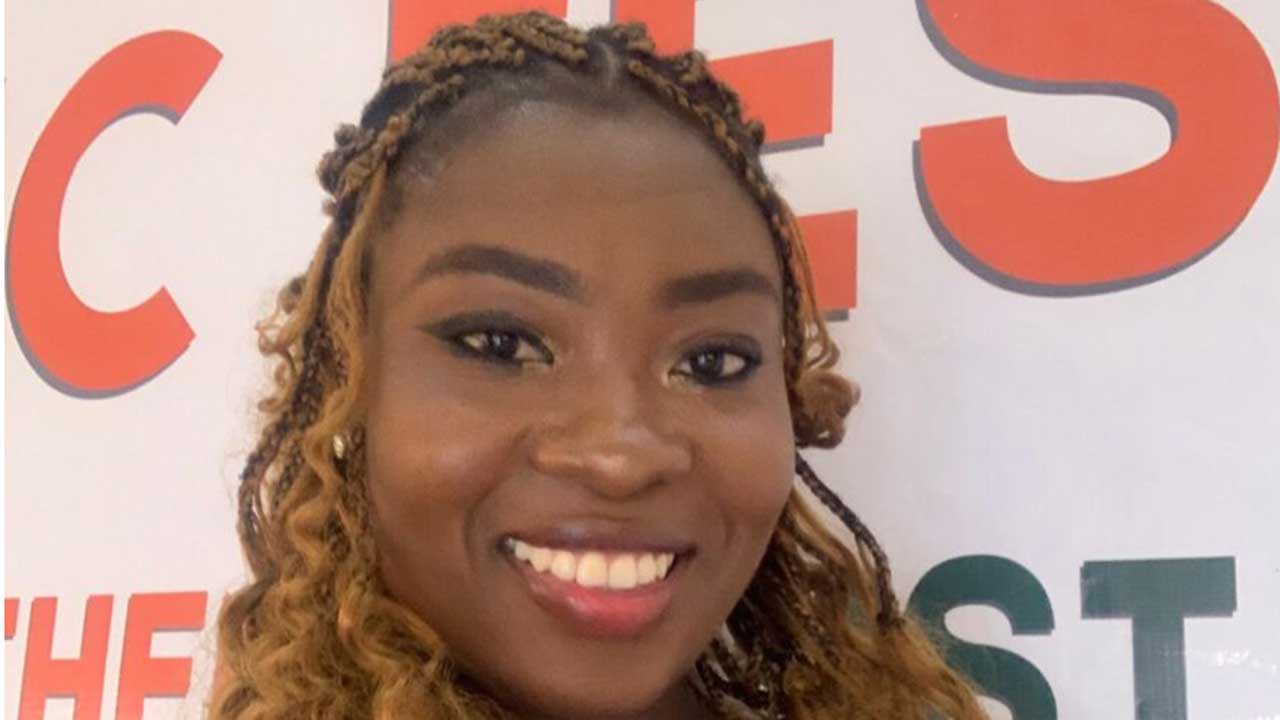
Nkechi Igwebuike, NFM’s Partnerships and Projects Officer, speaks on her work at the organisation: “The role has been very exciting. I feel fulfilled knowing that I am contributing in my own way to help NFM’s advocacy for women’s rights and gender equality,” She added, “The role is also teaching me things about myself and the operations of Non-Governmental Organisations, and I am happy to learn.”
Testimony Ishola, an intern with NFM, also expresses her delight at being a part of the organisation’s cause.
[ad]
“Working for NFM has honestly been a wholesome experience. I came to know of NFM at an opportune time—when there was nationwide outrage over the killing of Christiana, and I was very in my feelings about it. I wanted to contribute to feminism’s fight in my own little but significant way, and I’ve grown in my activism ever since. Through NFM’s foray into Nigerian mainstream media, I hope to see a change in the reportage of news about women and, of course, legislated changes for them.”
With A Dose of Feminism, a counter-cultural feminist show set for launching, amongst other feminist content such as documentaries, short films, interviews and panel sessions, Naija Feminists Media is poised for a root-upsetting shift in the moral fabric of Nigeria’s socio-cultural realities. At present, the organisation remains unfunded, and this poses a major barrier to the extent of its projects and communal reach.
In addition, archaic status quo beliefs are rife, holding sway over the minds of the majority of Nigerians. Structural issues like illiteracy, poverty, and religious and cultural fanaticism have far-reaching effects on the lives of ordinary people in towns and villages, and these will no doubt prove resistance to the message of feminism.
Achieving gender equality is by no means an overnight feat, and Naija Feminists Media’s commitment to a just, equitable and fair society for women in Nigeria is strengthened, however arduous, one story at a time.
[ad]
