

Tomorrow, March 1, ushers in women’s month, a time universally recognised to celebrate and honour women and their role in driving change. With this year’s theme, “Give to Gain”, Guardian Woman, powered by Federal Palace Hotel, kicks off its first-ever month-long women’s event. This means that throughout the month of March, events targeted at women will be hosted at the historic hospitality space located in the heart of Victoria Island, Lagos.
In this interview, women driving the hospitality space at Federal Palace hotel, Executive Director, Anita Athena Ibru and Chief of Staff, Oluyemisi Fajimolu, alongside Dr. Michale Matthew, a seasoned investment expert speak on positioning the hospitality industry as a key sector that drives change, as well as championing reciprocity.
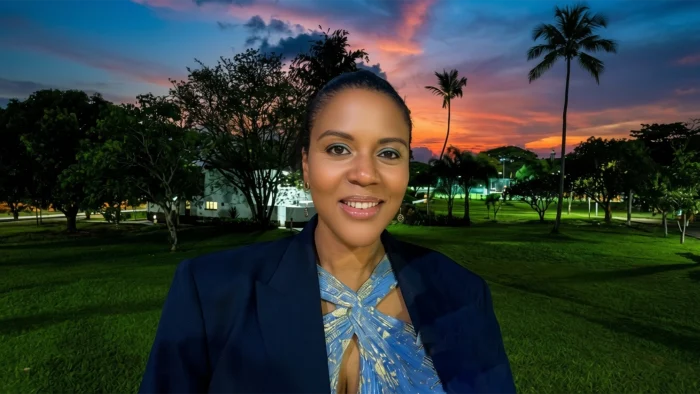
ANITA ATHENA IBRU: Executive Director at Federal Palace Hotel and Chief Strategy Officer, Global, The Guardian
As one of Nigeria’s most historic hospitality brands, how is Federal Palace HotelFederal Palace Hotel intentionally building a pipeline of women leaders across its operations?
- Interesting question. I wouldn’t say it’s hundred percent intentional, but it’s more of a reality. The fact of the matter is that in this day and age, visitors as well as those who live in Nigeria are expecting to have experiences alongside their business meetings and stays. And women have a role to play in offering such.
Women do tend to be good hosts, so it’s natural for this to translate into the public places of hospitality, such as at our nation’s beloved and historically renowned hotel.
Moreover, a truly successful hotel really ought to make guests feel as comfortabletruly successful hotel really ought to make guests feel as comfortable and “at home” even if they’ve travelled thousands of miles to stay, enjoy and relax. And at home, we want to make our guests comfortable. This is an inherent transferable skill that many women boast of. Therefore, women, alongside men, especially increasingly so at the leadership levels, have every reason to forge careers in this sector. Their skills in strategy and attention to detail are crucial. Whether it’s in Guest Relations or even in Finance, all hospitality professionalshospitality professionals and staff really ought to view themselves as hosts. And that – possibly – comes more naturally to women.
What does “Gain” look like for you in 2026?
For me, I’ve chosen to take the notion of “Gain” very personally. There are many women like myself who love to give, but we also shouldn’t be ashamed to gain. “Gain” is like the return on investment. On my time, which I value more and more as I age. With returns in mind, I can create boundaries and decide strategically where to spend my energy. I want to be invested in what I decide to “Give” to. I am now very conscious about avoiding burnout and about being discerning. This is part of my personal growth, so I can leave room and preserve my best where it’s most needed. Growth is also part of the “Gain”. If I grow, I can assist others to grow. So, in the reverse, that’s a gain right there – for others that I love to serve. They can gain from my giving. So, there you go, ‘“Give to Gain” is actually a symbiotic notion! (Laughs)
How do you lead differently as a woman in this industry?
Right at this very moment in time, I feel hospitality plays a crucial part in Nigeria’s positive narrative – especially at home – because it’s in this sector we can receive those who truly appreciate Nigeria and offer them unforgettable stays and experiences, whether it’s for business, leisure or pleasure. Being a woman in mediaBeing a woman in media, I believe I have a unique advantage – and duty. I’m able to amplify every detail, every offering with a story behind it. I’m really passionate and driven as I work to create a destination where conversations and feedback about all things great about Nigeria can take place. I started this 20 years in print, with Time Out Nigeria. But right now, it’s happening LIVE right here at Federal Palace Hotel. In the motherland, I can witness the same level of pride I feel when I hear Afrobeats in an Uber in Luxembourg or great reviews about our culture from a friend in the UK who’s attended their first Nigerian wedding.

What does legacy mean to you, and are you building beyond profit?
My aim is to contribute to sustaining, preserving, maintaining, growing and improving on what my father started. This is not only the ultimate dream, but the duty of a true descendant. Making profit is one thing – that can be quantified. But being able to sustain a legacy is much more than that. It’s priceless, and it’s a blessing.

OLUYEMISI FAJIMOLU: Chief of Staff: Marketing Specialist at Federal Palace Hotel
In what ways does your offering reflect cultural authenticity rather than generic hospitality?
At Federal Palace, hospitality goes beyond service it is about identity, heritage, and sense of place. We are very intentional about ensuring that our spaces reflect the culture and community we serve. From the programming we curate to the voices we amplify, there is a strong emphasis on celebrating Nigerian excellence, particularly the contributions of women across business, finance, hospitality, and the creative industries. Cultural authenticity, for us, means creating environments where people feel connected and represented, not just accommodated. It is the difference between hosting guests and creating meaningful experiences rooted in who we are.
What innovation are you introducing this year to stay competitive?
This year, Federal Palace is focused on deepening impact rather than simply increasing activity.We are evolving from hosting standalone events to building intentional ecosystems that encourage collaboration, cross-sector engagement, and sustained relationships. Our gatherings are more thoughtfully curated to ensure that conversations translate into opportunity, connection, and long-term value for participants.For us, innovation is not only about format it is about relevance. If the experience continues to resonate long after the event ends, then we have created something meaningful.
How does the principle “Give to Gain” translate into long-term institutional value for Federal Palace?
At Federal Palace, “Give to Gain” is about building legacy through intentional investment in people and community. When an institution creates meaningful platform, especially those that empower women, fosters leadership, and encourages collaboration, it builds trust, loyalty, and credibility. Over time, that trust becomes sustained engagement, strong relationships, and enduring brand value. By consistently creating spaces where people feel seen, valued, and supported, Federal Palace is not only contributing to today’s conversations but strengthening its relevance for the future. Long-term institutional value is built through purposeful generosity.
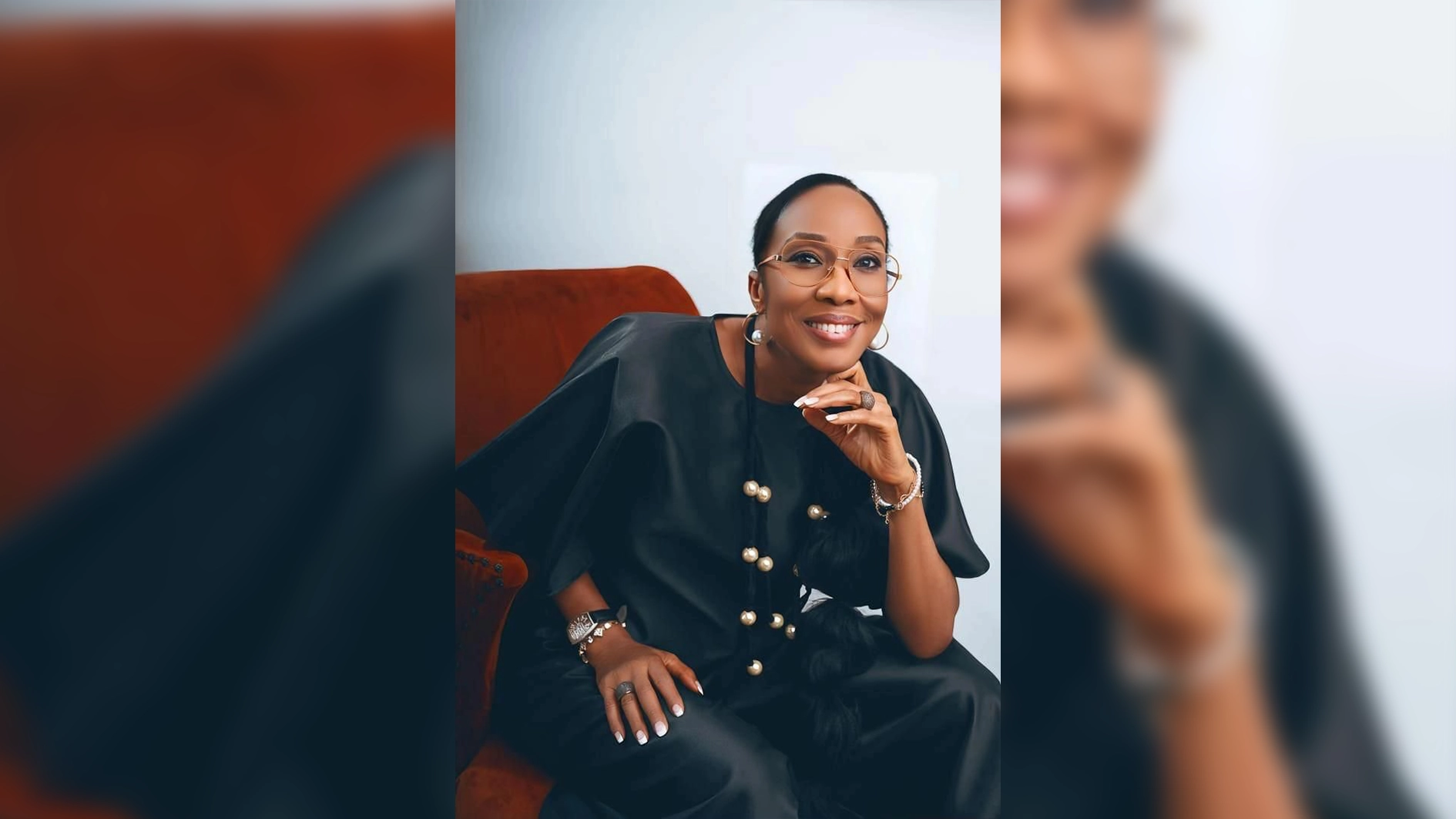
DR. MICHALE MATTHEW: Seasoned Investment Expert
How can more women thrive in the hospitality space?
The hospitality sector in Nigeria is growing fast, contributing billions to GDP and employing millions, but it has structural gaps in training, skills, and career progression that affect workforce quality and inclusivity. In Nigeria, women already make up a significant portion of hospitality workers, especially in administrative and service roles, but they are less visible in leadership and skilled management positions.
To accelerate women’s success, skills development and professional training are required. Expand formal training and certification programmes targeted at women, especially in leadership, food and beverage management, and hotel operations. Only about 25 percent of Nigerian hospitality workers have formal training, far below regional peers.
Partner with global hospitality training institutions to offer scholarships, internships, mentoring, and exchange programs that elevate women into technical and operational excellence.
Promote structured career routes that move women from frontline roles into supervisory and executive positions. Support female mentorship networks, with role models in senior roles such as general managers, executive chefs, and operations directors.
Inclusive Corporate Policies. Encourage hotels to adopt gender-inclusive HR practices, equal pay policies, and anti-discrimination measures (e.g., equitable recruitment, training, and promotion).
Incentivise businesses that demonstrate measurable progress in women’s employment and leadership metrics. Globally, hospitality is emphasising diversity, equity, and leadership pipelines for women and underrepresented groups – a trend Nigerian businesses can align with for competitiveness.
What policy interventions would meaningfully strengthen women’s participation across the hospitality value chain?
Effective policy frameworks are critical to ensure that the expanding hospitality industry generates inclusive growth. National Skills and Certification Frameworks. Establish government-backed hospitality training institutes or subsidised skilled workforce programmes that reach women and youth across regions (not just Lagos/Abuja).
Access to Finance and Enterprise Support. Create gender-focused enterprise funds for women-owned hospitality SMEs (restaurants, catering, boutique hotels) with favourable lending terms, credit guarantees, and business development support. This addresses barriers in capital access documented for female entrepreneurs.
Workplace Protections and Incentives. Implement policies that encourage family-friendly workplaces, maternity protections, and flexible schedules, measures shown globally to improve women’s participation in service industries.
Public-Private Partnerships. Government collaboration with bodies like the National Tourism Development Corporation and hospitality associations to institutionalise apprenticeship and leadership training, with a focus on women policy conversations are already underway in Nigeria’s hospitality forums.
The hospitality industry is vulnerable to shocks. How can women leaders build resilient business models that balance profitability with purpose?
The hospitality sector globallyand in Nigeriais sensitive to economic shocks, exchange rate volatility, and tourism demand cycles, but recovery and resilience are possible with adaptive strategies.
Diversify Revenue Streams. Combine traditional services (rooms/food) with event hosting, wellness tourism, pleasure offerings, and cultural experiences to reduce dependency on a single segment. Nigerian domestic tourism is rising, and special-event markets (e.g., weddings, festivals) remain buoyant.
Embed Purpose into Operations. Women leaders often drive community-centred and inclusive business models that leverage local talent, source from women-owned suppliers, and provide training pathways, creating shared value beyond profit.
Invest in Technology and Innovation. Build operational resilience by scaling digital tools (reservation systems, revenue management platforms) that improve efficiency, guest engagement, and remote business management a global trend in hospitality recovery. Adopting sustainability strategies such as energy efficiency, waste reduction, and local sourcing can reduce costs, appeal to conscious travellers, and position brands for long-term growth. Women leaders should build alliances across industry associations, tourism bodies, and financing institutionsto share best practices and co-advocate for supportive policies.
These approaches align with global hospitality trends where resilience is built through diversification, innovation, and inclusion strategies that purpose-driven women leaders are uniquely positioned to champion.
