 Follow Us on Google News
 Follow Us on Google Discover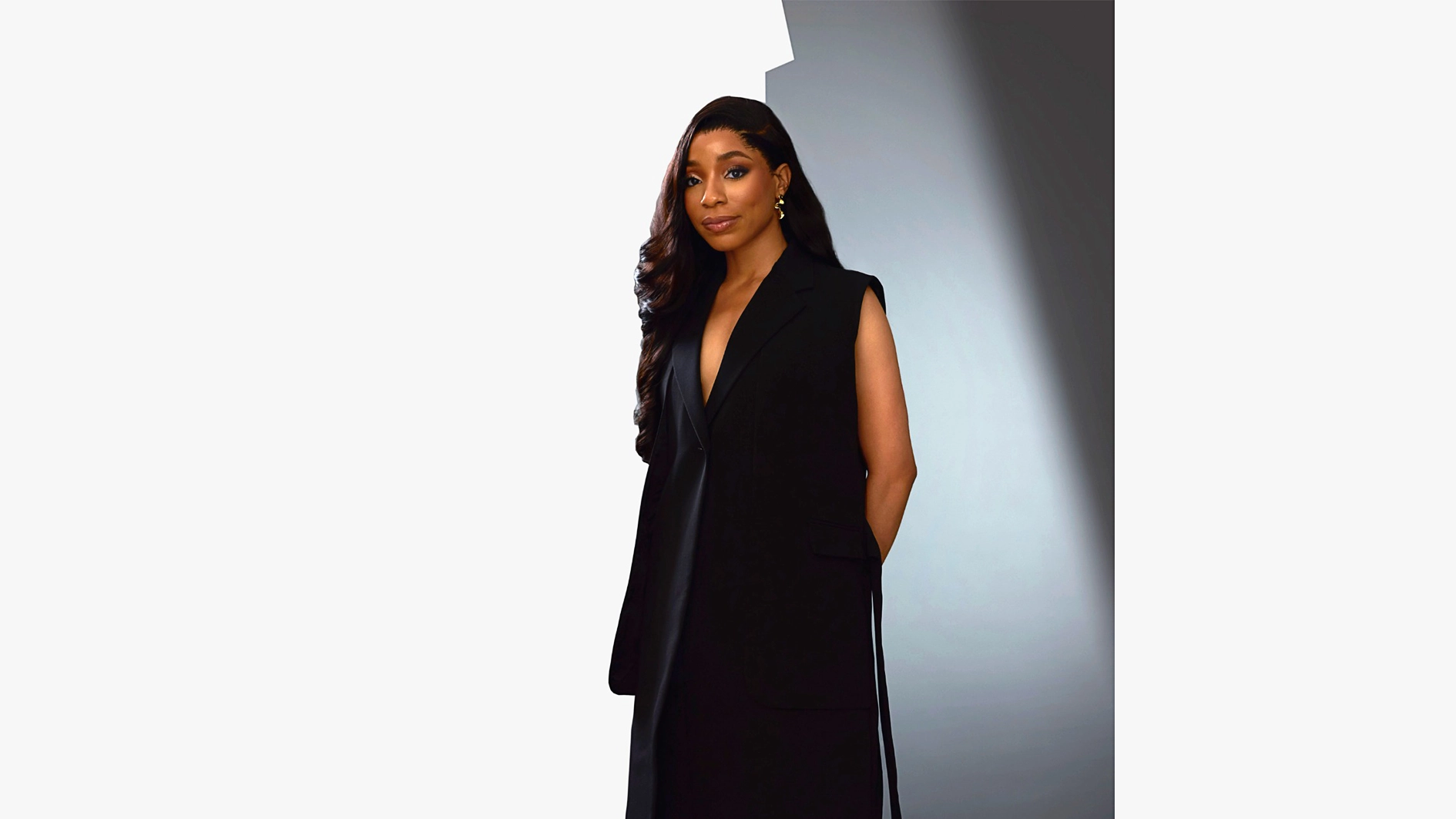
Rosemary Awoh is a multidimensional entrepreneur, a Do it yourself (DIY) mobile television presenter and a global event planner who has grown footprint across the globe. In this interview with MARIA DIAMOND she speaks about the pros and cons of the event planning industry and what drives her to succeed in her career.
What motivates you to aim for excellence in your field as a woman?
Every woman should be driven by something that enables her aim for excellence. I am driven by storytelling. I curate each event with intentionality to reflect the client’s personality, vision, and emotional journey. So rather than replicating trends, I focus on crafting distinct experiences where every detail, from spatial design to guest interaction is thoughtfully considered.
How would you describe a professional event planner?
First things first, a professional event planner comes up with the creative design and direction for the event. Every event must have a theme that tells a story. An event planner creates the design in terms of decor and ambience. Nothing must look similar to anything that has been done before. An event planner takes charge of literally 95 per cent of the event. This is what we present as a brand. We ensure our vendors know this. We make sure we’re the ones sourcing for the editorial team, photography, videography, food etc. We leave ‘aso ebi’ and souvenirs to the client as these are personal things. For every other thing, itinerary, MC, total ambience of the day, managing guest experience must be prioritised.
From experience, would you say the event planning industry is remunerative?

Well yes, but not every event planning yields so much gain. Corporate events tend to pay more as opposed to weddings, especially Nigerian weddings. Because Nigerian weddings are quite expensive one doesn’t really gain much but with destination weddings, you get good rewards for your work. More importantly, I feel like to be an event planner, it has to be a passion – genuine passion because the industry is now quite expensive.
What is your take on last minute crisis management in event planning?
One thing I do, after briefing on an event, is to always assess the risks that could potentially happen in that event. It’s also something my team has learnt from me. I tell them before you panic, think of five worst case scenarios to salvage the situation. For instance, we’ve had situations where it just starts raining suddenly. What do you do? We’ve had situations where my clients get scammed by international vendors. We’ve had situations where the power goes out. We’ve had a situation in a destination wedding where the bride’s wedding dress didn’t come and we just had to salvage all that. We just try as much as possible to keep our clients calm, not panic and just think of a solution.
Tell us about the diverse events you curate and which one tops the list?
Weddings top the list for me because my brand started with just that. However, we diversified into regular events such as birthdays for young and old, corporate events etc. We do all of that. One of our very first events within the first year we started our event company was with the Dangote refinery launch. So, we do have a solid corporate clientele. However, destination weddings are our core as a brand.
For a Nigeria-based brand, why destination weddings?
The Nigerian market is extremely expensive. People talk about it as a joke, but being in it, I see how expensive the Nigerian wedding can really be. We work with people’s budgets and when clients tell you their budget, the first thing that comes to mind is finding options that work with this budget. More often than not, destination weddings come way cheaper. We get to give about five different options of countries that will give better value at a way lesser amount. So, we discovered that there is a huge difference between the cost for a Nigerian wedding and destination wedding, so clients opt for destination wedding because it’s way cheaper and flexible.
How do you sell destination Nigeria to the global wedding stages?
We try as much as possible to have some sort of bond where we understand our clients, things they like, their hobbies and we try to create something that reflects their indigenous personality on the day of the wedding. So, we just don’t really do typical weddings, every event has to tell a story from the decor, the plating to food and drink.
How do you navigate destinations across the globe?
Truth be told, it doesn’t come easy. We go through a demanding planning process starting from research to have a clear grasp of the economic differences of countries. What destination – Manchester, London, Egypt, Morocco etc. will cost. So, when a client reaches out to us for a destination event and they give us the budget, we already know the country that matches each person’s concept and budget.
Take us through the creation of your event planning brand and what it represents in the industry?
My career as an event planner started out as a favour to a friend. I was only trying to save a situation where the original professional planner disappointed them. It turned out very successful and I decided to try my hand at it. Within the first eight months that we started, we successfully did two destination weddings that turned out great and we forged ahead from there. So I created Madame Dubois as an event planning production brand which operates at the intersection of creativity and precision, consistently delivering events that are polished, intentional, and deeply engaging. We are very big on experience. We represent value. One thing that we’ve noticed in the industry is how anything can be called luxury. So we try as much as possible for our clients to see value in every single event. It matters to us that there is value in every aspect of what you see on the day beyond just having physical decor and having nicely plated food on the plates.
What makes your brand stand out from other event planners?
The brand’s strength lies in its ability to transform ideas into well executed experiences that resonate long after the event ends. We ensure not to do the typical. We get creative and replicate everything about the life and personality of our clients in the creation of their event. We thrive on experience, storytelling and overall creative ambience. The experiences we bring together for every event we curate and our creative approach is topnotch – we’re fantastic storytellers. We believe that every celebration should be experienced, not just attended. Your experience begins from the moment you see the venue, before you get into the space, the entertainment on the day which is what drives and keeps people engaged.
How would you describe your career as an event planner?
Simply put: Interesting and fulfilling. After all the work is done and the event sets out, on that day, when you see everything coming together, it’s the most rewarding experience especially when they give you feedback afterwards. It’s like they get to see that you really put your back into it. Creative work is interesting, the ability to be very expressive with our designs especially when we have to align with clients in terms of creativity in a Madame Dubois standard.
Which is your trump card – Destination vs Nigeria wedding?
It is the destination wedding. This is because destination weddings have proven to have more structure. There is a huge gap between Nigerian vendors and destination wedding vendors. In Nigeria you’re having to manage too many expectations in terms of vendors arriving late, excuses of traffic, and most especially another huge problem is that event centres in Nigeria lack organisation. They only care about making their money. But for destination, they pretty much care about what you’re trying to bring to life. So, if you see your brief is big and rich, they make sure there is space for you to properly come and settle. Same thing with destination vendors as well – you do not have to chase anybody to do anything. Everybody knows what to do. They make event planning extremely easy. But here in Nigeria we have to do vendor meetings, you have to keep on following up. There are very few Nigerian vendors that I would say know what to do. Those are the people that we constantly use. From photography, videography, food etc. The Nigerian working culture is not very encouraging. Their vendors don’t have permanent staff. They only have contract staff. Even the contract staff doesn’t care about the business, all they care about is to get paid on that day. So, they lack training on how to manage guests or guest experience. All they care about is that they are wearing their uniform; they are doing whatever they have been told, get paid and go home. Whereas for a destination event, they are showing their license, they are showing their health and safety policy, they know how to manage the hazard. They don’t need to call you and panic when something goes wrong. They are trained and they know what is expected of them.

