 Follow Us on Google News


 Follow Us on Google Discover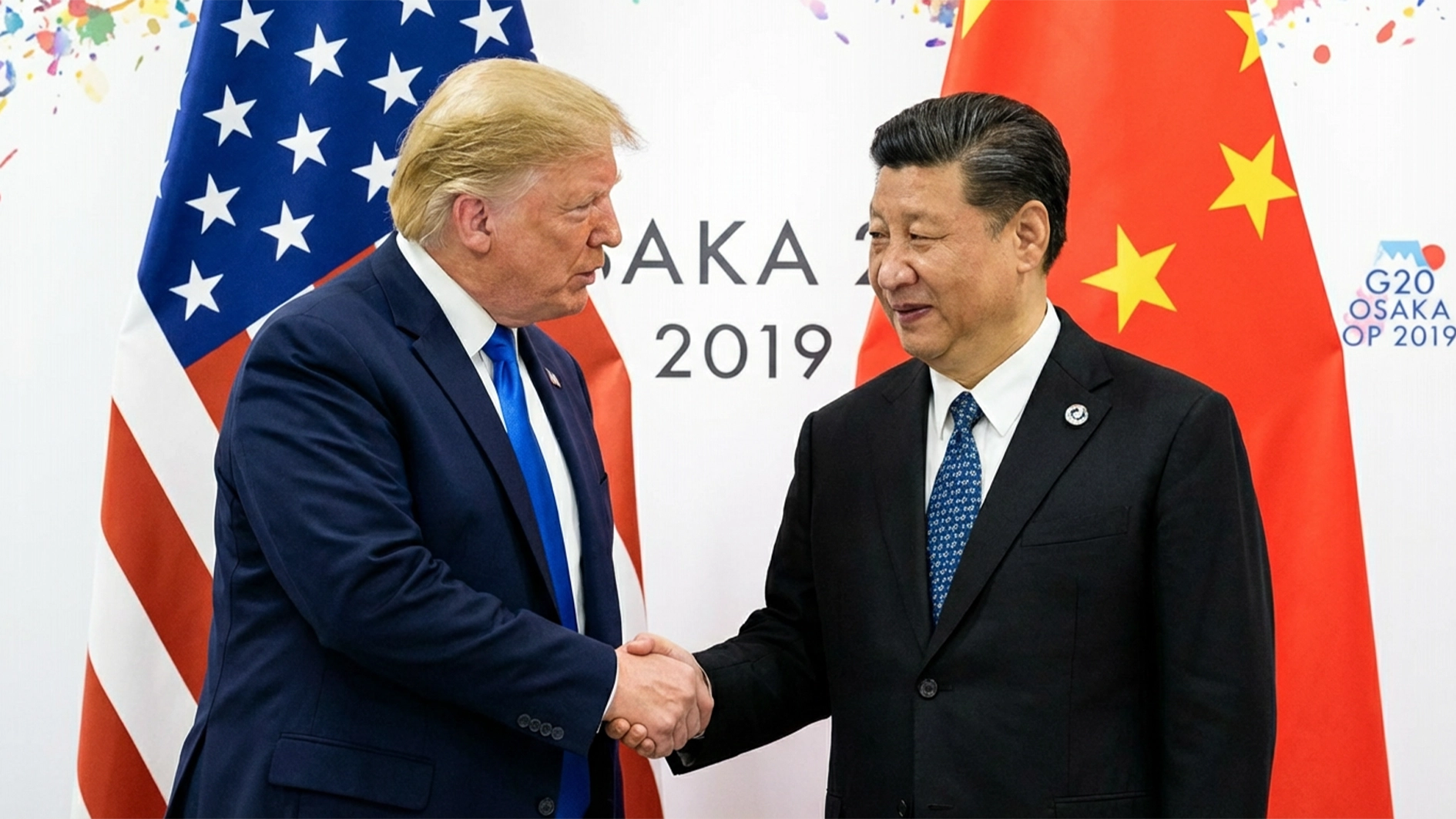
China has overtaken the United States in global public favourability for the first time in the history of a major international survey, signalling a significant shift in global perceptions of the world’s two leading powers.
The finding is contained in a new report by the Pew Research Centre, which surveyed 42,151 respondents across 36 countries between February and May 2026.
The report concludes that more people now hold favourable views of China than of the United States in the majority of the countries surveyed, reversing a long-standing trend that had favoured Washington.
According to the report, the shift is being driven by a combination of improving perceptions of China and a sharp decline in international confidence in the United States during the early years of President Donald Trump’s second administration.
The survey also found that confidence in Chinese President Xi Jinping has surpassed confidence in Trump in many of the countries surveyed.
Although confidence in both leaders remains relatively low in several European nations, Xi enjoys a double-digit lead over Trump in countries including Germany, Italy and the United Kingdom.

One of the strongest factors influencing the changing perceptions is foreign policy.
Across middle-income countries, a median of 75 per cent of respondents believe the United States interferes in the internal affairs of other nations, compared with 45 per cent who expressed the same opinion about China.
The report further indicates that many countries, particularly in Africa and Southeast Asia, increasingly regard China as a more dependable international partner.
In South Africa, for example, 72 per cent of respondents described China as a reliable partner, compared with 46 per cent who said the same of the United States.
Although the United States continues to enjoy a stronger reputation for respecting the personal freedoms of its citizens, the survey notes that this advantage has narrowed considerably.
Researchers attribute the trend not to a dramatic improvement in perceptions of China, but rather to declining confidence that the U.S. government adequately protects the freedoms of its own people.
The report highlights notable regional changes. In Latin America, countries such as Argentina, Chile, Mexico and Peru now rate China more positively than the United States, marking a dramatic reversal from attitudes recorded a decade ago.
Despite the overall global trend, the United States retains stronger public support in a handful of strategic allies, including India, Japan, the Philippines, South Korea and Israel, where respondents continue to express greater confidence in both the U.S. and President Trump than in China and President Xi.
The survey represents one of the clearest indications yet of changing global attitudes towards international leadership and influence, suggesting that China’s expanding economic engagement and diplomatic outreach are reshaping public opinion across much of the world, even as the United States continues to maintain stronger support among several long-standing allies.

