 Get Guardian on Google
Humanitarians Beyond Borders Initiative (HUBBI) will lead efforts to advance the Global Volunteering Forum 2026 Paris Call to Action in Nigeria, working with government institutions, civil society organisations, communities and the private sector to strengthen the contribution of volunteering to sustainable development.
The commitment follows the organisation’s participation in the 2026 Global Volunteering Forum (IVCO), held in Paris. The annual forum, which has convened since 2001, brings together representatives of volunteering organisations, academia, governments, policy institutions, businesses and volunteer networks from around the world. It provides a space to exchange experience, examine emerging challenges and shape policy and advocacy on volunteering.
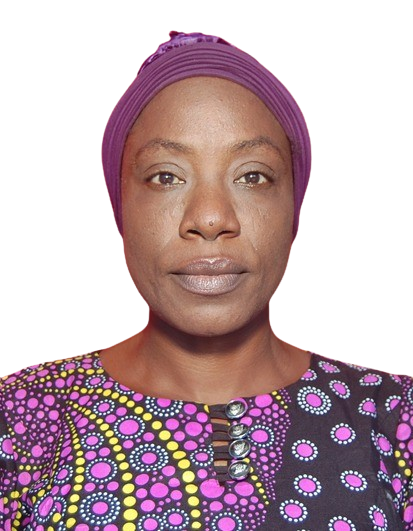
The Paris gathering took place during the United Nations-declared International Volunteer Year 2026, which recognises volunteerism as an important contributor to sustainable development. Humanitarians Beyond Borders was represented by its Chief Volunteer Officer, Mr. Gregory Okonofua.
Reflecting on the Forum, Mr. Okonofua said international cooperation on volunteering creates opportunities for organisations and countries to learn from one another and develop more coordinated, reciprocal approaches to challenges that affect communities locally and globally.
He said Nigeria has a strong culture of volunteering, but that volunteer action is not sufficiently coordinated or connected to national development priorities. Many organisations, including local and international non-governmental organisations, rely on volunteers to deliver programmes, yet the people who contribute their time and skills often receive little recognition or support for their work and the impact they make.
“Volunteering is an integral part of nation-building and must be prioritised,” Okonofua said, calling for a clearer national framework that defines the outcomes volunteering is expected to support. He said Nigeria needs to ask whose resilience it is seeking to strengthen through volunteer action, for what purpose, and how those efforts can contribute to its wider development goals.
He also called for a rethink of the National Youth Service Corps (NYSC), arguing that reform should go beyond changes to its identity or appearance. In his view, the scheme should be more deliberately connected to a national sustainability agenda and provide meaningful opportunities for graduates to develop skills while contributing to their communities and the country.
Pointing to the North-East, Okonofua cited the role of members of the Civilian Joint Task Force in communities affected by insurgency. The are volunteers who have risked or lost their lives in service, he said, raising questions about whether their contributions and the needs of their families receive adequate recognition and long-term support. He asked whether the children of deceased members, for example, could be considered for government scholarships.
He also highlighted the contribution of volunteer teachers, health workers etc., who support the delivery of projects by local and international organisations. Too often, he said, their engagement ends when a project closes, with limited pathways for them to apply the skills and experience they have gained in other roles or within government systems.
Okonofua said public agencies, including the National Oil Spill Detection and Response Agency (NOSDRA), the National Environmental Standards and Regulations Enforcement Agency (NESREA) and the National Agency for Food and Drug Administration and Control (NAFDAC), could strengthen their work by engaging organised, community-led volunteer networks to support their mandates.
He further proposed that relevant federal ministries, including those responsible for humanitarian affairs and youth development, establish a coordinating mechanism or designated desk to bring volunteering efforts across sectors into closer alignment. He said volunteering could also help young people in informal and underserved parts of the economy build skills and become more economically and socially productive.
For Mr. Okonofua, the Paris Call to Action comes at an important moment, with four years remaining in the 2030 Sustainable Development Goals timeline. He said Nigeria should take stock of its progress across the 17 goals, identify lessons and develop a practical national framework that moves beyond policy documents to implementation. He also stressed the need for data-informed decisions and approaches.
The Global Volunteering Standard, Version 3, developed by The Forum, offers guidance that can help countries coordinate and strengthen volunteer engagement, and should be adopted as a guiding template for volunteering in Nigeria.
Humanitarians Beyond Borders has endorsed the 2026 Paris Call to Action and says it will champion its advancement in Nigeria, with an emphasis on recognising volunteers’ contributions, promoting safe and inclusive environments, and integrating volunteering into relevant policies and programmes.
The organisation is inviting interested institutions and partners to join the effort. Further information is available at www.humanitarians-bbi.org or by email at [email protected].