 Follow Us on Google News


 Follow Us on Google Discover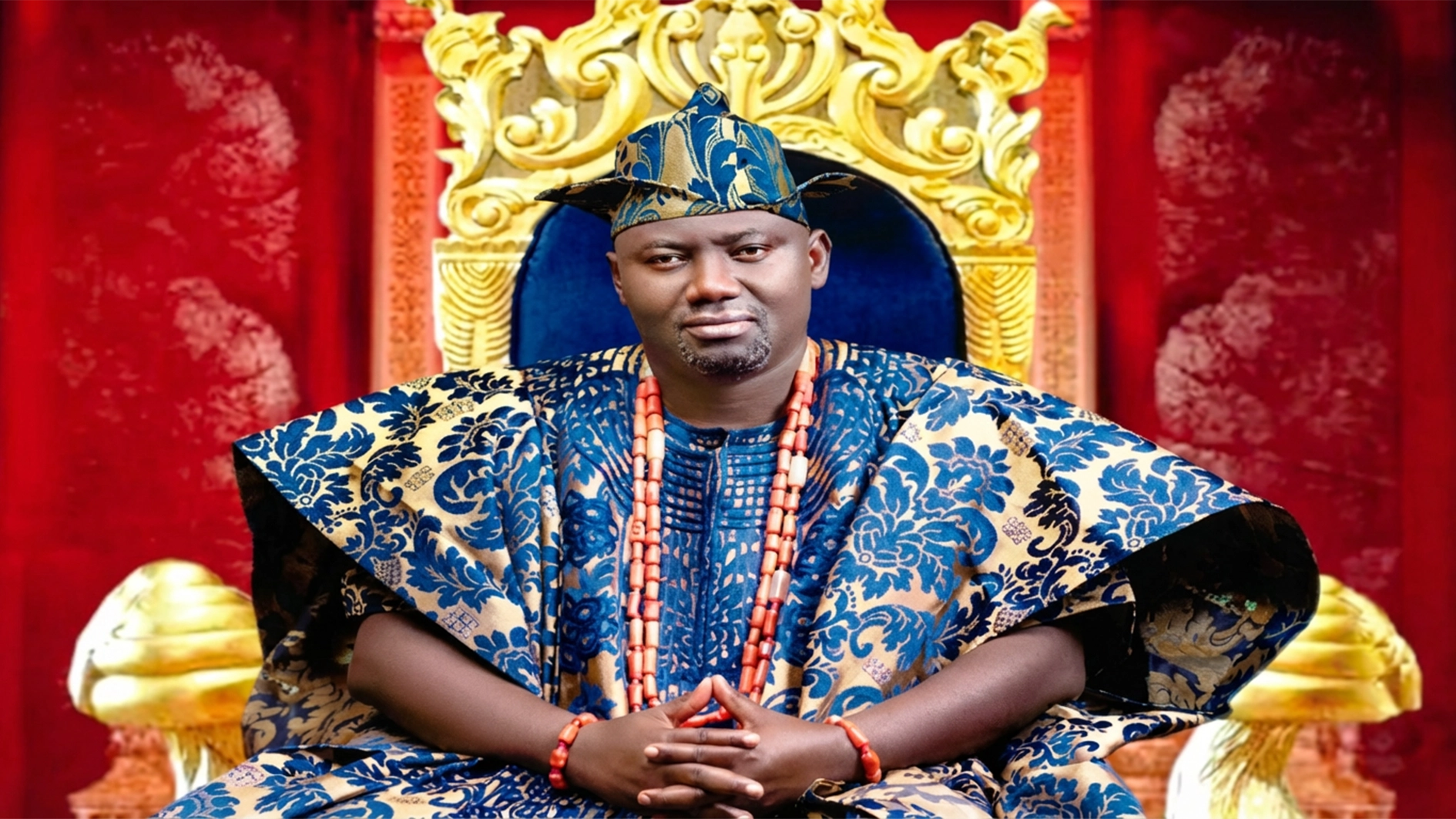
The Alaafin of Oyo, Oba Abimbola Akeem Owoade I, has urged Nigerian politicians to close ranks, shun primordial sentiments and work towards finding pragmatic solutions to the challenges confronting the country.
Oba Owoade said politicians and other stakeholders must engage in logical and constructive dialogue to develop a coherent understanding of the issues affecting Nigeria’s state-building efforts.
The royal father spoke in a statement issued by his Director of Media and Publicity, Bode Durojaiye, to commemorate Nigeria’s Independence anniversary.
He said national growth and development depended largely on the sense of justice, moral values, responsibility, conscientiousness, devotion to duty, selflessness, probity and honesty demonstrated by both leaders and citizens.
The Alaafin said: “Politicians must close ranks, logically brainstorm, and arrive at an in-depth and coherent understanding of the contending state-building issues in the country.”
Reflecting on Nigeria’s political history, the monarch noted that the 1914 amalgamation of the Northern and Southern Protectorates brought together peoples of diverse historical and cultural backgrounds into one political entity.

He said despite the challenges posed by diversity, efforts were made to foster cultural, political, social and economic ties among the various groups.
According to him, Nigeria’s commitment to federalism was based on the need for diverse communities to live and work together while retaining some measure of separate identity.
The monarch recalled the contributions of Nigeria’s founding leaders, including Chief Obafemi Awolowo, Dr. Nnamdi Azikiwe and the Sardauna of Sokoto, to the country’s development and independence struggle.
He said their era witnessed progress in areas such as education, infrastructure, employment, social welfare and healthcare.
Oba Owoade also called for greater recognition and strengthening of traditional institutions in Nigeria’s governance structure.
He argued that traditional rulers could contribute to governance as mobilisers, advisers, mediators, facilitators, adjudicators and nominators, given their influence within their communities.
Alaafin said there was a need for traditional institutions to be preserved, promoted and strengthened through constitutional recognition.
He lamented that traditional institutions had experienced varying degrees of empowerment and marginalisation throughout Nigeria’s pre-colonial, colonial and post-colonial history.
According to him, traditional rulers in pre-colonial Nigeria were not only political authorities but also custodians of the people’s history, culture, religion and economy.
He said traditional institutions in pre-colonial Yorubaland contained elements of governance suited to the social, political and economic conditions of the period, with emphasis on the welfare of the people.
The monarch noted that the advent of colonial rule and the introduction of Western systems of government reduced the powers and relevance of traditional rulers.
He added that since independence in 1960, the political status of traditional rulers had continued to decline, with implications for governance and administration.
Oba Owoade, however, lauded the administration of President Bola Ahmed Tinubu for what he described as its focus on rebuilding the country and laying foundations for sustainable development.
He said Nigeria’s longstanding challenges could be overcome if leaders and citizens worked together towards national development.

