 Follow Us on Google News
 Follow Us on Google Discover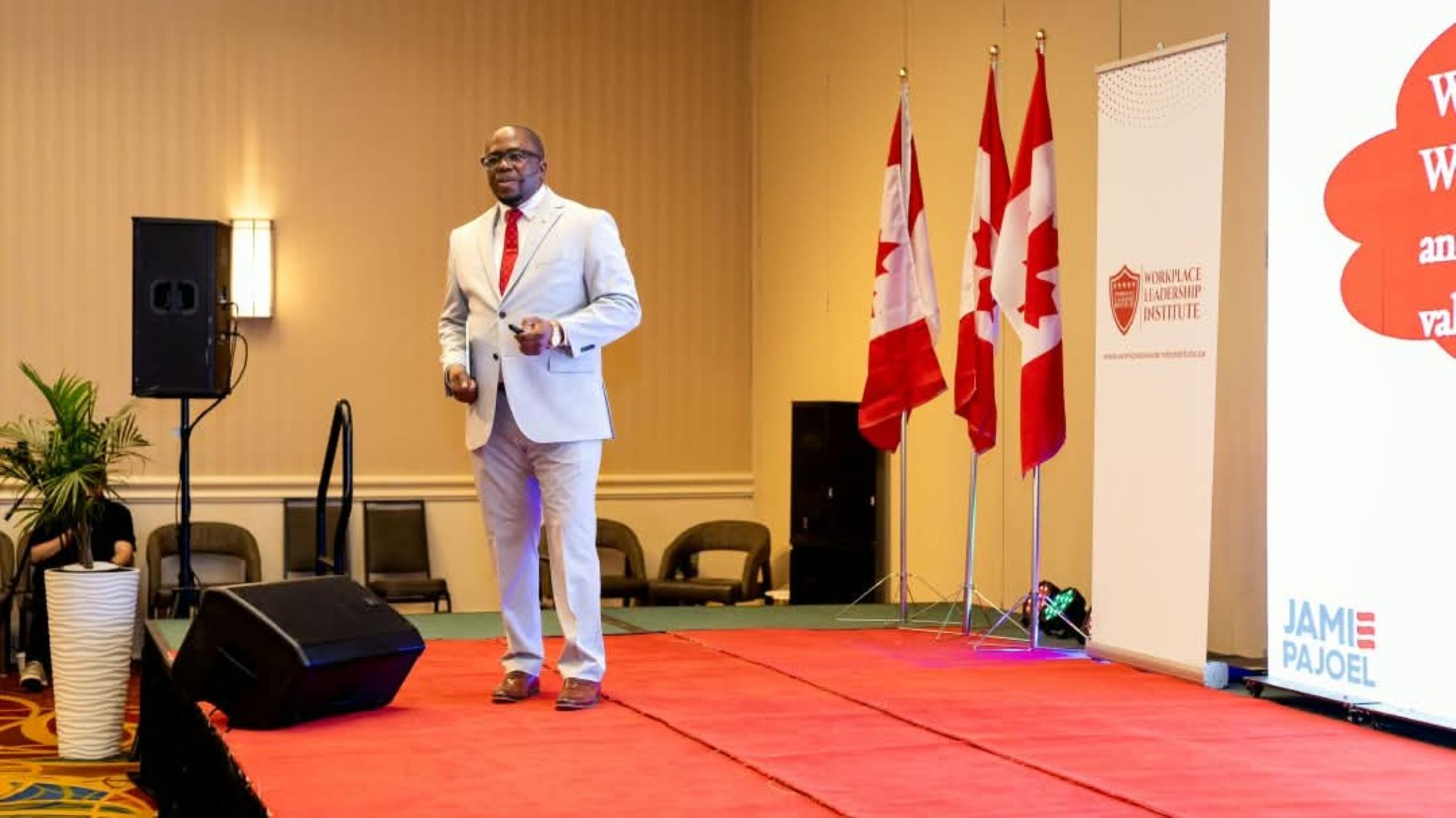
The Workplace Leadership Institute has called on organisational leaders to address workplace bias and stereotyping before they develop into more serious problems such as prejudice, discrimination and harassment. The Workplace Leadership Institute said unchecked assumptions can become normalised within organisations and influence how employees are assessed, treated and given access to opportunities.
According to the Workplace Leadership Institute, bias, stereotyping, prejudice, discrimination and harassment can be connected through a progression in which unchallenged assumptions become embedded in workplace culture and decision-making. The Workplace Leadership Institute said executives can interrupt this pattern by strengthening decision-making processes, accountability structures and leadership practices.
Facilitator and workplace leadership expert, Dr. Jamie Pajoel, said executives must look beyond individual intentions and examine the systems through which important organisational decisions are made.
“Leaders must look beyond individual intentions and examine the systems through which decisions are made. When organisations create structures that encourage objective assessment, challenge assumptions and make accountability visible, they reduce the opportunity for unconscious bias to shape important decisions,” Dr. Pajoel said.
The institute said bias can influence how individuals perceive and evaluate others, sometimes without conscious awareness. When such assumptions are repeatedly reinforced, they can develop into stereotypes and influence attitudes and judgements about particular groups.
According to the institute, these attitudes can affect organisational decisions and behaviours, potentially contributing to discriminatory practices. Where such patterns are repeatedly tolerated or ignored, they can create an environment in which more harmful behaviours, including harassment, become more likely.

It said executives therefore have opportunities to intervene before workplace inequities become more deeply established.
One area requiring particular attention is organisational decision-making. Hiring, promotion, succession planning and performance assessment can all involve significant individual judgement and may therefore be vulnerable to unconscious assumptions.
The institute highlighted affinity bias, conformity bias, the halo effect, gender bias and age bias as examples of influences that can affect how employees and candidates are assessed.
Affinity bias, for instance, can lead decision-makers to favour people with backgrounds or experiences similar to their own, while conformity bias can make individuals less willing to challenge the prevailing view of a group.
The halo effect can cause one positive characteristic to influence an individual’s overall assessment, while gender and age-related assumptions can affect perceptions of capability, credibility and leadership potential.
The institute said organisations can reduce the influence of such biases by strengthening the structures through which important decisions are made.
Clearly defined assessment criteria, structured decision-making processes, diverse assessment panels and regular calibration of performance and promotion decisions can provide additional checks against subjective assumptions.
It also highlighted leadership accountability as an important part of the process, saying inclusion and equitable outcomes should form part of broader leadership responsibilities rather than remain the sole concern of human resources or designated workplace programmes.
The institute further called for greater attention to stereotyping, noting that employees can sometimes be assessed primarily as members of a particular category rather than on their individual capabilities and contributions.
Stereotypes can influence assumptions about competence, work ethic, communication style, leadership ability and cultural fit across areas such as race and ethnicity, gender, age and socioeconomic background.
Dr. Pajoel said leaders have a responsibility to challenge such assumptions when they appear in workplace conversations and decision-making.
“The culture of an organisation is shaped not only by the values leaders announce, but by the assumptions they challenge and the behaviours they refuse to normalise. Leaders set the standard when they insist that people are evaluated for their actual contribution rather than assumptions about their identity or background,” he said.
The institute said addressing bias and stereotyping requires both cultural and structural responses.
While leaders can reinforce expectations around fairness, individual evaluation and respectful decision-making, organisational systems can provide additional safeguards through objective criteria, multiple perspectives and regular reviews of high-impact decisions.
It said these measures are particularly relevant to recruitment, promotion, succession planning and performance management, where decisions can have significant implications for employees’ careers.
The institute said organisational equity is strengthened when leaders intervene at the earliest point where assumptions can influence workplace behaviour and outcomes, rather than waiting for more serious problems to emerge.
It noted that bias, stereotyping, prejudice, discrimination and harassment may manifest differently but can be connected within the broader organisational environment.
For executives, the institute said, the responsibility is to examine how decisions are made, challenge assumptions that become embedded in workplace culture, establish systems that encourage objective assessment and hold leaders accountable for equitable outcomes.
The institute said the central leadership issue is therefore not simply whether bias exists, but whether an organisation has the awareness, systems and accountability required to prevent unchallenged assumptions from becoming accepted patterns of workplace behaviour.

