 Follow Us on Google News


 Follow Us on Google Discover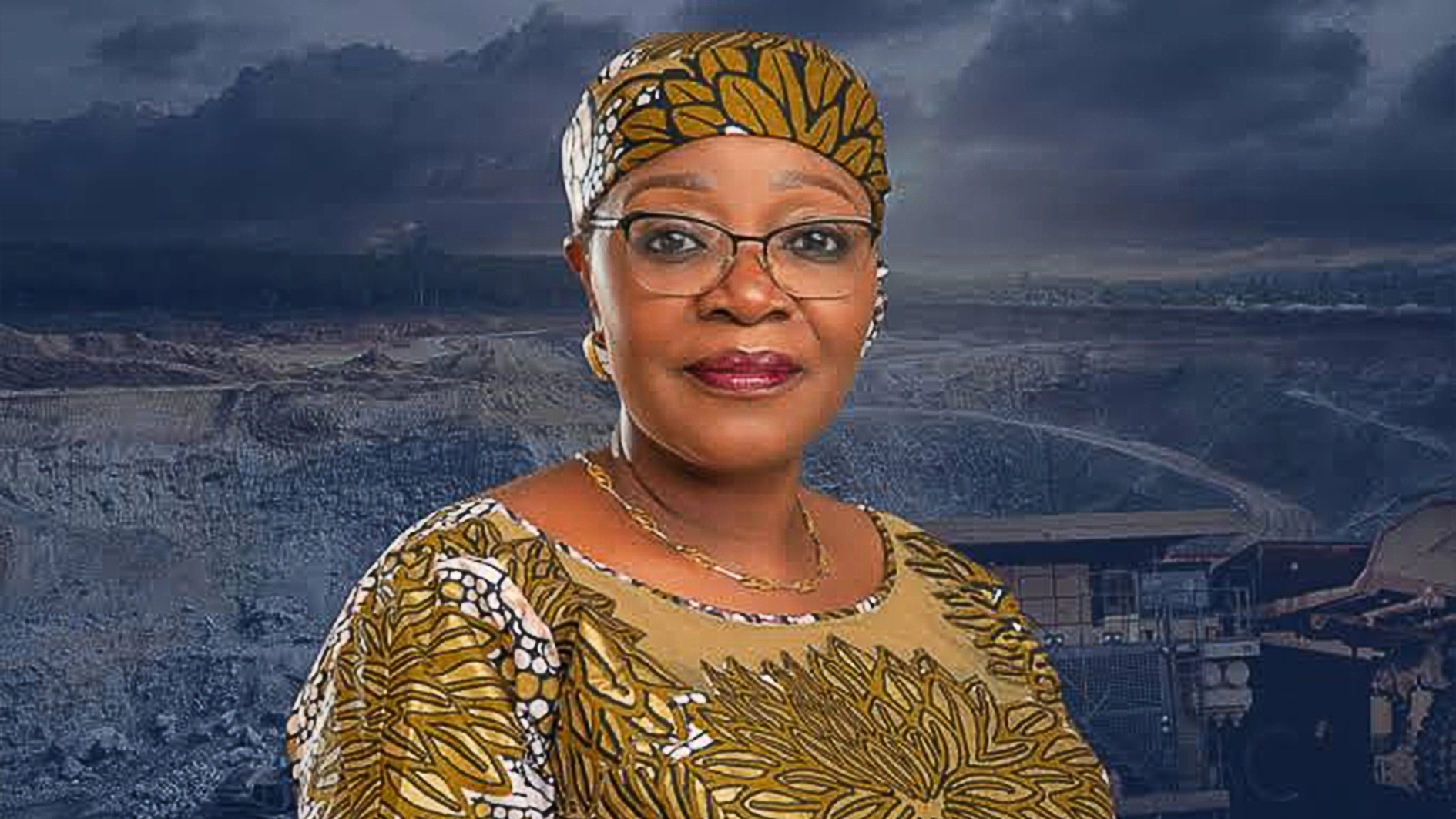
The Nigerian Mining and Geosciences Society (NMGS) has warned that a shortage of properly trained and adequately exposed professionals could undermine the competitiveness and development of Nigeria’s upstream petroleum sector.
The society therefore called for stronger collaboration between universities, professional bodies, government and industry to address the skills gap and ensure that graduates acquire the practical competencies required by the evolving petroleum industry.
The call was made at the Third NMGS/ND Western/Layi Fatona Annual Lecture Series, held at the Dr Layi Fatona Lecture Theatre, Prof Oyawoye E-Library Complex, Department of Geology, University of Ibadan, Oyo State.
The lecture, themed: “Development of Geoscience Human Capital for the Nigerian Upstream Sector – The Degeconek Experience,” brought together geoscientists, academics, industry professionals and students to examine the development of human capital for Nigeria’s upstream sector.
Speaking at the event, the guest speaker, Abiodun Olufemi Adesanya, FNMGS, identified the availability of properly trained and educated professionals as one of the major challenges facing the industry.
“The biggest challenge is getting the right, trained and educated individuals who can come in, manage, develop and take the industry forward,” Adesanya said.

He said academic qualifications alone were not sufficient to prepare professionals for the demands of the industry, stressing the importance of practical experience, mentorship, exposure to industry data and continuous professional development.
Adesanya also urged universities and industry stakeholders to expose young geoscientists to emerging technologies, particularly artificial intelligence (AI), which he described as an enabler that could improve efficiency and productivity.
“There is quite a lot we can do. As you know, AI is meant to be an enabler. It is meant to assist us in what we do, in such a way that we can do things more efficiently, more quickly and in less time,” he said.
He also identified international exposure as an important component of human capital development, urging young professionals to attend conferences, participate in international forums and benchmark their knowledge and skills against global standards.
“The most important challenge in getting to that point is exposure. We need to attend conferences. We need to go international, benchmark ourselves and participate in forums where some of these technological advancements are discussed,” Adesanya said.
The President of NMGS, Rose Chundung Ndong, said the competitiveness, sustainability and resilience of Nigeria’s upstream petroleum sector depended not only on natural resources, technology and investment, but also on the quality of professionals responsible for exploring, evaluating, developing and managing the resources.
Ndong called for closer cooperation among universities, professional bodies, government and industry to ensure that training remained responsive to technological advances, digitalisation, artificial intelligence and the energy transition.
She said, “The competitiveness, sustainability and resilience of Nigeria’s upstream petroleum sector depend not only on the availability of natural resources, technology and investment, but fundamentally on the quality of the professionals who explore, evaluate, develop and manage these resources.”
The chief host, Dr Layi Fatona, proposed the establishment of a Student Science Development Fund to support students’ participation in conferences, professional membership, research presentations and other activities capable of broadening their exposure to the industry.
Fatona said universities needed to give students opportunities to interact with professionals, present their research and gain practical exposure beyond the classroom.
“We need to develop our students and give them the opportunity to participate in conferences, present their work and interact with professionals in the industry,” he said.
He proposed that the fund should operate as a sustainable endowment, with the Department of Geology, University of Ibadan, serving as a pilot institution.
The Chief Executive Officer of Heirs Energies, Osayande Igiehon, commended Fatona’s contribution to the development of indigenous technical capacity and stressed the importance of human capital development to achieving energy sufficiency in Africa.
The Vice-Chancellor of the University of Ibadan, Prof Kayode Adebowale, was represented at the event by the Deputy Vice-Chancellor, Research, Innovation and Strategic Partnerships, Prof Simisola Akintola.
Other academics, geoscientists, industry professionals and students attended the lecture.

