

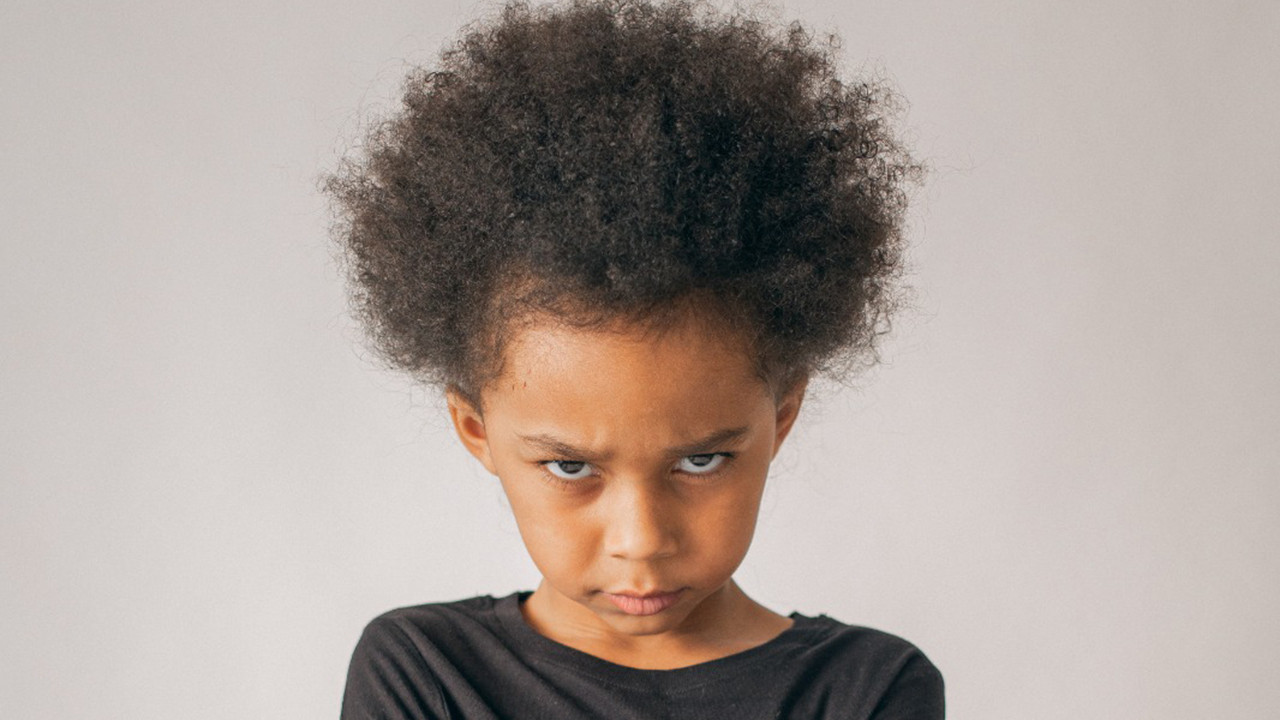
Anger can be a difficult trait to effectively handle for children growing up. When not properly managed in their formative years, it could lead to larger scale issues in the future especially relating to their interpersonal relationships.
[ad]
Children are much more impulsive with emotions due to their still-developing frontal lobe and cortex. Think about helping your child deal with anger as a journey and not as a destination. Kids will need ongoing support and teaching to cultivate healthy relationships with their emotions, especially complicated ones like anger.
Children need all the assistance they can get to handle anger to ensure it does not go on to pose a bigger threat to their development. There are multiple measures that can be taken to help relieve kids of stress when they experience anger issues.
One activity that has proven to make children less prone to aggression is exercise. Setting up a regular exercise routine with children can be a useful tool to reduce rage tendencies. It teaches them a means of channeling their anger, and also helps them develop some fitness. It is important that they conduct these routines with the supervision of a guardian to provide them much-needed mental support.
Some children learn to handle their anger through the arts. You’ll find that activities like painting and drawing, singing, dancing and other forms of artistic craft can help to relieve them of stress. Art can help to focus their minds and redirect their emotions. It would help to practice these activities regularly, as it would help them form the right emotional coping skills. As always, the participation of a guardian is highly crucial to helping your child overcome his or her anger.
[ad]
Communication is a key tool to effectively manage anger in children. When children express anger, it is important to watch the words used to relate with them. Rather than reciprocate the negative energy, it can be really useful to try to empathise and calm them down with an appropriate choice of words.
Children also need to learn that anger is not the right kind of behaviour, and guardians need to take charge of the sensitisation process through frequent dialogue, and also stepping up as role models by showing them their own ways of dealing with anger. The best way to teach a lesson is through leading by example.
Identifying activities that such children enjoy participating in is really insightful when calming them down during their angry outbursts. For some children, it could be a favourite meal; for some it could be a sport, television show or even a book. Collecting important details about hobbies and fun activities to do with your children could become really helpful when attempting to lighten up their mood.
Keep in mind that anger management is a continuous process that will require lots of time, effort and commitment. Children should not be rushed into resolving their anger issues; instead, guardians should continue to be patient and understanding. Additionally, parents can seek help and consultation from trained therapists that specialise in child psychology for one-on-one discussion on how to reach a feasible solution.
[ad]
