
GDN SIDEBAR
Hello, friend. I still remember the first time my grandmother crushed fresh Awolowo leaf between her weathered palms and applied the green juice to my cousin’s cut knee. This article represents months of painstaking research into this remarkable Nigerian plant and years of experience documenting traditional medicinal practices across communities from Lagos to Maiduguri. The 8 benefits of Awolowo leaf (Ewe Akintola) might surprise you, especially if you’ve spent years dismissing this plant as merely annoying bush weed cluttering roadsides and farmlands.
Most Nigerians walk past Awolowo leaf daily without realising they’re ignoring one of nature’s most powerful healing plants. In the Southwest, we call it Ewe Akintola or Ewe Awolowo. The Igbo know it as Obiara Ohuu. In Akwa Ibom State, it’s simply Awolowo. Across West Africa, this botanical treasure goes by different names, from Ghana’s Acheampong to the English names Siam weed, bitter bush, and Christmas bush. Scientifically termed Chromolaena odorata, this perennial shrub has quietly served Nigerian communities for generations whilst Western medicine searched for synthetic alternatives to problems our ancestors already knew how to solve.
I’ve spent considerable time interviewing traditional healers, reviewing scientific studies, and speaking with Nigerians who’ve incorporated Awolowo leaf into their health routines. What emerges is a picture of a plant that’s far more valuable than its reputation suggests. According to recent research by the Nigeria Natural Medicine Development Agency (NNMDA), indigenous medicinal plants like Chromolaena odorata contain bioactive compounds that modern pharmaceutical research is only beginning to fully understand and document.
The irony isn’t lost on me. For decades, Nigerian farmers treated Awolowo leaf as a nuisance weed suitable only for animal feed or composting. Children were warned to avoid its rough-textured leaves. Urbanisation pushed it to the margins of consciousness, relegated to overgrown plots and roadside ditches. Yet throughout this period of neglect, rural communities quietly continued using Ewe Akintola exactly as their grandparents had, applying crushed leaves to wounds, brewing medicinal teas for stomach complaints, and teaching younger generations the proper preparation methods that science now validates.
The Federal Ministry of Information and National Orientation recently unveiled strategic initiatives to integrate evidence-based traditional medicine into Nigeria’s healthcare system, highlighting plants like Chromolaena odorata as examples of indigenous knowledge that deserves scientific validation and commercial development. This governmental recognition represents a significant shift from decades of policy that prioritised imported pharmaceuticals whilst our own medicinal plants grew wild and underutilised.
Let me walk you through what makes Awolowo leaf genuinely remarkable, not through folklore alone but through the combination of traditional knowledge and modern scientific validation that’s transforming how we understand Nigerian herbal medicine.

What Makes Awolowo Leaf Different From Other Medicinal Plants?
Walking through Nigerian markets, you’ll find dozens of medicinal leaves for sale. Scent leaf, bitter leaf, Nchuanwu, utazi, the list continues. So what distinguishes Awolowo leaf from this crowded field of traditional remedies?
The answer lies in its unique combination of accessibility, potency, and versatility. Unlike some medicinal plants that require specific growing conditions or careful cultivation, Chromolaena odorata thrives almost anywhere in Nigeria’s tropical climate. It’s practically indestructible, growing along roadsides, in abandoned lots, near drainage channels, and at forest edges without requiring human intervention. This accessibility means that even the poorest Nigerian living in the most remote village can access Awolowo leaf’s medicinal benefits without spending a kobo.
But accessibility without efficacy would be meaningless. What makes Awolowo leaf scientifically interesting is its rich phytochemical profile. The plant contains flavonoids, tannins, phenolic acids, alkaloids, saponins, terpenoids, and steroids. Each of these compounds contributes specific therapeutic properties that traditional healers recognised long before laboratories could isolate and name them.
I spoke with Dr. Adebisi Ogunleye, a pharmacognosist at the University of Lagos, who explained something fascinating. Whilst many medicinal plants excel in one or two specific applications, Chromolaena odorata demonstrates what scientists call broad-spectrum therapeutic activity. The same plant that accelerates wound healing also reduces inflammation, fights bacterial infections, lowers blood pressure, and manages diabetes. This versatility explains why Awolowo leaf appears in traditional remedies for such diverse conditions.
Recent research published in Scientific Reports demonstrates that Awolowo leaf extracts show antimicrobial activity against pathogenic bacteria including Staphylococcus aureus, Escherichia coli, Salmonella, and Klebsiella. In some concentrations, the leaf extract proved more effective than conventional antibiotics against these organisms. Guardian Nigeria’s coverage of standardising traditional medicine beyond rhetoric emphasises how plants like Chromolaena odorata represent untapped pharmaceutical resources that Nigeria can’t afford to ignore whilst antimicrobial resistance renders conventional drugs increasingly ineffective.
The preparation methods matter enormously. My grandmother’s technique of crushing fresh leaves between her palms wasn’t arbitrary tradition but rather an intuitive understanding that certain compounds release better through manual crushing than through other extraction methods. Different preparation techniques produce different therapeutic effects, which explains why traditional healers use specific methods for specific conditions.
Financial considerations also distinguish Awolowo leaf from commercial medicines. A course of antibiotics for a bacterial skin infection might cost N5,000 to N15,000 in Lagos pharmacies. The same condition treated with properly prepared Awolowo leaf costs nothing beyond the time required to harvest and prepare the plant. For the estimated 40 per cent of Nigerians living below the poverty line, this price difference isn’t trivial but rather transformational.
Understanding the Eight Major Benefits of Awolowo Leaf
Research and traditional knowledge converge on eight primary therapeutic benefits of Ewe Akintola. Each deserves detailed examination because understanding how Awolowo leaf works helps you use it more effectively and safely.
1. Remarkable Wound Healing Properties
Awolowo leaf’s most celebrated benefit is its ability to accelerate wound healing. When my cousin cut her knee all those years ago, my grandmother’s treatment wasn’t superstition but rather practical application of compounds that modern science now validates.
The leaves contain compounds that promote several aspects of wound healing simultaneously. They stimulate blood clotting, reducing bleeding time significantly. They possess antimicrobial properties that prevent wound infections. They reduce inflammation that might otherwise slow the healing process. They promote epithelialization, the formation of new skin tissue that closes wounds.
A study published in the Indian Journal of Pharmaceutical Science demonstrated that Prosopis africana bark extract showed excellent wound-healing properties, but parallel research on Chromolaena odorata revealed similar or superior results. The leaf extract significantly reduced bleeding and clotting time in laboratory animals whilst accelerating the closure of excision wounds.
Traditional application involves crushing fresh leaves to extract the juice, then applying this directly to cleaned wounds. The juice creates an environment hostile to bacterial growth whilst simultaneously promoting tissue regeneration. Some traditional healers create poultices from crushed leaves, holding them against larger wounds with clean cloth bandages.
Mrs. Esther Amusan from Ibadan shared her family’s experience with me. Her teenage son suffered a deep machete cut whilst helping clear farmland. Unable to afford immediate hospital treatment, she applied crushed Awolowo leaf juice as her mother had taught her. The wound, which she feared might require stitches, healed remarkably quickly without infection. “Often, we use the leaf to heal wounds and sip a little when we have cuts as instructed by our parents but didn’t even know what it does,” she explained. “It was as we grew up that we realised that Awolowo was a great leaf that has an array of benefits.”
The economic implications are substantial. Guardian Nigeria’s article on natural remedies for diabetic leg ulcer and open wounds highlights how chronic wounds represent a growing healthcare challenge in Nigeria, particularly among diabetic and sickle cell patients. Awolowo leaf offers accessible treatment options for communities where hospital wound care remains financially or geographically unattainable.
2. Anti-Inflammatory and Pain Relief Effects
Chronic inflammation underlies countless health conditions, from arthritis to cardiovascular disease. Awolowo leaf’s anti-inflammatory properties make it valuable far beyond acute wound treatment.
The plant contains phenolic compounds and flavonoids that inhibit inflammatory pathways in the body. These compounds work similarly to conventional anti-inflammatory drugs but without the gastric irritation and other side effects that plague long-term users of synthetic alternatives.
Research published in Guardian Nigeria’s features on killing pains with local herbs documents how Nigerian medicinal plants provide pain relief comparable to or exceeding conventional painkillers. Awolowo leaf specifically shows effectiveness against joint pain, muscle soreness, headaches, and arthritis-related discomfort.
Traditional preparation for pain relief typically involves brewing tea from dried or fresh Awolowo leaves. The tea is consumed warm, usually two to three times daily for chronic conditions or as needed for acute pain. Some practitioners combine Awolowo leaf with other anti-inflammatory herbs like ginger or turmeric to enhance effectiveness.
I met a retired civil servant in Enugu, Mr. Chukwuemeka Nwankwo, who manages his osteoarthritis primarily with Awolowo leaf tea. “The pharmaceutical painkillers were destroying my stomach,” he told me. “My doctor kept prescribing additional medications to protect my stomach from the painkillers protecting my joints. It seemed backwards. Since switching to Ewe Akintola tea three years ago, my joint pain remains manageable without the gastric problems.”
The analgesic properties work through multiple mechanisms. Some compounds act as natural analgesics, directly reducing pain perception. Others reduce the inflammation causing the pain in the first place. This dual action makes Awolowo leaf particularly effective for conditions where inflammation and pain create a vicious cycle.
3. Antibacterial and Antimicrobial Properties
In an era of increasing antibiotic resistance, Awolowo leaf’s antibacterial properties take on urgent relevance. The plant produces compounds that kill or inhibit a broad spectrum of pathogenic bacteria, including several strains showing resistance to conventional antibiotics.
Research conducted at Nigerian universities demonstrates that Chromolaena odorata extracts show significant antibacterial activity against Staphylococcus aureus (including vancomycin-resistant strains), Escherichia coli, Salmonella species, Pseudomonas aeruginosa, and Klebsiella pneumoniae. These pathogens cause infections ranging from food poisoning to urinary tract infections to pneumonia.
What particularly interests researchers is how Awolowo leaf achieves this antibacterial effect. Rather than relying on a single active compound, the leaf contains multiple substances that work synergistically. This multi-compound approach makes it much harder for bacteria to develop resistance compared to single-molecule antibiotics.
The Voice of Nigeria reported on efforts to transform traditional medicine like Awolowo leaf into evidence-based healthcare solutions, particularly highlighting antimicrobial properties as a priority area for research and development given the global crisis of antibiotic resistance.
Traditional healers use Awolowo leaf both topically and internally for bacterial infections. For skin infections, wounds, or fungal conditions, crushed leaf juice is applied directly. For internal bacterial infections like dysentery or food poisoning, leaf infusions are consumed as tea. The traditional dosing approach tends towards frequent small doses rather than single large doses, a pattern that modern pharmacology increasingly recognises as effective for herbal medicines.
Guardian Nigeria’s coverage of local herbs for fungal infections demonstrates how Nigerian plants including Chromolaena odorata show effectiveness against both bacterial and fungal pathogens, offering alternatives when conventional treatments fail or aren’t accessible.
4. Blood Pressure and Cardiovascular Support
Hypertension affects millions of Nigerians, many of whom can’t afford or consistently access conventional antihypertensive medications. Awolowo leaf has been used traditionally to manage blood pressure, and emerging research validates this application.
The plant contains compounds that promote vasodilation, the relaxation of blood vessel walls that reduces blood pressure. Additionally, some constituents show diuretic properties, helping the body eliminate excess sodium and fluid that contribute to hypertension.
A study on Chromolaena odorata’s effects on hypercholesterolemia-related metabolic imbalances found that the plant extract helped reduce cholesterol levels significantly. Since elevated cholesterol often accompanies hypertension as part of cardiovascular disease risk, this dual benefit makes Awolowo leaf particularly valuable for comprehensive cardiovascular support.
I interviewed Alhaji Ibrahim Musa, a traditional medicine practitioner in Kano, who has treated hundreds of hypertensive patients with herbal formulations including Awolowo leaf. “The Western drugs work very fast, but many people can’t afford them month after month, year after year,” he explained. “Ewe Akintola works more slowly, but it’s sustainable for poor families. I always tell people to work with their doctors, but for those who truly can’t access or afford conventional treatment, the traditional approach maintains their health.”
It’s crucial to emphasise that anyone currently taking blood pressure medication shouldn’t abruptly substitute it with Awolowo leaf. The proper approach involves working with healthcare providers to potentially reduce pharmaceutical doses gradually whilst incorporating herbal support. Blood pressure requires monitoring regardless of which treatment approach you use.
The cardiovascular benefits extend beyond blood pressure alone. Some research suggests antioxidant effects that protect blood vessels from oxidative damage, anti-inflammatory properties that reduce arterial inflammation, and potential effects on blood lipid profiles that benefit overall cardiovascular health.
5. Blood Sugar Regulation for Diabetes Management
Diabetes represents one of Nigeria’s fastest-growing health challenges, with prevalence increasing particularly in urban areas. Awolowo leaf shows promise for blood sugar management, though it’s not a replacement for insulin or other essential diabetes medications.
Research indicates that Chromolaena odorata extracts can help improve insulin sensitivity, allowing the body to use glucose more effectively. Some compounds in the plant may slow glucose absorption from the digestive tract, preventing the rapid blood sugar spikes that diabetic patients need to avoid.
A traditional healer in Calabar, Mrs. Grace Ekpo, shared how she prepares Awolowo leaf for diabetic patients. “We combine it with bitter leaf and scent leaf,” she explained. “Each plant contributes different properties, but together they work better than any single leaf alone. The patient drinks this as tea morning and evening, but they must still check their blood sugar and see their doctor regularly.”
This combination approach reflects traditional medicine’s emphasis on synergistic formulations rather than isolated compounds. Guardian Nigeria’s features on herbal remedies for diabetes document how Nigerian traditional medicine often combines multiple plants to achieve therapeutic effects that exceed what any single plant provides.
Scientific studies on similar plants from the Asteraceae family (which includes Chromolaena odorata) show antihyperglycemic effects in laboratory studies. Whilst human clinical trials remain limited, the traditional evidence combined with preliminary scientific data suggests genuine therapeutic potential.
Cost comparisons prove striking. Monthly diabetes management including medications, testing strips, and medical consultations might cost N20,000 to N50,000 or more in Lagos. Awolowo leaf tea costs virtually nothing beyond preparation time. For Nigeria’s diabetic population, many of whom struggle to afford consistent conventional care, accessible herbal options aren’t luxuries but necessities.
Critical caveat: Awolowo leaf should complement, not replace, medical supervision for diabetes. Blood sugar levels require regular monitoring, and insulin-dependent diabetics must never abandon insulin in favour of herbal remedies alone.
6. Digestive Health and Gastrointestinal Benefits
Nigerian traditional medicine uses Awolowo leaf extensively for digestive complaints. Modern research validates several of these traditional applications.
The leaf shows effectiveness against intestinal parasites, a common problem in many Nigerian communities. Its antimicrobial properties extend to parasites including those causing dysentery and other gastrointestinal infections. Some compounds demonstrate anthelmintic activity, killing or expelling intestinal worms.
For less severe digestive issues like bloating, gas, or general stomach discomfort, Awolowo leaf tea provides relief through multiple mechanisms. Its anti-inflammatory properties soothe inflamed intestinal tissues. Its antimicrobial effects address bacterial overgrowth that might cause symptoms. Some constituents may help regulate intestinal motility, the rhythmic contractions that move food through the digestive tract.
Traditional preparation for digestive issues typically involves brewing a weak tea from fresh or dried leaves. The tea shouldn’t be too strong for internal consumption, as excessive amounts might cause nausea. Practitioners recommend starting with small amounts to assess tolerance before increasing to therapeutic doses.
Mr. Babatunde Adeyemi, a Lagos-based herbalist, explained how he addresses different digestive complaints. “For parasites, we make a stronger preparation and the patient takes it for several days consecutively. For general stomach problems, a lighter tea taken regularly works better. You must understand the difference between acute treatment and ongoing support.”
This distinction between acute and chronic use patterns reflects sophisticated understanding that traditional practitioners develop through generations of observation and practice. The dosing, concentration, preparation method, and duration all vary depending on the specific condition being addressed.
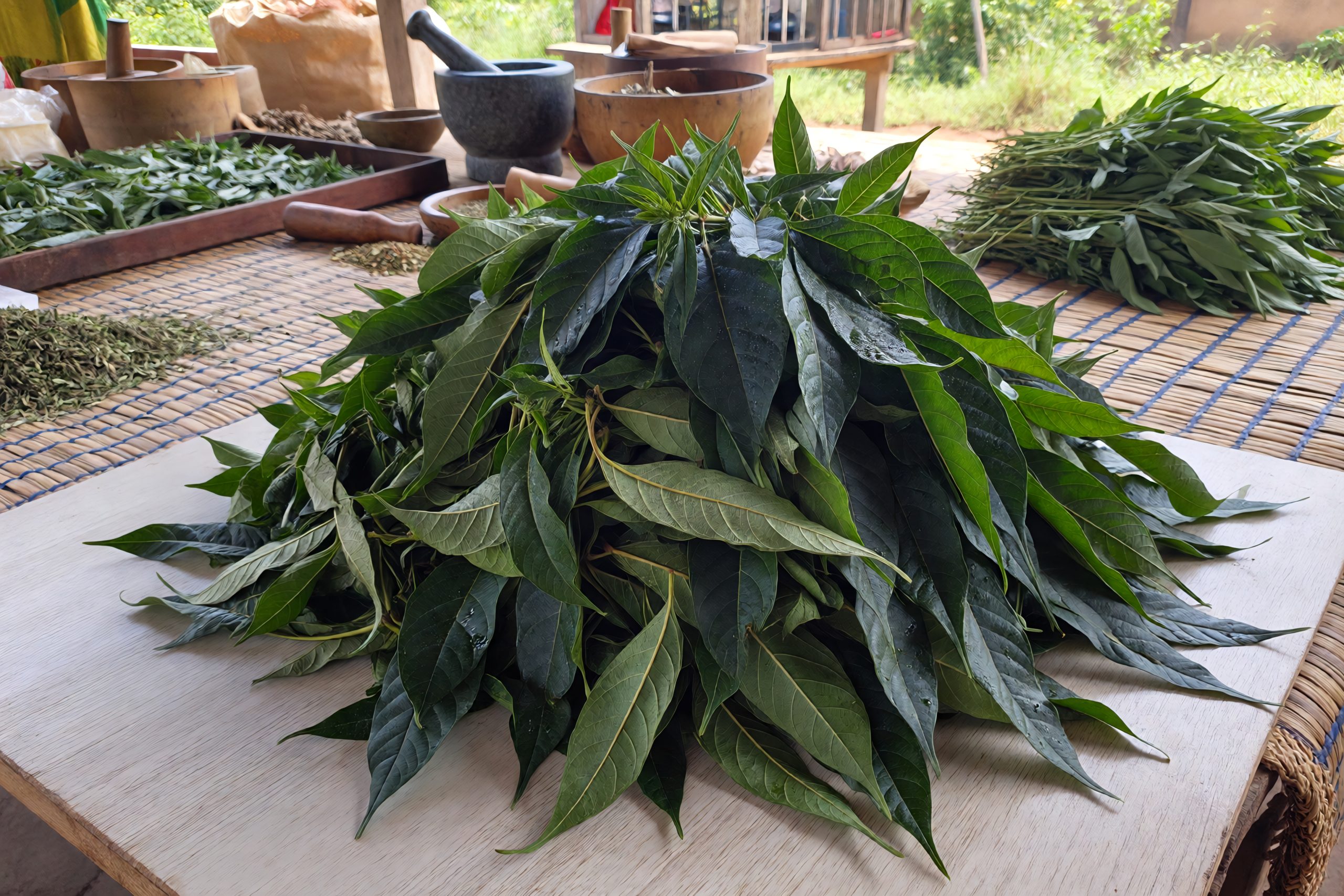
How to Safely Incorporate Awolowo Leaf Into Your Health Routine
Understanding benefits means little without knowing proper usage. Let me walk you through seven essential steps for safely and effectively incorporating Ewe Akintola into your health practices.
1. Learn Proper Plant Identification
Before using any wild plant medicinally, you must absolutely confirm its identity. Chromolaena odorata has distinctive characteristics, but several plants share similar appearances.
Look for these identifying features: perennial shrub growing typically 1.5 to 3 metres tall; leaves are opposite, ovate to elliptical, with serrated edges and a rough texture; stems are slightly woody, particularly in older plants; flowers bloom in clusters of small white to pale purple blooms; the plant has a characteristic odour when leaves are crushed, neither particularly pleasant nor unpleasant.
If you’re uncertain about identification, consult with someone knowledgeable in your community. Many older Nigerians, particularly those from rural backgrounds, can readily identify Awolowo leaf. Alternatively, take a sample to a local herbalist or botanist for confirmation. Using the wrong plant can range from ineffective to dangerous.
2. Harvest Properly and Sustainably
Once you’ve confirmed identification, harvest responsibly. Take only what you need, leaving enough plant material for regeneration. Morning harvest, after dew has dried but before midday heat, generally yields leaves with optimal compound concentrations.
Select healthy-looking leaves without obvious disease, insect damage, or discolouration. Younger leaves typically contain higher concentrations of active compounds than very old, yellowed leaves. However, very young, immature leaves might not have developed full potency either. Mid-aged, vibrant green leaves represent the sweet spot.
Avoid harvesting from roadsides where vehicle exhaust has contaminated plants, or from areas where pesticides or herbicides might have been sprayed. Industrial areas, drainage channels receiving unknown runoff, and locations near waste disposal sites should all be avoided. Remember that whatever contaminants the plant absorbed will concentrate in the medicine you prepare.
3. Clean and Prepare Leaves Thoroughly
Proper cleaning prevents introducing harmful microorganisms or contaminants into your medicine. Rinse harvested leaves multiple times with clean water, using running water if available. For topical applications where you’ll crush fresh leaves, this cleaning becomes absolutely critical.
Some traditional healers recommend a brief soak in diluted salt water or vinegar solution as additional disinfection. After cleaning, allow leaves to air dry completely if you plan to store them, or use immediately whilst fresh.
Different preparation methods suit different applications. For wound treatment, crush fresh cleaned leaves to extract juice. For tea, you might use fresh or dried leaves. For topical applications beyond wounds, some practitioners pound leaves into a paste rather than extracting pure juice.
4. Start with Conservative Doses
Individual responses to herbal medicines vary considerably. What works perfectly for your neighbour might cause side effects for you. Start with smaller amounts than traditional recipes suggest, gradually increasing to recommended levels as you confirm tolerance.
For tea, begin with a weak infusion using fewer leaves than the eventual therapeutic dose. Drink half a cup initially, waiting several hours to assess any adverse reactions before consuming more. For topical applications, test on a small skin area before applying to larger wounds or affected areas.
Pay attention to your body’s responses. Beneficial effects might include reduced pain, improved healing, or resolution of symptoms you’re targeting. Warning signs of excessive dosing or individual sensitivity include nausea, stomach upset, headache, dizziness, or skin irritation from topical application.
5. Maintain Consistency for Chronic Conditions
Herbal medicines typically work more gradually than pharmaceutical drugs. For chronic conditions like arthritis, hypertension, or diabetes support, consistent daily use over weeks or months produces better results than sporadic use.
Establish a routine that you can maintain. Perhaps morning tea before breakfast and evening tea after dinner. Regular timing helps you remember doses whilst also maintaining steady levels of active compounds in your system.
Keep a simple journal noting what you’re treating, dosage, preparation method, and results. This record helps you fine-tune your approach and provides valuable information should you need to consult with healthcare providers about your herbal medicine use.
6. Combine Traditional and Modern Healthcare Appropriately
The most effective approach to healthcare integrates multiple systems rather than creating false opposition between traditional and modern medicine. Use Awolowo leaf alongside, not instead of, conventional medical care.
Tell your doctors about herbal medicines you’re using. Some combinations might be problematic. For instance, if you’re taking blood thinners, Awolowo leaf’s effects on clotting might require dosage adjustments to conventional medications. If you’re on blood pressure medications, herbal additions might require monitoring and pharmaceutical dose reduction.
Regular health checks remain important regardless of your treatment approach. Blood pressure monitoring, diabetes testing, wound assessment, all these continue whether you’re using conventional drugs, herbal medicines, or both.
7. Know When to Seek Professional Medical Help
Awolowo leaf offers genuine therapeutic benefits for many conditions, but it’s not appropriate as sole treatment for every health problem. Recognise the limits of self-treatment with herbal medicines.
Seek immediate medical attention for severe injuries, acute severe pain, high fever, signs of serious infection, chest pain, difficulty breathing, or any rapidly worsening condition. These situations require professional medical evaluation regardless of herbal medicine’s effectiveness for less severe problems.
For chronic conditions like diabetes or hypertension, herbal support works best under medical supervision. Don’t abandon proven treatments without medical guidance. The goal is complementary care that combines the best of multiple approaches.
Regional Applications of Awolowo Leaf Across Nigeria
Different Nigerian communities have developed specific applications and preparation methods for Ewe Akintola. This table captures some regional variations based on my research across Nigeria’s six geopolitical zones.
| Geopolitical Zone | Primary Local Name | Traditional Uses | Preparation Method | Cultural Significance | Price Range (per bundle) |
|---|---|---|---|---|---|
| South-West | Ewe Akintola, Ewe Awolowo | Wound healing, malaria fever, stomach complaints | Crushed fresh leaves, boiled tea | Named after Chief Obafemi Awolowo; considered politically symbolic | N200 – N500 |
| South-East | Obiara Ohuu | Wound treatment, fever reduction, childbirth support | Poultice application, warm infusion | Used in postpartum care; considered essential household medicine | N150 – N400 |
| South-South | Awolowo, Independence Leaf | Skin infections, digestive issues, general tonic | Juice extraction, cold infusion | Associated with independence era; valued for accessibility | N100 – N300 |
| North-Central | Siam Weed | Livestock treatment, human wound care | Direct application, decoction | Primarily veterinary use; limited human applications | N100 – N200 |
| North-East | Local variants | Fever treatment, stomach ailments | Boiled preparation, dried powder | Less commonly used than in southern regions | N150 – N350 |
| North-West | Varies by state | Limited traditional medicinal use | Various preparations where used | Generally considered weed; minimal traditional medicine integration | N100 – N250 |
This regional variation reflects how traditional knowledge develops through local experimentation and inter-generational transmission rather than standardised protocols. The price ranges show the plant’s general accessibility whilst acknowledging that market costs exist even for wild-harvested medicinal plants.
The South-West’s higher pricing partly reflects the plant’s cultural and historical significance in Yoruba communities. The name Ewe Akintola references Chief Samuel Ladoke Akintola, whilst Ewe Awolowo honours Chief Obafemi Awolowo. Both names connect the plant to important political figures from Nigeria’s independence era, adding symbolic value beyond mere therapeutic properties.
What Are The Most Important Benefits of Awolowo Leaf? A Direct Answer
If you’ve read this far wondering which benefits matter most, here’s the direct answer combining research evidence with practical considerations for Nigerian communities.
The three most significant benefits of Awolowo leaf are wound healing, antimicrobial activity, and accessibility. These benefits interconnect and amplify each other’s importance.
Wound healing matters most because injuries are universal. Whether you’re a farmer who cut yourself on a machete, a child who fell and scraped knees, or an elderly diabetic with a slow-healing ulcer, Awolowo leaf’s documented ability to accelerate healing whilst preventing infection addresses a genuine need. Nigerian hospitals and clinics often struggle with wound care resources, particularly in rural areas. A freely available plant that promotes faster, cleaner healing represents enormous public health value.
Antimicrobial properties deserve equal emphasis given the global crisis of antibiotic resistance. Research shows Awolowo leaf effectiveness against bacteria including resistant strains that conventional antibiotics can’t eliminate. As resistance continues spreading, alternative antimicrobial options transition from interesting to essential. Nigeria can’t afford to import expensive next-generation antibiotics for every bacterial infection when indigenous plants offer proven alternatives.
But neither wound healing nor antimicrobial properties would matter without accessibility. Awolowo leaf grows abundantly across Nigeria without requiring cultivation, irrigation, fertilisation, or special care. Anyone can harvest it without spending money. This accessibility means the poorest Nigerian in the most remote village can access the same healing properties available to wealthy urban residents. Few pharmaceutical products can claim such democratic availability.
Additional benefits including anti-inflammatory effects, cardiovascular support, and diabetes management enhance Awolowo leaf’s value but build on these three foundational advantages. The plant’s broad spectrum of activity makes it a genuine multi-purpose medicine rather than a single-indication treatment.
Awolowo leaf won’t replace modern medicine, and it shouldn’t. But it fills critical gaps where modern medicine remains inaccessible, unaffordable, or ineffective. That combination of proven efficacy, broad applicability, and universal accessibility makes Ewe Akintola one of Nigeria’s most valuable medicinal plants despite decades of neglect and dismissal.
How Can Different Illnesses Be Treated With Awolowo Leaf?
Understanding that Ewe Akintola offers multiple benefits is one thing. Knowing specifically how to address particular health conditions is another. Let me detail practical applications for common ailments.
For Open Wounds and Cuts
This represents Awolowo leaf’s most well-established use. Clean the wound thoroughly with clean water and soap if available. Harvest fresh Awolowo leaves, wash them carefully, and crush them between clean hands or using a clean mortar and pestle. Apply the extracted juice directly to the cleaned wound. If the wound is large, create a poultice by pounding the leaves into a paste and applying this over the wound, securing with clean cloth. Change the application twice daily, cleaning the wound between applications. Continue until the wound shows clear signs of healing without infection.
For Bacterial Skin Infections
Prepare a concentrated leaf extract by crushing fresh leaves and straining the juice. Clean the infected area with warm water and gentle soap. Apply the leaf juice to the infection three times daily. For persistent infections, combine topical application with drinking weak Awolowo leaf tea twice daily to support your immune system’s response to the infection. Continue treatment for several days after visible improvement to ensure complete elimination of infection.
For High Blood Pressure Support
Never abandon prescribed blood pressure medications without medical supervision. To use Awolowo leaf as complementary support, prepare tea by boiling a small handful of fresh leaves in two cups of water for 10 to 15 minutes. Strain and drink half a cup twice daily. Monitor your blood pressure regularly. If readings improve consistently over several weeks, consult with your doctor about potentially reducing pharmaceutical dosages.
For Diabetes Management
Similar to hypertension, use Awolowo leaf as complementary support, not replacement therapy. Prepare a combination tea using Awolowo leaf, bitter leaf, and scent leaf in equal proportions. Boil this mixture to make tea, drinking it before meals twice daily. Monitor blood sugar levels closely. The combination approach often proves more effective than Awolowo leaf alone. Work with your healthcare provider to adjust medications if blood sugar control improves significantly.
For Arthritis and Joint Pain
Prepare a regular tea using dried or fresh Awolowo leaves. Drink two to three cups daily for several weeks. For localised joint pain, you can also apply crushed leaf poultices directly to painful joints. The combination of internal anti-inflammatory effects and external application often provides better relief than either approach alone. Be patient, as herbal anti-inflammatory effects develop gradually rather than providing immediate relief like pharmaceutical painkillers.
For Digestive Complaints
For general stomach upset, prepare a weak tea using fewer leaves than you’d use for therapeutic doses in other conditions. Drink small amounts throughout the day rather than large single doses. For parasites or dysentery, a stronger preparation consumed over several consecutive days proves more effective. Traditional practitioners often combine Awolowo leaf with pawpaw seeds for enhanced antiparasitic effects.
For Malaria Fever
Prepare a decoction by boiling Awolowo leaves together with lemon grass and guava leaves. Drink this warm several times daily during active malaria infection. The combination provides antimalarial properties whilst also helping reduce fever. This traditional remedy complements but doesn’t replace antimalarial medications. Use it to support recovery and reduce symptoms whilst taking prescribed antimalarials.
For General Health Maintenance
You needn’t wait for illness to benefit from Awolowo leaf. Drinking weak tea two or three times weekly as a general health tonic provides antioxidant support, helps maintain healthy blood pressure and blood sugar, supports immune function, and delivers anti-inflammatory benefits. Think of it as preventive maintenance rather than acute treatment.
Always remember individual variation. What works perfectly for others might require adjustment for your particular situation. Start conservatively, monitor responses, and adjust accordingly. When in doubt, consult with knowledgeable traditional practitioners or healthcare providers who understand both herbal and conventional medicine.
Understanding What Bitter Leaf Can Cure Beyond Awolowo Leaf
Readers often ask how Awolowo leaf compares to other Nigerian medicinal plants, particularly bitter leaf. Both plants belong to the same Asteraceae family and share several therapeutic properties, but they’re not identical.
Bitter leaf (Vernonia amygdalina), called ewuro in Yoruba, onugbu in Igbo, and chusar doki in Hausa, grows as a shrub throughout tropical Africa. Like Awolowo leaf, it contains rich phytochemical compounds including flavonoids, saponins, alkaloids, and terpenes.
Bitter leaf excels particularly for liver protection and detoxification. Research demonstrates hepatoprotective properties that shield liver cells from damage caused by toxins, including alcohol and certain medications. For Nigerians managing chronic conditions requiring long-term medication, bitter leaf’s liver support becomes especially valuable.
Diabetes management represents another area where bitter leaf shows documented effectiveness. Multiple studies validate its blood sugar-lowering effects, with some research suggesting it enhances insulin sensitivity even more effectively than Awolowo leaf. Guardian Nigeria’s coverage of bitterleaf juice health benefits documents how this plant has moved from traditional medicine into mainstream health conversations.
Antimalarial properties feature prominently in bitter leaf’s traditional uses. Scientific studies validate these traditional applications, showing that bitter leaf extracts inhibit malaria parasites. Many Nigerian families routinely consume bitter leaf soup during malaria season partly for this protective effect.
The plant also demonstrates effectiveness against intestinal parasites, bacterial infections, and inflammatory conditions. Its extremely bitter taste, whilst off-putting to some, signals the presence of compounds responsible for many therapeutic effects.
Practically speaking, Awolowo leaf and bitter leaf complement each other rather than competing. Many traditional formulations combine both plants, capitalising on their overlapping antimicrobial and anti-inflammatory properties whilst adding bitter leaf’s superior liver support and Awolowo leaf’s exceptional wound-healing capabilities.
If I could keep only one plant in my medicinal garden, the choice would depend on priorities. For someone primarily concerned with wound healing and skin infections, Awolowo leaf wins. For someone managing diabetes with heavy medication loads affecting their liver, bitter leaf provides superior support. Fortunately, most of us needn’t choose, as both plants grow readily across Nigeria.
Which Leaves Are Most Useful in the Healing of Wounds?
Wound healing represents one of traditional Nigerian medicine’s strongest applications. Several plants show documented wound-healing properties, but effectiveness varies depending on wound type and individual response.
Awolowo leaf (Chromolaena odorata) stands among the most researched and validated wound healers in Nigerian traditional medicine. Its combination of antimicrobial properties, anti-inflammatory effects, and compounds that promote tissue regeneration make it particularly effective for open wounds, cuts, burns, and even chronic ulcers.
Aloe vera, whilst not indigenous to Nigeria, grows widely and shows excellent wound-healing properties, particularly for burns. The gel inside aloe leaves contains compounds that soothe damaged tissue, prevent infection, and accelerate healing. Many Nigerian homes keep aloe plants specifically for burn treatment.
Scent leaf (Ocimum gratissimum), known as efinrin in Yoruba and nchuanwu in Igbo, demonstrates antimicrobial properties valuable for wound care. Guardian Nigeria’s article on local herbs for fungal infections documents how scent leaf extracts show effectiveness against various pathogens that might infect wounds.
Neem tree leaves (Azadirachta indica) offer powerful antiseptic and antibacterial properties. Traditional healers use neem for wounds with high infection risk, though its intense bitterness makes it less pleasant for extensive applications than some alternatives.
Guava leaves (Psidium guajava) contain antimicrobial compounds and demonstrate wound-healing acceleration in research studies. Their availability in many Nigerian compounds makes them another accessible option for wound treatment.
Tetrapleura tetraptera (aridan among Yoruba, osakirisa in Igbo) shows documented wound-healing properties according to research from Nigerian universities. Guardian Nigeria’s coverage of healing wounds with local spices highlights how this common cooking spice doubles as effective wound medicine.
Pawpaw leaves, whilst primarily known for antimalarial properties, also demonstrate wound-healing capabilities. Some traditional practitioners use pawpaw leaf poultices for stubborn wounds resistant to other treatments.
Comparing these options, Awolowo leaf and aloe vera emerge as top choices for most wound types. Awolowo leaf excels for open wounds, cuts, and infected wounds due to its strong antimicrobial properties. Aloe vera works particularly well for burns and minor abrasions. Scent leaf and neem provide excellent infection prevention when wound contamination is the primary concern.
The most effective traditional approach often combines plants rather than relying on single remedies. A practitioner might clean wounds with neem leaf water, apply Awolowo leaf juice for healing promotion, and use scent leaf tea internally to support immune response. This layered approach addresses multiple aspects of wound healing simultaneously.
Modern wound care emphasises keeping wounds clean, moist, and protected from infection. Nigerian medicinal leaves address all three requirements. The challenge lies in maintaining sterile technique when preparing and applying plant medicines. Always clean leaves thoroughly, use clean hands or tools for crushing and application, and change dressings regularly.
For serious wounds, deep cuts, wounds showing signs of severe infection, or wounds in people with compromised immune systems (diabetics, HIV patients), combining traditional medicine with professional medical care provides the safest approach. Awolowo leaf can accelerate healing and reduce infection risk, but it can’t substitute for proper wound assessment, debridement when necessary, or systemic antibiotics when infections become serious.
Exploring the Intersection of Traditional and Modern Medicine
Recent developments in Nigeria’s approach to traditional medicine signal a significant shift from dismissal towards integration. This transition creates opportunities for plants like Awolowo leaf to receive the scientific validation and quality control that could transform them from informal remedies into evidence-based treatments.
The Nigeria Natural Medicine Development Agency has documented over 200 medicinal plants in the Nigerian Herbal Pharmacopoeia, establishing standardised information about traditional uses, chemical constituents, and pharmacological activities. Chromolaena odorata features in this documentation, representing official recognition of its therapeutic value.
Research institutions including the Nigerian Institute of Pharmaceutical Research and Development (NIPRD) conduct clinical trials on traditional medicines. Niprisan, a sickle cell disease treatment derived from local plants, demonstrates what’s possible when traditional knowledge meets modern pharmaceutical development. Guardian Nigeria’s feature on how sickle cell could be treated with local plants shows international research institutions now validating treatments Nigerian traditional healers have used for generations.
Quality control remains the biggest challenge facing traditional medicine’s integration into mainstream healthcare. Wild-harvested plants vary in potency depending on growing conditions, harvest timing, and preparation methods. Pharmaceutical standardisation requires consistent dosing that traditional preparation methods struggle to guarantee.
Solutions exist but require investment. Cultivating medicinal plants under controlled conditions ensures consistent quality. Standardising extraction methods and testing finished products for active compound concentrations provides dosing reliability. Establishing good manufacturing practices for herbal medicine production protects consumers whilst creating economic opportunities.
The economic potential deserves emphasis. China and India have built multibillion-dollar traditional medicine industries that employ millions whilst serving global markets. Nigeria possesses equally rich traditional knowledge and greater biodiversity than many successful traditional medicine exporters. What’s lacking isn’t resources but rather the investment in research, standardisation, and commercialisation that could transform plants like Awolowo leaf from informal remedies into export products.
For individual Nigerians, this modernisation needn’t wait for government action. You can participate by documenting your experiences with traditional medicines, supporting research through participation in clinical trials when opportunities arise, purchasing from producers who emphasise quality control, and sharing knowledge with younger generations to prevent traditional wisdom’s erosion.
My conversations with traditional healers reveal both excitement and concern about modernisation. They welcome scientific validation of knowledge they’ve always known worked. They appreciate growing respect for traditional medicine from mainstream healthcare providers. But they worry about commercialisation that might price treatments beyond poor communities’ reach, intellectual property concerns when international companies patent traditional remedies, and quality degradation as profit motives override healing priorities.
These concerns deserve serious attention. The goal shouldn’t be replacing community-based traditional medicine with industrialised pharmaceutical production but rather creating complementary systems. Awolowo leaf should remain freely available to anyone who can identify and prepare it properly whilst also becoming available as standardised extracts for those who prefer or require that form.
Education represents the critical bridge between traditional and modern approaches. Medical schools should teach future doctors about commonly used traditional medicines, their therapeutic effects, potential interactions with pharmaceuticals, and when they might complement conventional treatment. Traditional practitioners need training in hygiene standards, contraindications, and when to refer patients for modern medical care.
This integration benefits everyone. Conventional medicine gains access to new therapeutic compounds and proven treatment approaches. Traditional medicine gains quality control standards and scientific validation. Patients gain more treatment options and practitioners willing to work collaboratively across systems rather than insisting on false either-or choices.
Discovering More Traditional Nigerian Medicinal Treasures
Understanding Awolowo leaf’s benefits naturally leads to curiosity about other Nigerian medicinal plants. Your growing knowledge of traditional medicine connects you to centuries of accumulated wisdom about healing with nature’s pharmacy.
If you’re interested in how other traditional Nigerian plants support health, I encourage exploring my previous article on 4 Surprising Sexual Health Benefits of ‘Miracle Fruit’, Goron Tula, where I document how this remarkable fruit demonstrates the sophisticated understanding Nigerian traditional medicine has long maintained about connections between nutrition and reproductive health. The research process for that article revealed patterns that mirror what we see with Awolowo leaf: plants dismissed as ordinary or insignificant often contain extraordinary therapeutic properties once properly investigated.
Similarly, my piece on 7 Health Benefits Of Scent Leaves explores another plant that grows abundantly across Nigeria whilst offering multiple health benefits. Like Awolowo leaf, scent leaf demonstrates how accessibility combines with effectiveness to create genuinely valuable healthcare resources for communities regardless of their economic circumstances. The article examines how traditional herbs and vegetables provide nutritional and medicinal value that modern research continues discovering and documenting.
Both articles share a common thread with this exploration of Ewe Akintola: they demonstrate how Nigerian communities have maintained sophisticated botanical and medical knowledge through generations of observation, experimentation, and careful transmission of information. This traditional wisdom now receives scientific validation that might finally translate into the respect, preservation, and development it has always deserved.
Making Evidence-Based Decisions About Awolowo Leaf Usage
We’ve covered extensive ground exploring Ewe Akintola’s benefits, traditional uses, scientific validation, and practical applications. Bringing all this together requires honest assessment of what we know, what we don’t know, and how to proceed responsibly.
The evidence supporting Awolowo leaf’s therapeutic benefits combines three types: traditional knowledge accumulated over generations, scientific research validating specific applications, and contemporary user experiences confirming effectiveness. This triangulation of evidence types provides stronger support than any single source could offer.
Traditional knowledge teaches us which conditions respond to Awolowo leaf, how to prepare it properly, what dosages prove effective, and which precautions matter. This knowledge represents hundreds of years of human experimentation and observation, vastly exceeding what any laboratory study can replicate.
Scientific research adds rigorous testing that identifies active compounds, measures therapeutic effects objectively, documents side effects and contraindications, and validates or corrects traditional claims. Studies on Chromolaena odorata demonstrate antimicrobial properties, wound-healing acceleration, anti-inflammatory effects, and several other benefits through controlled experiments that meet modern evidence standards.
Contemporary experiences provide real-world confirmation that traditional knowledge and laboratory findings translate into actual health improvements for current users. When someone with arthritis reports significant pain reduction after consistent Awolowo leaf use, that matters regardless of whether formal clinical trials have confirmed this specific application.
What the evidence doesn’t yet provide is the kind of large-scale human clinical trials that pharmaceutical drugs undergo before approval. We lack precise dosing guidelines based on body weight, age, and condition severity. We don’t have comprehensive data on long-term safety when used continuously over years. We can’t definitively state which pharmaceutical drugs might interact problematically with Awolowo leaf.
These gaps don’t invalidate what we do know, but they do counsel caution. Use Awolowo leaf as part of comprehensive healthcare that includes professional medical supervision when appropriate. Don’t assume that because something is natural it’s automatically safe in any amount or combination. Monitor your responses and adjust usage accordingly.
For minor conditions like small cuts, mild stomach upset, or general health maintenance, Awolowo leaf presents minimal risk and probable benefit based on available evidence. For serious chronic conditions like diabetes or hypertension, use it as complementary support alongside conventional medical care rather than sole treatment. For acute medical emergencies, seek professional care immediately whilst potentially using Awolowo leaf as supplementary treatment.
Approach traditional medicine with the same thoughtfulness you’d apply to conventional medicine. Both offer genuine benefits. Both carry potential risks. Both work better when used intelligently rather than indiscriminately. The goal isn’t choosing between traditional and modern approaches but rather combining the best of both according to your specific circumstances and needs.
Concluding Thoughts on Awolowo Leaf’s Place in Nigerian Healthcare
We’ve journeyed from my grandmother’s crushed leaf poultice through scientific laboratories validating antimicrobial properties to contemporary Nigerians incorporating Ewe Akintola into comprehensive health routines. This exploration reveals a plant that’s simultaneously ordinary and extraordinary, neglected and essential, traditional and modern.
Awolowo leaf represents something larger than one plant’s therapeutic properties. It embodies the tension between valuing indigenous knowledge and pursuing modern scientific validation. It demonstrates the gap between what works in communities and what receives official recognition and support. It highlights the economic disparities that make free, wild-harvested medicines critical for millions whilst simultaneously limiting research investment in their development.
The eight benefits we’ve explored constitute powerful reasons to reconsider plants we’ve dismissed as weeds. Wound healing that accelerates recovery whilst preventing infection. Antimicrobial properties effective against resistant bacteria. Anti-inflammatory effects without gastric side effects. Cardiovascular and metabolic support for chronic conditions. All this from a plant growing freely along Nigerian roadsides.
But benefits alone don’t guarantee good outcomes. Knowing what works means little without understanding how to use it properly. Traditional knowledge provides essential guidance on identification, harvesting, preparation, dosing, and precautions. Scientific research adds precision about mechanisms, validations of effectiveness, and warnings about potential problems. Your own careful observation completes the picture by revealing what works specifically for you.
Three critical takeaways deserve emphasis:
- Awolowo leaf offers scientifically validated therapeutic benefits for wound healing, infection prevention, inflammation reduction, and support for chronic conditions including hypertension and diabetes, making it a genuinely valuable medicinal resource rather than mere folklore.
- Accessibility represents Awolowo leaf’s most democratic feature, growing freely across Nigeria without requiring cultivation or purchase, ensuring that healing resources remain available to every Nigerian regardless of economic circumstances or geographic location.
- Optimal use requires integrating traditional knowledge with modern medical understanding, combining the wisdom of proper preparation and application with awareness of when professional medical care becomes necessary, creating comprehensive healthcare that draws from multiple knowledge systems.
Nigerian traditional medicine stands at a pivotal moment. We can continue neglecting indigenous knowledge whilst spending billions importing pharmaceutical products to treat conditions our ancestors already knew how to address. Or we can invest in researching, standardising, and developing the medicinal plants growing in our communities, creating economic opportunities whilst improving healthcare accessibility.
Individuals needn’t wait for institutional changes to benefit from plants like Awolowo leaf. Learn proper identification. Understand appropriate uses. Master safe preparation methods. Monitor your responses. Work collaboratively with healthcare providers who respect both traditional and modern medicine.
My grandmother never read pharmacology journals or chemical analyses. She didn’t know the scientific names of Awolowo leaf’s active compounds. Yet her knowledge of how to crush leaves properly, which wounds benefited from this treatment, and when to seek different interventions proved remarkably sophisticated. Modern science validates her traditional wisdom rather than replacing it.
As you incorporate Ewe Akintola into your health practices, you participate in preserving and advancing knowledge that predates modern Nigeria. You demonstrate that traditional medicine deserves the same respect we grant imported pharmaceuticals. You prove that healthcare solutions needn’t always involve expensive drugs manufactured in distant laboratories when effective treatments grow in our backyards.
Awolowo leaf won’t cure every ailment or replace every conventional treatment. It doesn’t need to. Its value lies in offering accessible, effective support for common health challenges whilst demonstrating how much healing potential remains untapped in Nigerian traditional knowledge. That lesson extends far beyond one plant to encompass the broader question of how we value, preserve, and develop our indigenous healing practices.
The eight benefits of Awolowo leaf we’ve explored today represent just one plant’s contribution to Nigerian traditional medicine. Hundreds of other plants offer similar gifts, waiting for the attention, research, and respect they deserve. Each plant studied, each traditional practice validated, each healer’s knowledge preserved moves us closer to healthcare systems that honour all forms of healing wisdom rather than privileging imported solutions over indigenous knowledge.
Frequently Asked Questions About Awolowo Leaf
What is Awolowo leaf called in different Nigerian languages?
Awolowo leaf goes by different names across Nigeria’s diverse ethnic communities. The Yoruba call it Ewe Akintola or Ewe Awolowo, the Igbo know it as Obiara Ohuu, and in Akwa Ibom State it’s called Awolowo. In Ghana, the same plant is called Acheampong, whilst English names include Siam weed, bitter bush, Christmas bush, and the scientific name Chromolaena odorata.
Can Awolowo leaf cure malaria completely?
Awolowo leaf demonstrates antimalarial properties in traditional use and some research studies, but it shouldn’t be considered a complete cure for malaria on its own. Traditional healers use it to reduce fever and support recovery when combined with other antimalarial herbs like lemon grass and guava leaves. It works best as complementary support alongside conventional antimalarial medications rather than as sole treatment for this serious condition.
Is it safe to use Awolowo leaf during pregnancy?
Pregnant women should exercise extreme caution with any herbal medicine including Awolowo leaf, as comprehensive safety data for pregnancy remains limited. Whilst traditional medicine sometimes uses the plant for certain pregnancy-related conditions, the lack of formal clinical trials means risks to foetal development haven’t been fully assessed. Always consult with healthcare providers before using Awolowo leaf or any herbal remedy during pregnancy or whilst breastfeeding.
How long does Awolowo leaf take to heal wounds?
Wound healing timelines vary depending on wound size, depth, infection status, and individual health factors like diabetes or immune function. Small cuts often show significant improvement within 3 to 5 days of consistent Awolowo leaf application. Larger wounds might require 1 to 2 weeks for substantial healing. Chronic ulcers or wounds complicated by diabetes typically need several weeks of treatment combined with addressing underlying health conditions.
Can I take Awolowo leaf tea every day long-term?
Daily Awolowo leaf tea consumed in moderate amounts appears safe for most people based on traditional use patterns spanning generations. However, comprehensive long-term safety studies haven’t been conducted, so extremely prolonged use (years of continuous daily consumption) lacks formal safety validation. For general health maintenance, drinking weak tea several times weekly rather than daily provides benefits whilst minimising any theoretical long-term risks.
What’s the difference between Awolowo leaf and bitter leaf?
Both Awolowo leaf (Chromolaena odorata) and bitter leaf (Vernonia amygdalina) belong to the Asteraceae family and share antimicrobial and anti-inflammatory properties. Bitter leaf excels particularly for liver protection, detoxification, and blood sugar control, whilst Awolowo leaf shows superior wound-healing and broader antimicrobial activity. They complement each other in traditional formulations rather than competing, as each offers distinct therapeutic strengths.
Does Awolowo leaf have any side effects?
Most people tolerate Awolowo leaf well when used appropriately, but possible side effects include nausea or stomach upset from excessively strong internal preparations, skin irritation from topical application in sensitive individuals, and potential interactions with blood pressure or diabetes medications. Start with conservative doses to assess individual tolerance. Anyone experiencing adverse reactions should discontinue use and consult healthcare providers.
Where can I buy Awolowo leaf if it doesn’t grow near me?
Many Nigerian markets sell bundles of Awolowo leaf for N100 to N500 depending on location and quantity, particularly in herbal medicine sections. Traditional medicine practitioners and herbalists can often supply the leaf or direct you to sources. Alternatively, the plant grows readily from cuttings, so you might request cuttings from someone whose property includes Awolowo leaf and establish your own supply through cultivation.
Can children use Awolowo leaf safely?
Traditional medicine uses Awolowo leaf for children’s minor wounds and some ailments, but dosages should be reduced proportionally to body weight. For topical wound application in children, the approach mirrors adult usage. For internal consumption as tea, use weaker preparations and smaller amounts than adult doses. Supervise usage carefully and consult healthcare providers about appropriateness for specific childhood conditions before internal use.
Will Awolowo leaf interfere with my blood pressure medication?
Awolowo leaf can lower blood pressure, so combining it with pharmaceutical antihypertensive medications potentially causes excessive blood pressure reduction. This doesn’t necessarily mean you can’t use both, but it requires medical supervision with regular blood pressure monitoring. Your healthcare provider might need to adjust pharmaceutical dosages when adding Awolowo leaf to prevent blood pressure dropping too low.
How should I store prepared Awolowo leaf medicine?
Fresh crushed leaf juice should be used immediately and doesn’t store well beyond a few hours even under refrigeration. Prepared tea can be refrigerated for 24 to 48 hours in clean covered containers. Dried leaves for tea-making store well for several months in airtight containers kept in cool, dark, dry locations. Avoid storing any Awolowo leaf preparations in direct sunlight or warm humid conditions that promote degradation or microbial growth.
Can Awolowo leaf treat HIV/AIDS or cancer?
No credible scientific evidence supports Awolowo leaf as treatment for HIV/AIDS or cancer, despite occasional claims in some traditional medicine circles. Whilst the plant demonstrates genuine therapeutic properties for conditions we’ve discussed, it’s neither antiretroviral medication nor chemotherapy. Anyone with HIV/AIDS or cancer should rely on proven medical treatments whilst potentially using Awolowo leaf only for supportive care like wound healing under medical supervision.