

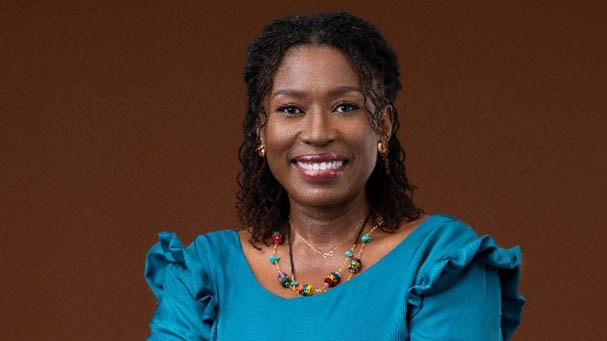
Experts have stressed that achieving gender equity in healthcare leadership is essential for improving service delivery, strengthening health systems, and ensuring inclusive decision-making. across Nigeria’s health sector.
They made the call at the graduation ceremony and gala of the EmpowerHer Health Fellowship, organised by Women in Global Health Nigeria.
In a welcome address, the Co-founder and Chapter Lead of Women in Global Health Nigeria, Dr Peju Adeniran, said the fellowship was created to address the persistent exclusion of women’s voices from leadership spaces.
“This fellowship responds to the status quo where not enough women have their voices in the room. When women are excluded, we fail to utilise at least 50 per cent of our talent pool and miss the perspectives and contributions they bring,” she said.
Adeniran explained that the initiative supports women making contribution to the health sector but may lack the clarity or confidence to amplify their impact, adding that the platform helps them better leverage their work for systemic change.
Delivering the keynote address, Dr Amina Dorayi, the Senior Country Director of Pathfinder International Nigeria, charged the fellows to be resilient, visionary and vocal, noting that women’s leadership in healthcare was critical to building a strong and responsive health system.

She said women’s leadership was not optional but essential to the strength, resilience and future of Nigeria’s health sector, cautioning that resilience should not be confused with silent endurance.
“True resilience is not about enduring injustice quietly. It is about holding your ground when it would be easier to step back, refusing to compromise your values, and returning stronger and more prepared,” Dorayi said.
Also speaking, the Project Officer at Women in Global Health Nigeria, Bukola Shaba, said the fellowship was designed to address the persistent leadership gap faced by women in the global health space.
According to her, Women in Global Health Nigeria is part of a global movement with more than 70 chapters worldwide and has advocated gender equity in health leadership and policy-making since 2020.
“Women deliver about 70 per cent of healthcare services globally, yet they remain underrepresented in leadership. The EmpowerHer Health Fellowship was created to raise a new generation of visible, confident and well-equipped women leaders in global health,” she said.
Shaba noted that gender inequity also affects career progression for community health workers, who are predominantly women but often lack clear pathways to leadership.
Policy change does not happen overnight, but consistent advocacy and collaboration can shift the narrative. When women are empowered and equipped, health systems become stronger and more equitable,” she said.
Shaba added that although the graduation marked the end of the formal training phase, mentorship would continue into the first quarter of 2026, with all fellows remaining active members of Women in Global Health Nigeria.
One of the fellows, a veterinarian and One Health advocate, Dr Bolanle Akanbi, said the fellowship had expanded her capacity to drive change beyond her primary profession.
She said her interest in women’s health made the fellowship particularly relevant, enabling her to collaborate with medical professionals, microbiologists and journalists to improve women’s welfare, mental health and reproductive health. I work with women who rear animals, educating them on how infectious diseases spread and how proper animal care can improve their well-being, income and mental health,” Akanbi said.
Another fellow, Bilkis Lawal, a journalist, the programme strengthened her advocacy for maternal and child health, particularly through the use of indigenous languages to reach underserved. She said the fellowship underscored the importance of inclusive networks, mentorship and digital advocacy in driving change, adding that she was committed to using her platforms to amplify women’s voices and promote gender equity in health.
The one-year funded fellowship admitted 24 women for its inaugural cohort. The programme featured four major training streams, including advocacy, research, leadership and personal branding, as well as the strategic use of social media for influence.
The fellows, drawn from research, academia, health advocacy and senior professional backgrounds, also benefited from mentorship, visibility and confidence-building initiatives aimed at breaking gender barriers in healthcare leadership.
