

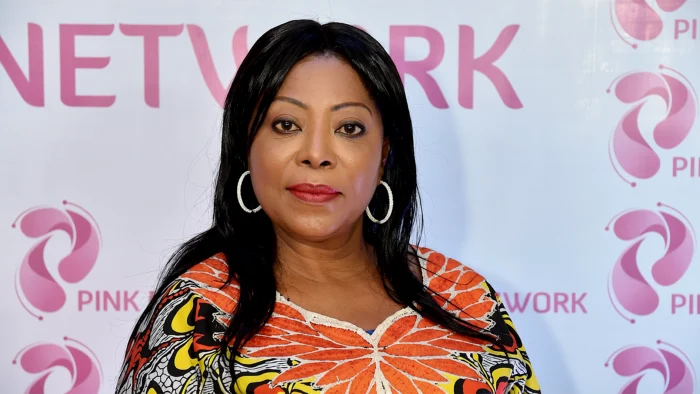
Nigeria must urgently reposition itself by deploying culture as a strategic national asset capable of driving economic growth, strengthening its global reputation, and attracting international investment, Chairman of LASACO Assurance Plc, Olateju Philips declared in her keynote address, “Repositioning Nigeria through Strategic Cultural Engagement,” at the Maiden Cultural Diplomacy Conference in Lagos.
The high-level forum brought together traditional rulers, policymakers, senior government officials, business leaders, cultural practitioners, development partners, academics, and students from universities across Nigeria.
Describing cultural diplomacy as more than soft power, Philips said culture represents “reputation capital” that lowers investor risk, attracts tourism, and builds diplomatic trust. According to her, Nigeria’s globally recognised music, film, fashion, and art industries are not merely entertainment platforms, but strategic ambassadors capable of projecting national standards, creativity, and economic opportunity to the world.
She called for the strengthening of national institutions, increased investment in cultural infrastructure, and robust protection of intellectual property rights, warning that Africa risks losing billions annually through piracy and weak regulatory frameworks. She also advocated a “triple-helix collaboration” involving government, the private sector, and cultural stakeholders as the most effective pathway to unlocking the full economic value of the creative sector.
Philips further noted that countries that successfully leverage cultural diplomacy tend to enjoy stronger global partnerships, improved foreign direct investment inflows, and enhanced tourism visibility. She urged Nigeria to move beyond fragmented cultural policies and adopt a coordinated national cultural strategy aligned with economic planning.
Providing a continental perspective, President of the All-African Association of Small and Medium Enterprises (AASME), Dr Ebiekure Jasper Eradiri, represented by Dr Anire Okogun, emphasised that Africa’s SMEs remain the backbone of cultural trade across the continent. She stated that African entrepreneurs are already practising cultural diplomacy daily through cross-border commerce, innovation, fashion exports, digital content creation, and creative services.
However, Dr Okogun lamented that many of these businesses face persistent challenges, including complex trade regulations, weak digital infrastructure, limited access to financing, and poor market intelligence. She called on African governments to implement harmonised customs systems, establish strong digital trade platforms, and design SME-friendly trade policies that promote inclusive growth and competitiveness.

Convener of the conference, Ambassador Zainab Mohammed, said the initiative was conceived to reposition Africa’s cultural voice within global discourse while building a new generation of cultural diplomats. She disclosed that selected students from participating universities would benefit from structured mentorship programmes, international exposure opportunities, and capacity-building workshops designed to help them tell African stories, shape global narratives, and represent the continent with confidence and professionalism.
She added that the programme aligns with broader efforts to preserve Africa’s cultural heritage while expanding its creative economy, noting that cultural industries have the potential to generate millions of jobs and significantly reduce youth unemployment across the continent.
Speaking on the role of early education, National President of the Association of Childhood Education Practitioners (ACEP), Islamiat Oshodi stressed that cultural consciousness must begin at home and in schools. She urged parents and educators to intentionally instill positive African values in children through language, storytelling, traditional arts, moral instruction, and community engagement.
According to her, African culture promotes strong social values such as respect for elders, communal responsibility, hospitality, and identity, which together provide a foundation for sustainable development and social cohesion.
The Royal Father of the Day, Paramount Ruler of Eleme Kingdom, Rivers State, J.D. Nkpe II, JP, highlighted the enduring relevance of traditional institutions in modern diplomacy. He said traditional rulers remain key custodians of African heritage and play a vital role in preserving values, mediating conflicts, and promoting unity in rapidly changing societies.
He called for stronger partnerships between traditional institutions and government agencies to ensure that cultural preservation efforts are properly funded, documented, and integrated into national development frameworks.
Also in attendance was Alhaja Sinatu Aderoju Ojikutu, Nigeria’s first elected female Deputy Governor, who urged political leaders to embed cultural consciousness into governance processes. She warned that leadership divorced from cultural identity risks eroding national values, weakening social bonds, and undermining long-term development.
Other speakers included Director-General of the Nigerian Institute of International Affairs (NIIA), Prof. Eghosa Oshahae who spoke on bridging nations through cultural diplomacy; Founder of the Nigeria Network of NGOs, Ms Yemisi Ransome-Kuti, who highlighted the role of civil society in shaping cultural narratives; and President of Women in Fashion Tech, Mrs. Yekeene-Ajani who encouraged young people to view culture as a tool for entrepreneurship, innovation, and global relevance.
Head of Public Affairs at NIIA, Mrs. Helen Onwuatu, described culture as a strategic asset for nation-building, stating that cultural diplomacy strengthens people-to-people relations, deepens mutual understanding, and enhances Nigeria’s credibility in international engagements.
Beyond policy discussions, the conference showcased Africa’s creative energy through performances and exhibitions. Barrister Adeyinka Titilayo Adeyafa delivered powerful spoken-word poetry celebrating African identity, resilience, and history, while Engr Oyama Osam Ntun thrilled participants with an Africa Ekuum Bass performance that blended traditional rhythms with contemporary sound.
Fashion parades, cultural dances, and traditional displays further reflected the diversity and richness of African heritage, reinforcing the message that culture remains one of Africa’s strongest assets in the global arena.
Stakeholders at the event concluded that cultural diplomacy, when strategically aligned with economic policy, institutional reform, and youth empowerment, offers Nigeria and Africa a sustainable pathway to global influence, economic competitiveness, and long-term development.
