

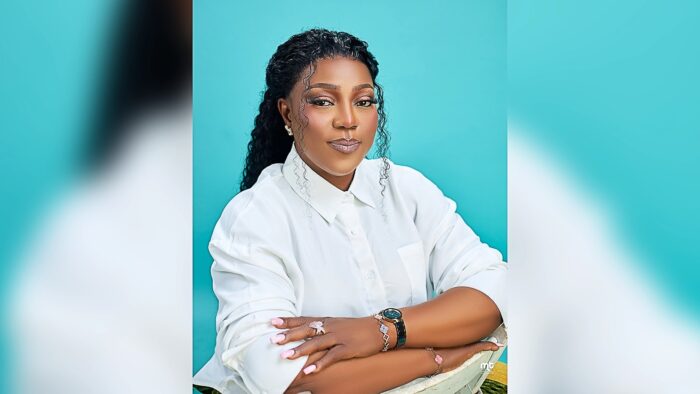
Tola Makinde, Founder and Executive Director of Morainbow Down Syndrome Foundation, is an educator, humanitarian and certified Early Intervention Specialist committed to improving the lives of children with Down syndrome. Through her foundation, she advocates for inclusion, dignity, education and protection of persons living with the condition. She collaborates with Save Down Syndrome Inc. in the United States to develop educational resources and campaign against the mistreatment, abuse and alleged genocide of people with Down syndrome. Her organisation is also a member of Down Syndrome International, UK. In this interview, Makinde discusses her motivation and advocacy.
What is the inspiration behind Morainbow Down Syndrome Foundation?
Morainbow Down Syndrome Foundation was born out of a deeply personal journey. As a parent of a child with Down syndrome, I experienced firsthand the uncertainty, lack of information, limited support systems, and the many misconceptions that surrounded the condition. While navigating those early years, I realised that no family should have to walk that path alone. My heart was broken and my whole world stopped after my daughter’s diagnosis. What began as a desire to support my own child gradually evolved into a commitment to creating opportunities for many others. I also felt blessed that I could make huge sacrifices for my daughter which had a positive impact on her health and overall outcome.
Leaving a six-figure job in 2011, getting various trainings abroad and leaving the country for a while for specialised care, was all part of God’s plan. There were moments of down time, low self-esteem, denial and depression yet, I saw through the eyes of pain that it was only a test of my faith. God had given me beauty for ashes although it was difficult to see that having a child like Moyin is a blessing in disguise. I wouldn’t be telling this story of how I turned my mess into a message today. Morainbow was established to ensure that children and young people with Down syndrome are given access to quality education, therapy, vocational training, healthcare advocacy, and, most importantly, the opportunity to live meaningful and fulfilling lives. Our vision has always been to build an inclusive society where individuals with Down syndrome are recognised not by their diagnosis, but by their abilities, potential, and contributions.
What were the initial challenges when you started and how has the journey been so far?
Like many organisations pioneering a cause that was not widely understood, one of our biggest challenges was changing mindsets. There was very little awareness about Down syndrome, and many families struggled with stigma, isolation, and misinformation. Access to specialised educational support and therapeutic services was also extremely limited. Another challenge was funding. Building sustainable programmes that truly meet the needs of children and families requires significant resources, and in the early years we relied heavily on the generosity of individuals who believed in our vision. I was out to preach about early intervention because I was already seeing benefits of all I had begun to do with my daughter since birth when she clocked three. Despite these challenges, the journey has been incredibly rewarding.

Over the years, we have watched children exceed expectations, families regain hope, and communities begin to embrace inclusion more intentionally. We have expanded our programmes, partnered with organisations and professionals who share our mission, and continue to advocate for policies and practices that improve the lives of people with Down syndrome.
There is still much work to be done, but every milestone reminds us that change is possible when people choose inclusion over prejudice.
Can you talk about your new project, Rainbow Readers Room? What is it all about?
Rainbow Readers Room is a specialised one-on-one literacy programme designed to help learners with Down syndrome and or learning difficulties develop strong reading skills through personalised plan and systematic instructions. It’s a paid service that provides families with access to focused, evidence-based reading support tailored to each child’s individual learning needs meeting the child where they are and working with them through the journey. Research and experience have particularly shown that children with Down syndrome can become successful readers when taught using approaches that leverages on their strengths. However, access to specialised literacy instruction remains limited for many families.
Through Rainbow Readers Room, each child works individually with a trained reading instructor using structured, engaging, and research-informed strategies that promote reading, language development, comprehension, and communication. The one-on-one format allows lessons to be paced according to each child’s unique abilities, helping them build confidence while making meaningful and notable progress as time passes. For us, this is more than learning to read. It’s magical. Literacy opens doors to greater independence, improved educational outcomes, increased confidence, and fuller participation in everyday life. Rainbow Readers Room is our way of ensuring that more children have access to the specialised support they need to reach their full potential.
What misconceptions do you think society has about Down syndrome?
One of the biggest misconceptions is that people with Down syndrome are incapable of learning, working, or living productive lives. This is a misconception. Individuals with Down syndrome can learn, achieve academic success, develop careers, build meaningful relationships, and contribute significantly to their communities when they are given the appropriate support and opportunities. Another misconception is that they are all the same. Like everyone else, each individual has a unique personality, talents, interests, strengths, and aspirations. Perhaps the most harmful misconception is that a diagnosis limits a person’s future. In reality, it is often society’s low expectations and lack of inclusion not Down syndrome itself that create the greatest barriers.
What roles can society play in helping people with Down syndrome?
Building an inclusive society is everyone’s responsibility. Schools should embrace inclusive education where children with and without disabilities learn alongside one another. Employers should recognise the value and abilities of individuals with Down syndrome and provide meaningful employment opportunities. I can say this possible as a trained Job coach. Healthcare professionals should ensure families receive accurate information and compassionate support from the point of diagnosis. Government institutions have an important role in implementing inclusive policies, improving access to healthcare and education, and strengthening social protection systems. Communities can also make a tremendous difference by treating individuals with Down syndrome with dignity, respect, and acceptance. Inclusion is not about charity; it is about recognising equal rights and equal opportunities for every individual.
In our society, what challenges do you think parents and guardians encounter in raising a child or children with Down syndrome?
Many parents begin their journey facing fear and uncertainty, often because they receive little information or emotional support after diagnosis. Lack of funds and the shock receiving this news also causes a setback as families do grief the child they would have had (without Down syndrome). It’s usually a roller-coaster of emotions and all they feel and experience are valid. Stigma remains a significant challenge. Some families experience discrimination, social isolation, or pressure to hide their children because of deeply rooted cultural bias and misconceptions about disability. Access to specialised education, therapy, healthcare, and inclusive recreational opportunities can also be difficult and expensive. Many parents must travel long distances or bear substantial financial costs to secure the services their children need. Beyond these practical challenges is the emotional burden of constantly advocating for their child in systems that are not always designed to be inclusive. This is why family support networks, community awareness, and stronger public policies are so essential. In all, availability of funds to care for the child and their other children is a major challenge.
What is your advice to parents and caregivers?
First, know that a diagnosis is not the end of your child’s story; it is simply the beginning of a different journey. Believe in your child’s potential. Celebrate every milestone, no matter how small it may seem, and focus on abilities rather than limitations. Early intervention, consistent learning opportunities, and a nurturing environment can make a remarkable difference in a child’s development. I also encourage parents not to walk the journey alone. Seek support from organisations, professionals, and other families who understand your experience. There is strength in community, and shared experiences often provide both practical guidance and hope. Finally, become your child’s greatest advocate.
Speak up for inclusion, expect quality education and healthcare, and never allow society’s expectations to define your child’s future. Every child deserves the opportunity to learn, thrive, belong, and contribute meaningfully to society.
Don’t look away when you smell any form of abuse. Trust the process and embrace your journey.
