 Follow Us on Google News
 Follow Us on Google Discover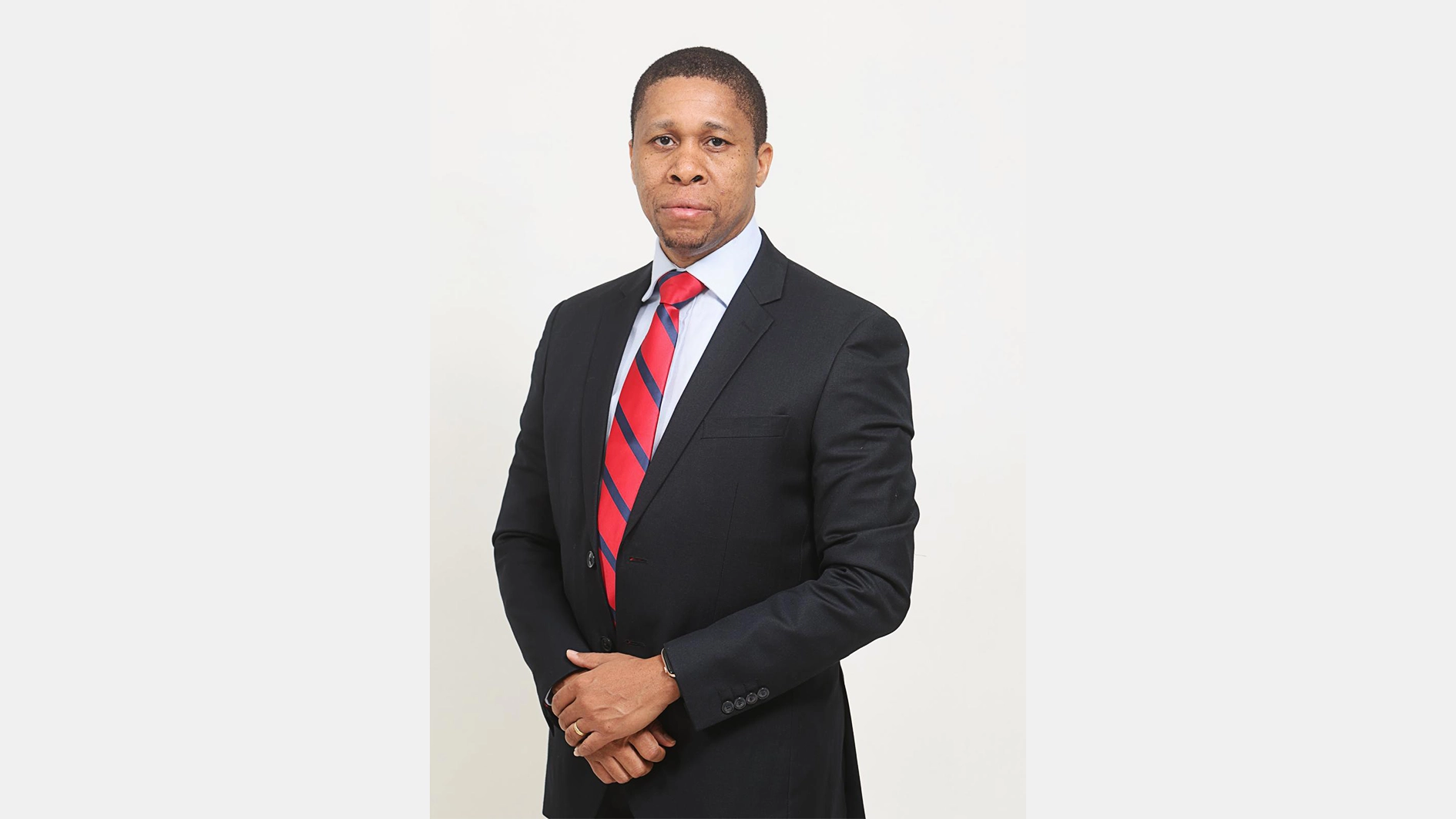
“Nigerian organizations do not generally suffer from a shortage of ambition,” says Omagbitse Barrow. “The more persistent problem is the institutional capability to convert that ambition into sustained results.”
It is a challenge Barrow has examined from several perspectives during a career spanning more than two decades. He has worked as an investment banker, pension fund manager and senior human resource management practitioner. He has advised organizations on strategy and transformation, developed leaders, taught managers and built technology platforms that seek to institutionalize effective management practices.
Barrow is the Chief Executive of Learning Impact Model Limited. Learning Impact combines management consulting, corporate training, life-skills education and organizational technology. Its solutions include S-Tracker, 360 Feedback Solutions, Online Learning Impact, Life Skills Africa and EPaperVendor.
A chartered accountant and first-prize winner in the ICAN examinations in 2000, Barrow’s intellectual and leadership foundations were shaped at King’s College Lagos, University of Lagos and the University of the West Indies. He has contributed to professional development through ICAN, NITAD, and CIPM, while extending his ideas through newspaper columns, executive education, local and international conferences, university teaching and scholarly publications.
In this interview, he discusses why strategies fail, what boards should demand from management, Africa’s need to build its own management solutions and why the country’s talent problem must be addressed long before recruitment.
You say Nigerian organizations do not lack ambition. What, then, is missing?

In many cases, what is missing is the organizational system required to convert ambition into results. Organizations develop bold strategies, announce transformation programmes and set impressive targets. However, the supporting elements are not always aligned. Employees may not understand the strategy, managers may lack the capability to execute it, performance systems may reward the wrong behaviours and departments may pursue competing priorities.
Execution is not one activity. It is the combined effect of leadership, systems, communication, culture, innovation and accountability. When results fall below expectations, organizations frequently respond by changing the strategy or organizing another retreat. But the real problem may be that the existing strategy was never properly translated into departmental priorities, initiatives, measures and individual responsibilities.
What should boards be asking about strategy execution?
Boards should move beyond receiving polished strategy updates and ask for credible evidence supporting the reports presented to them. If management reports that an initiative is 80 per cent complete, what does that mean? What milestones have been achieved? What evidence supports the claim? What risks or dependencies remain unresolved? Has the initiative produced the expected outcome, or has the organization merely completed several activities?
Boards should also distinguish between operational performance and strategic progress. An organization may be meeting its immediate financial targets while failing to develop the capabilities, products, talent or market position required for future success.
Who are the types of organizations you have supported in the past, and which projects have had the greatest impact?
Our typical clients are leading organizations across the public, private and not-for-profit sectors across various industries – mostly financial services, telecommunications, fast-moving consumer goods, healthcare, and the energy sector. We continue to serve leading brands like Flourmills, Leadway, Stanbic IBTC, GT Bank, Ecobank, FCMB, NRS, NDIC, MTN, EmPLE, Engie, and countless others. Some of the work that we are most proud of include supporting the Corporate Affairs Commission with a transformative strategy that helped Nigeria climb the global ranking on ease of doing business in 2015 and beyond. Also, the work we did with Exxon Mobil and the US-based PanAfricare to support life skills education for children and youth for ten years in Abuja as well as helping bridge a critical succession and talent gap at the Nigerian Deposit Insurance Corporation by implementing a workplace mentoring program. I also thoroughly enjoyed participating at a personal level in the advocacy work done by Lux Terra Leadership Foundation on behalf of the MacArthur Foundation and other donors to support good governance and anti-corruption in Nigeria and working with the Blair Foundation to support organizational development at the Nigerian Center for Disease Control (NCDC). This doesn’t mean that the various initiatives and interventions for other clients were not important, but these ones really stand out.
Why should African companies build management technology rather than depend entirely on foreign solutions?
African organizations should use the best solutions available, regardless of where they originate. But Africa cannot remain only a consumer of management knowledge and technology. Our organizations operate within distinctive regulatory, infrastructural, cultural and economic environments. Locally developed solutions can reflect those realities while still meeting global standards.
Building our own intellectual property also creates jobs, develops technical capability and allows African businesses to participate more meaningfully in the global digital economy. We should be able to take ideas and products developed from African experience to other parts of the world.
Learning Impact offers several solutions. How do they fit together?
They are connected by the problems we encounter in organizations. For example, S-Tracker supports strategy execution and accountability. Our 360 Feedback Solutions help leaders understand how their behaviour is experienced by colleagues, employees and other stakeholders. Online Efiko expands access to structured learning, while EPaperVendor helps individuals and organizations access newspapers and knowledge resources digitally.
Our consulting work covers corporate strategy, organizational transformation, performance management, leadership development, human resource management, corporate training and culture change. These are not unrelated services and products.
They address different parts of the same organizational system. A company may need a clearer strategy, but it may also need stronger managers, better communication, aligned HR practices and technology that provides visibility over execution.
You have worked extensively with Nigeria’s pension industry. What can other sectors learn from it?
The pension industry demonstrates what can happen when regulation, institutional development, professional capability and long-term thinking come together. I entered investment banking and pension fund management at IBTC, now Stanbic IBTC, between 2001 and 2010. My pension experience coincided with an important period in the development of the industry, and I had the privilege of participating as one of its pioneers. Over the last sixteen years, I have subsequently served almost every major pension industry player in one capacity or another. Our work has covered corporate strategy, leadership development, performance management, customer experience, talent development, organizational culture and corporate training.
The industry has made significant progress, but it cannot become complacent. Pension organizations manage long-term promises and depend heavily on public trust. Their future will require stronger governance, improved customer engagement, innovation, capable leadership and sustained investment in people and technology.
Other sectors can learn from the importance of building institutions, not merely successful businesses.
Why did you move beyond corporate learning into life-skills education?
We became increasingly concerned about the education-to-workplace gap. Employers complain about weak communication, limited critical thinking, poor work habits, inadequate collaboration and insufficient professional awareness among some school-leavers and graduates. Most organizations attempt to address these deficiencies after recruitment.
We decided that intervention should begin earlier. Life Skills Africa is our effort to backward-integrate into the talent pipeline. It focuses on helping children and young people develop communication, confidence, creativity, collaboration, problem-solving and personal effectiveness.
You frequently refer to evidence-based management. Why does it matter?
Organizations sometimes adopt practices because they are fashionable, because a successful company uses them or because a persuasive speaker recommends them. But popularity is not the same as evidence.
Evidence-based management requires leaders to consider the best available research, organizational data, professional expertise and the perspectives of affected stakeholders before making important decisions.
This does not mean research provides an automatic answer to every management problem. Context still matters. What works in one organization may not work in another. The discipline is to examine the evidence, test assumptions and avoid treating management fashions as universal truths.
What prepared you to work across so many professional fields?
The foundation was laid early. First at Nigeria’s best primary school (laughs) – Nazareth Primary School in Festac Town in Lagos (I always say that about that school – it was just amazing) Then, King’s College Lagos helped shape my ideas about excellence, leadership, confidence and responsibility. The University of Lagos broadened my worldview and strengthened my intellectual independence.
I have also remained curious, and I am very focused on three attributes – hunger, ambition and innovation. Moving from accounting and finance into HRM, consulting, education and technology required a willingness to learn repeatedly and work with people whose expertise differed from mine. I am not afraid of not being the smartest person in the room each time I start a new venture or area.
What values are most important to you?
Three words – simplicity, service and sacrifice. I believe deeply in these leadership behaviours. I recognize that I am not quite there, but they represent the values that I hold on to the most in my life.
What would success ultimately look like for you and Learning Impact?
Success would mean building an African management consulting and technology company whose ideas and solutions are respected globally. It would mean helping organizations formulate better strategies, execute them more effectively and build leadership and management systems that outlive individuals.
But success cannot be measured only by the size of Learning Impact. I would like our contribution to be seen in the institutions we strengthened, the leaders we developed, the young people we prepared, the management ideas we advanced and the potential we helped unlock.

