


When Anita Precious left her job to pursue her own business, she had little certainty about what would happen next. She had no detailed plan and no clear picture of how everything would come together. What she remembers is the conviction that she would find a way.
“I knew that I was going to take this business seriously and try to find my way,” she says.
Nearly a decade later, the founder of Noani can trace her progress through a series of lessons about responsibility, money, people and herself. Her business has expanded into interiors, home products, consulting and design education. Along the way, she has learned to give her team greater ownership and herself permission to keep learning.
At the beginning, independence was part of the appeal. She had recognised early that a conventional nine-to-five environment did not suit her. Running a business would eventually give her a fuller understanding of what working for herself involved.
“Obviously, I’m a business owner and everybody is my boss right now,” she says.
Behind the humour is an appreciation of the obligations that come with building something of her own. Clients have expectations. Employees need direction. Decisions carry financial consequences. She discovered much of this through experience, sometimes at considerable personal cost.

One early commission remains particularly vivid. A client had rented a house, approved a design and quotation, and production was underway. Then the client decided to move to another property. She wanted Anita to sell the furniture already being produced and use the proceeds towards furnishing the new home.
Anita agreed. At the time, she struggled to recognise where her responsibility ended and what she could reasonably decline. Selling the pieces proved difficult, the situation became drawn out, and she incurred debt. Eventually, she bought one of the television units herself to help resolve matters.
Looking back, she recognises how much that decision reflected her desire to please. “I didn’t have strong boundaries,” she says.
There were other difficult adjustments. She had imagined that clients would arrive steadily once money, she returned to painting, sold artwork and took on other work.
The experience prompted her to think more broadly about revenue. Her creative skills could support several kinds of work, and the business needed ways to earn between interior projects. That understanding would later inform Noani’s expansion.
View this post on Instagram
Building a more stable company also required structure. Anita began creating standard operating procedures and examining how she hired. Knowing something about every part of the business had helped her get started. As the company developed, she wanted people with deeper expertise in the responsibilities they were taking on.
Interviews became more focused on what candidates could contribute, how well they communicated and whether they could work within a team. In a profession involving clients, suppliers and numerous moving parts, communication became a central consideration.
Hiring capable people brought another lesson: she still had to let them take responsibility.
Even with competent employees around her, Anita found herself micromanaging. She began repeating a commitment to herself and to new hires: “I don’t micromanage.” Putting that intention into practice meant allowing employees to make decisions within their roles, including when they approached her for answers she believed they could reach themselves.
She wanted intentionality and accountability. She also had to trust the people she had chosen.
The change created mental space. With fewer small decisions demanding her attention, she could think about where the company might go next.
Noani launched a bedding line, expanded into creating and selling furniture, and began developing a pillow line. Its services grew to include consultations, project consulting and project management on a larger scale. Through The Designer Framework, Anita also began teaching emerging interior designers about design practice and the realities of running a business.
She describes that work as fulfilling. The lessons she once had to discover through trial and error had become knowledge she could share.
There was also more room to cultivate her own public presence. Anita credits the growth of her personal brand with bringing greater recognition and contributing to the business’s commercial progress. The opportunities and rooms she has entered still surprise her.
Yet becoming someone others regard as competent has made her increasingly willing to speak.
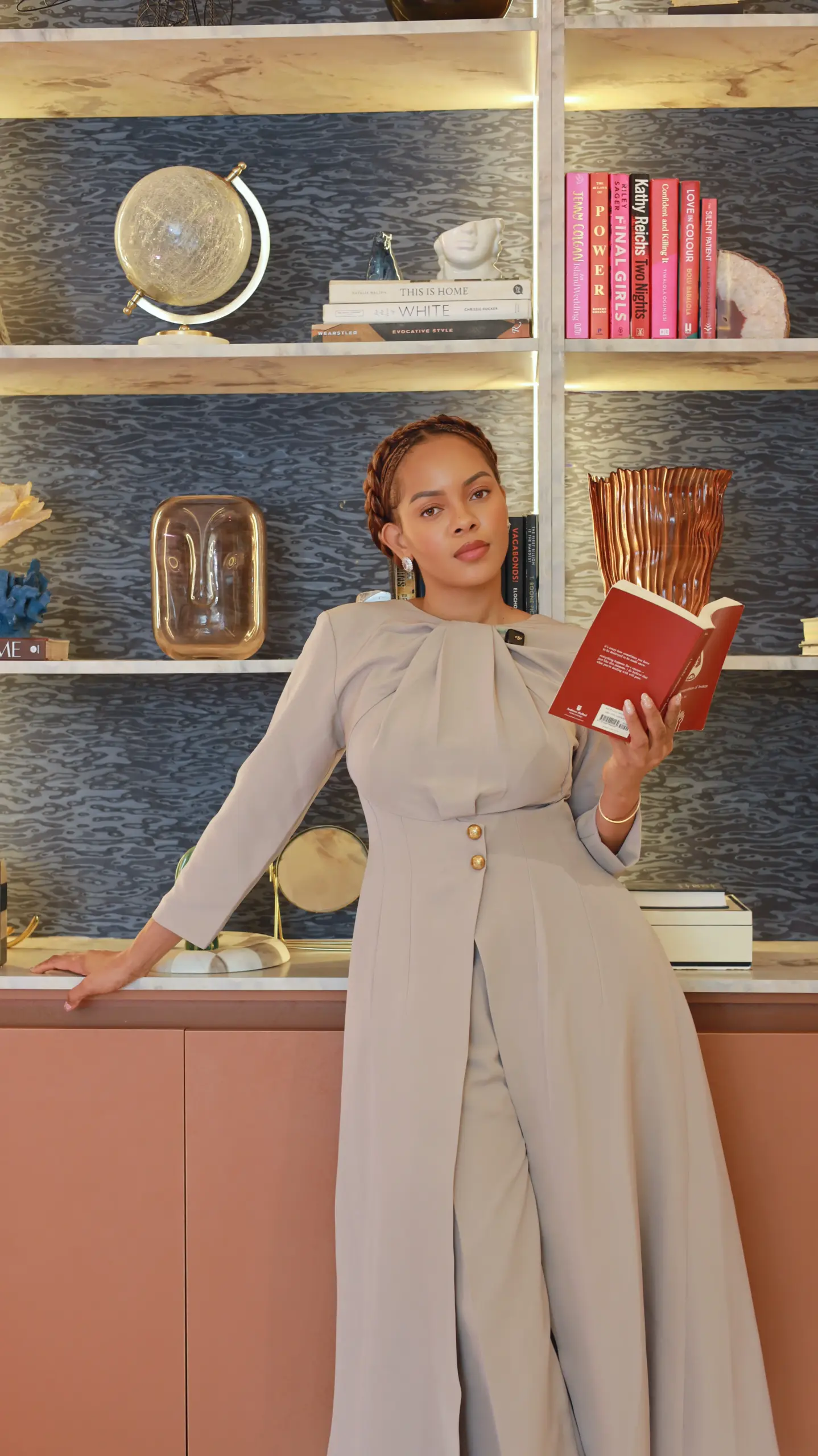
“I don’t have it all figured out,” she says.
She speaks openly about emotional days, mistakes and the ongoing process of learning. Earlier in life, she had looked at entrepreneurs and assumed they knew exactly what they were doing. Her own experience has given her a more forgiving understanding of growth.
“This is my first life,” she says.
Accepting that has allowed her to feel freer: to learn, to make mistakes and to be herself while continuing to carry responsibility.
Asked what she is proudest of, Anita points to becoming known for her work. The recognition once felt beyond anything she could imagine. Her ambitions now increasingly centre on the people who have helped make that progress possible.
View this post on Instagram
She wants to grow her team and improve their wellbeing. Better bonuses, stronger financial rewards and a happier working environment are priorities she returns to when considering the company’s future.
“How can I bring my happiness that I currently feel into the company itself?” she asks.
It is a question that gives her next chapter a clear purpose. Having built a business through conviction, difficult lessons and increasing self-trust, Anita wants its continued growth to create more opportunity for the people building it alongside her.
