

 Get Guardian on Google
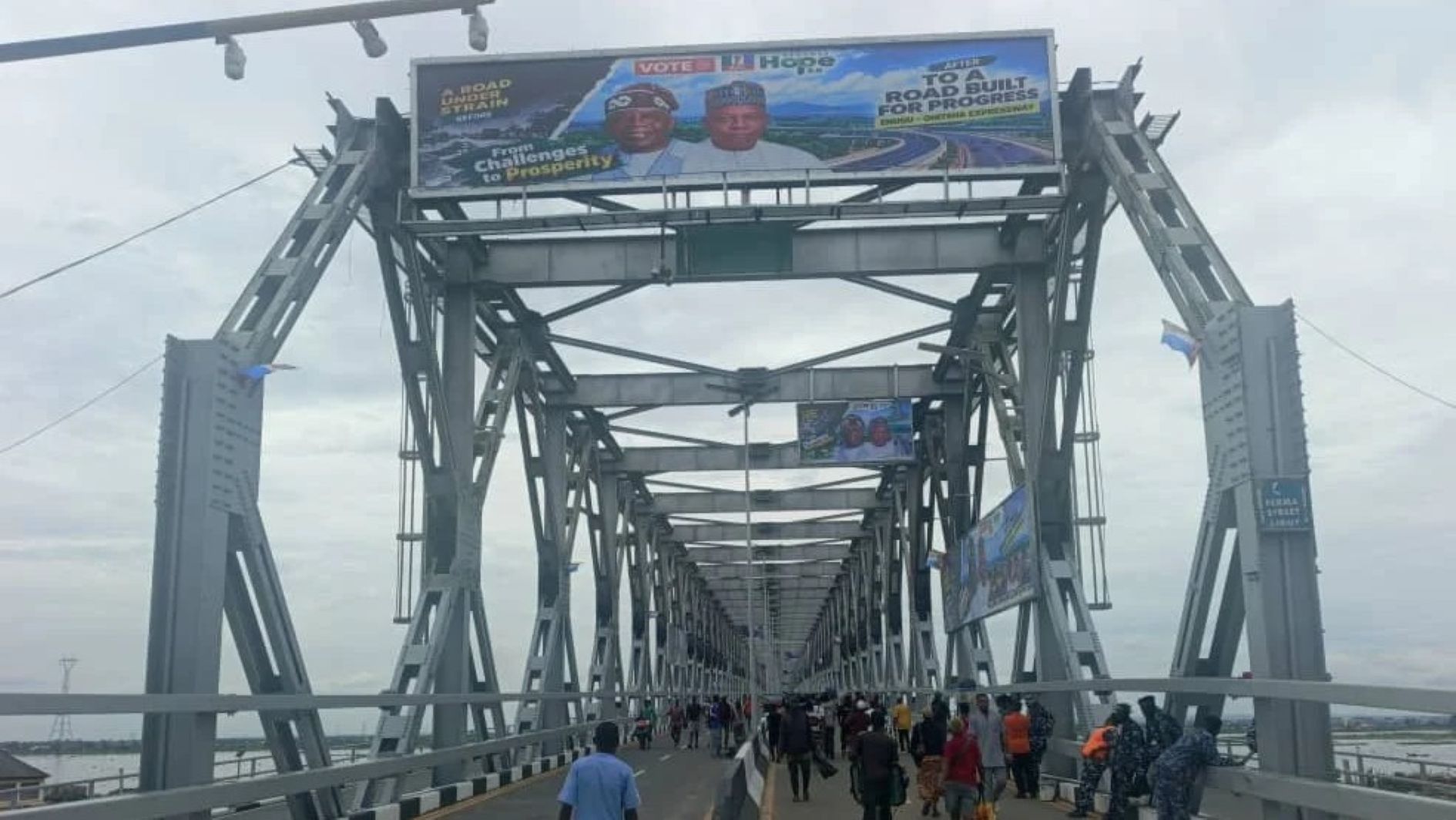
The reopening of the First Niger Bridge, linking Asaba, Delta State, and Onitsha, Anambra State, after extensive rehabilitation is a welcome development expected to boost socio-economic activity along and across the corridor.
The installation of solar-powered streetlights, Closed-Circuit Television (CCTV) cameras, median barriers and designated turnaround points should improve traffic management and the safety of road users. The next priority should be the long-term preservation of this strategic transport link, which requires more than rehabilitation and technological interventions. It demands effective maintenance and strict enforcement of regulations by the government, just as the support of citizens is crucial for the protection of the infrastructure.
Public infrastructure, including roads, bridges, drainage systems, water facilities and government buildings, is financed largely with taxpayers’ money to serve the collective interest. Its destruction or deterioration imposes costs on society, diverting scarce resources from other essential services to repairs and reconstruction. Protecting these assets should be a shared responsibility between the government and members of the public.
Unfortunately, vandalism, theft and misuse continue to undermine public investments across the country. The theft of electrical cables, destruction of road signs, damage to streetlights and indiscriminate dumping of refuse in drainage channels reflect a troubling disregard for shared assets. Such actions directly or indirectly disrupt essential services, threaten public safety and increase the cost of governance.
The reported removal of bolts from the First Niger Bridge’s steel components, cited by the Minister of Works, David Umahi, for the rehabilitation work illustrates the potential consequences of vandalism. Bridges depend on the integrity of their structural components, regular engineering assessments and proper maintenance. Interference with these elements can compromise safety and expose thousands of motorists to danger.
The minister’s concerns about indiscriminate sand dredging around the bridge also highlight the need to regulate activities that could threaten its foundations. Restrictions on dredging around critical infrastructure must be supported by technical assessments, clearly communicated to affected communities and consistently enforced. Public officials responsible for protecting these assets must be held accountable for any negligence or failure to discharge their duties.
The introduction of CCTV cameras and solar streetlights is a step in the right direction, but technology alone cannot guarantee security. Surveillance equipment must be operational, monitored and linked to effective response mechanisms. Streetlights require regular servicing, while damaged cameras and other security installations must be repaired promptly. Without adequate funding, competent personnel and clear maintenance responsibilities, these investments could become ineffective.
Besides technology, government must promote community ownership of public infrastructure.
Residents, traditional institutions, transport unions, traders, businesses and community associations operating around major infrastructure corridors should be encouraged to participate in the protection. Their familiarity with local activities can help uncover the activities of vandals and promptly alert the relevant authorities to avert possible danger.
Communities around the First Niger Bridge, for instance, can support security agencies by reporting theft of its components, illegal dredging and damage to safety installations. Transport operators who use the bridge regularly can also report defective barriers, failed streetlights and other hazards. Such participation should complement, not replace, the government’s statutory responsibility for infrastructure security and maintenance.
To make this approach effective, authorities should establish accessible channels for reporting incidents and ensure that credible reports receive prompt attention. Public education through community meetings, schools, transport associations and local media can help citizens understand the economic and safety implications of vandalism. When people appreciate the value of public assets and have a meaningful role in protecting them, collective responsibility becomes more achievable.
Those caught stealing, damaging or deliberately interfering with public infrastructure should face appropriate legal consequences. Investigations must be thorough, and prosecutions should follow where evidence supports the perpetration of the crime. Public officials who collude with offenders or deliberately neglect their responsibilities must also be held accountable.
The directive to enforce restrictions on sand dredging around the First Niger Bridge must go beyond official pronouncements. Relevant agencies should conduct regular inspections, monitor compliance and take appropriate action against violators. The boundaries of restricted areas and the applicable regulations should be communicated clearly to operators and surrounding communities.
Enforcement must be consistent and transparent rather than dependent on occasional ministerial visits.
Equally important is the need to move from reactive repairs to preventive maintenance. Nigeria’s infrastructure management has too often followed the costly cycle of construction and rehabilitation after deterioration. Federal and state governments should adopt long-term asset management plans that provide for routine inspections, timely repairs, independent engineering assessments and dedicated maintenance budgets.
For major bridges, this should include monitoring structural conditions, enforcing load limits for motorists, repairing damaged components and controlling activities that could undermine foundations. Similar measures should apply to roads, public buildings, drainage systems and other essential facilities across the country. Maintenance expenditure and contractor performance should be properly documented and subjected to appropriate oversight.
Public accountability is indispensable to this process. Citizens deserve to know the cost of infrastructure projects, the quality of work delivered and the arrangements for maintaining completed facilities. Professional bodies, civil society organisations and the media can help scrutinise government performance, expose negligence and promote responsible management of public assets.
The proposed redesign of the Benin-Asaba Expressway and the planned reconstruction of sections of the East-West Road underscore the scale of investment required to improve the transportation network. New construction will not deliver lasting value if completed projects are subsequently neglected or vandalised. The success of infrastructure should not be measured only by its completion but also by the durability, safety and continued usefulness.
Nigeria cannot afford to keep deploying scarce resources to repair damage that could have been prevented through responsible citizenship, and effective enforcement of the law and routine maintenance. The CCTV cameras and other technologies are valuable tools, but their effectiveness depends on the seriousness of the installing institutions and communities supporting them.
The First Niger Bridge belongs to the Nigerian people, as do the country’s other public assets.
Preserving them requires a national culture in which government institutions perform their official duties, communities take responsibility for their surroundings and destroyers are dealt with accordingly.







