
 Get Guardian on Google
Held from October 26 to 30, 2026, the five-day initiative brought together stakeholders from government, financial institutions, the private sector and civil society to explore opportunities for collaboration, enterprise development and sustainable climate action across the continent.
Organised in collaboration with the Global Climate Week Network, Climatebase, Frontier Access and Olije Climate, the event marked the introduction of the global movement’s city-led climate week model to Africa, positioning Lagos as a platform for advancing climate conversations and partnerships.
Speaking on the significance of the initiative, Founder of Frontier Access and co-organiser of CCW, Kevwe Jefia, said Africa must move beyond participating in global climate discussions to actively shaping policies, investments and solutions that reflect its development priorities.
“Leading the expansion of the Climate Week movement into Africa demonstrates that the continent is ready to take a more active role in shaping the global climate agenda, not just participating in it.
“It is an opportunity to build platforms that reflect Africa’s priorities, mobilise partnerships and advance locally driven solutions,” Jefia said.
Sponsored by United Bank for Africa (UBA) Plc, the initiative also received support from institutional partners and collaborators, including Impact Hub Lagos, the National Agency for Science and Engineering Infrastructure (NASENI), Nigeria Climate Innovation Centre and Greenco Capital.
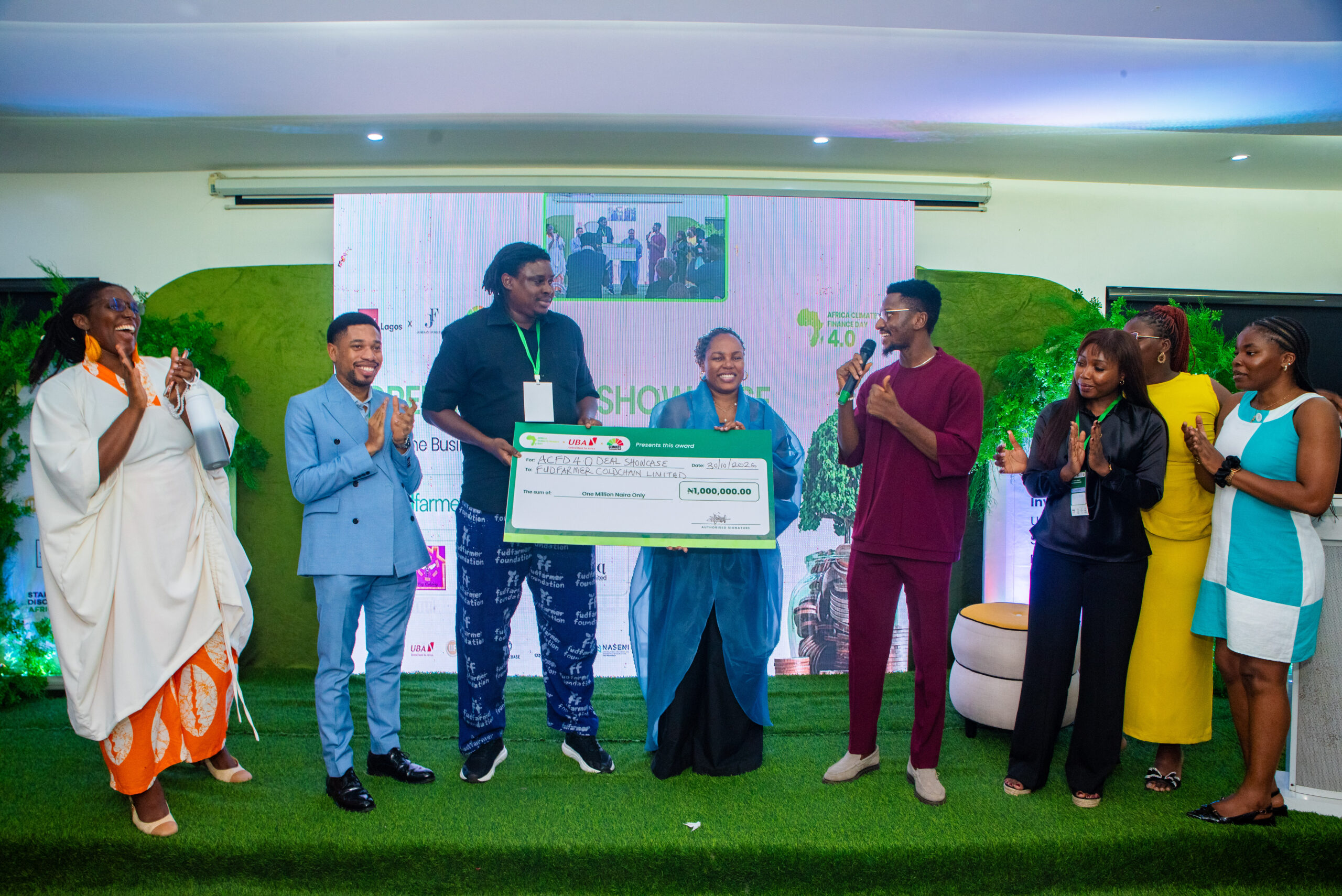
A major highlight of the week was the Africa Climate Finance Day, organised by Impact Hub Lagos and Jordan Forester in partnership with Climate Convergence Week.
The event provided a platform for climate-focused startups to showcase innovative solutions, pitch their business ideas and explore funding opportunities. The top-performing startup received a grant to support the expansion of its climate solution.
Organisers noted that improving access to climate finance and strengthening support for emerging enterprises remain critical to accelerating Africa’s transition towards a more sustainable and climate-resilient economy.
Co-organiser of CCW and representative of Olije Climate, Dominic Ochapa, emphasised the importance of collective responsibility and sustained partnerships in addressing the continent’s climate challenges.
“Building a strong climate movement requires collective action, stronger partnerships and local leadership. Climate Convergence Week provides a platform to bring these elements together and advance climate action across Africa,” Ochapa said.
Beyond the discussions and investment opportunities, the organisers said the initiative was designed to strengthen Africa’s climate innovation ecosystem by connecting entrepreneurs, investors, policymakers and development institutions.
With preparations underway for the 2027 edition, Climate Convergence Week is seeking partnerships with businesses, investors, development organisations and other institutions committed to advancing climate action, supporting climate enterprises and expanding access to climate finance across Africa.