 Follow Us on Google News
 Follow Us on Google Discover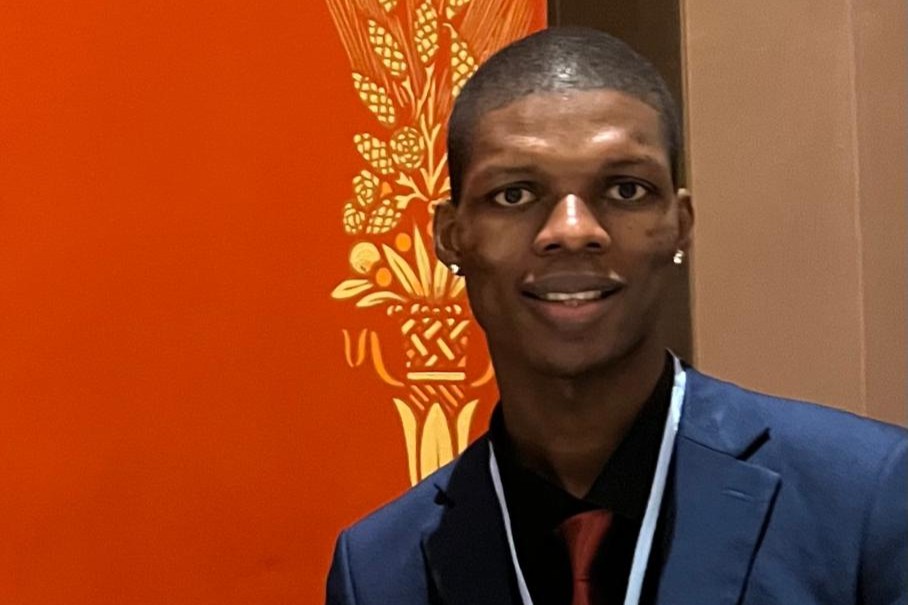
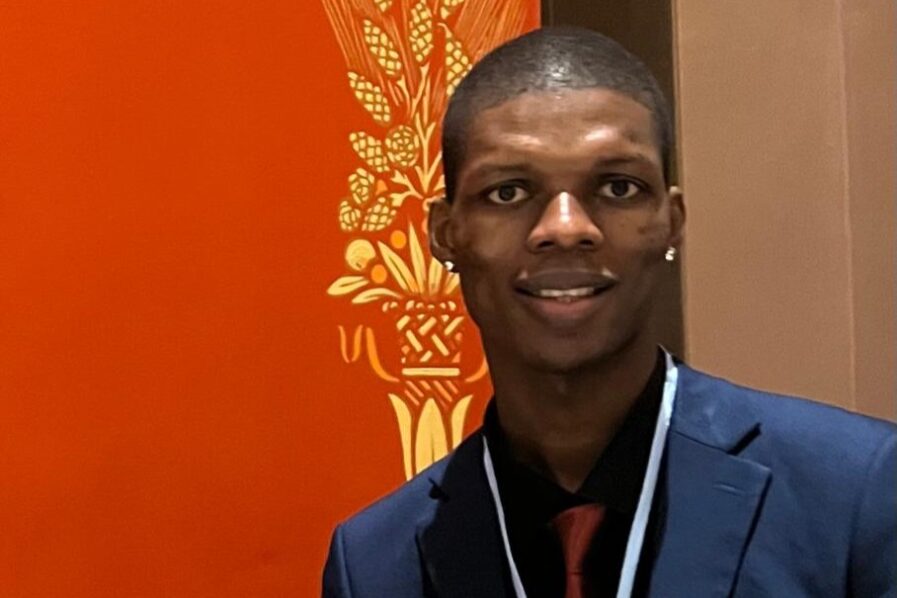
A U.S.-based business researcher, Ebuka Aniebonam, has highlighted the critical role of leadership styles in driving business success, emphasizing the significance of both transformational and transactional approaches.
Speaking on the ongoing debate regarding the most effective leadership style, Aniebonam explained that transformational leadership, first introduced by James MacGregor Burns in 1978, goes beyond routine management by inspiring and motivating teams. He described transformational leaders as visionaries who foster creativity, innovation, and personal growth within their organizations.
READ MORE: Funke Dacosta-Salu, OAU’s finest, earns spot on IAEA Lise Meitner Programme
“These leaders do more than manage employees; they instill a sense of vision and purpose, fostering an environment where creativity thrives,” Aniebonam said. He noted that transformational leaders often exhibit charisma, lead by example, and inspire confidence among their teams. Additionally, they provide individualized attention, mentoring employees to help them achieve their full potential. By challenging the status quo and encouraging innovative problem-solving, transformational leadership fosters trust and enhances organizational innovation.
In contrast, transactional leadership relies on structure, order, and a performance-driven reward system. Aniebonam explained that this approach is built on clear roles, rewards, and penalties to maintain efficiency. “Transactional leaders focus on goal-setting and policy adherence, intervening only when performance standards are not met—a system known as management-by-exception,” he stated.
Key aspects of transactional leadership include contingent rewards, where employees receive incentives for meeting specific objectives, and structured oversight to ensure operational efficiency. This leadership style is particularly effective in high-stakes environments such as military operations and large corporations, where strict adherence to policies and procedures is essential.

When asked which leadership style is superior, Aniebonam asserted that effective leadership is not a one-size-fits-all approach. “The most successful leaders blend both styles—leveraging transformational leadership to inspire and drive innovation while using transactional methods to maintain operational efficiency,” he noted.
For organizations seeking long-term growth, striking a balance between visionary leadership and structured management is key. Aniebonam emphasized that the real challenge for today’s leaders is determining when to inspire and when to enforce discipline.
READ MORE: Kwara inks partnership deals with NEXIM to boost export-related industrialisation
“Leadership ultimately shapes the future of businesses and societies,” he concluded. “While transformational leaders fuel progress, transactional leaders ensure stability. The best leaders navigate both worlds, balancing vision with execution.”
As companies adapt to rapidly changing environments, leadership styles will continue to evolve, but the need for a well-rounded approach remains crucial.

