 Follow Us on Google News



 Follow Us on Google Discover
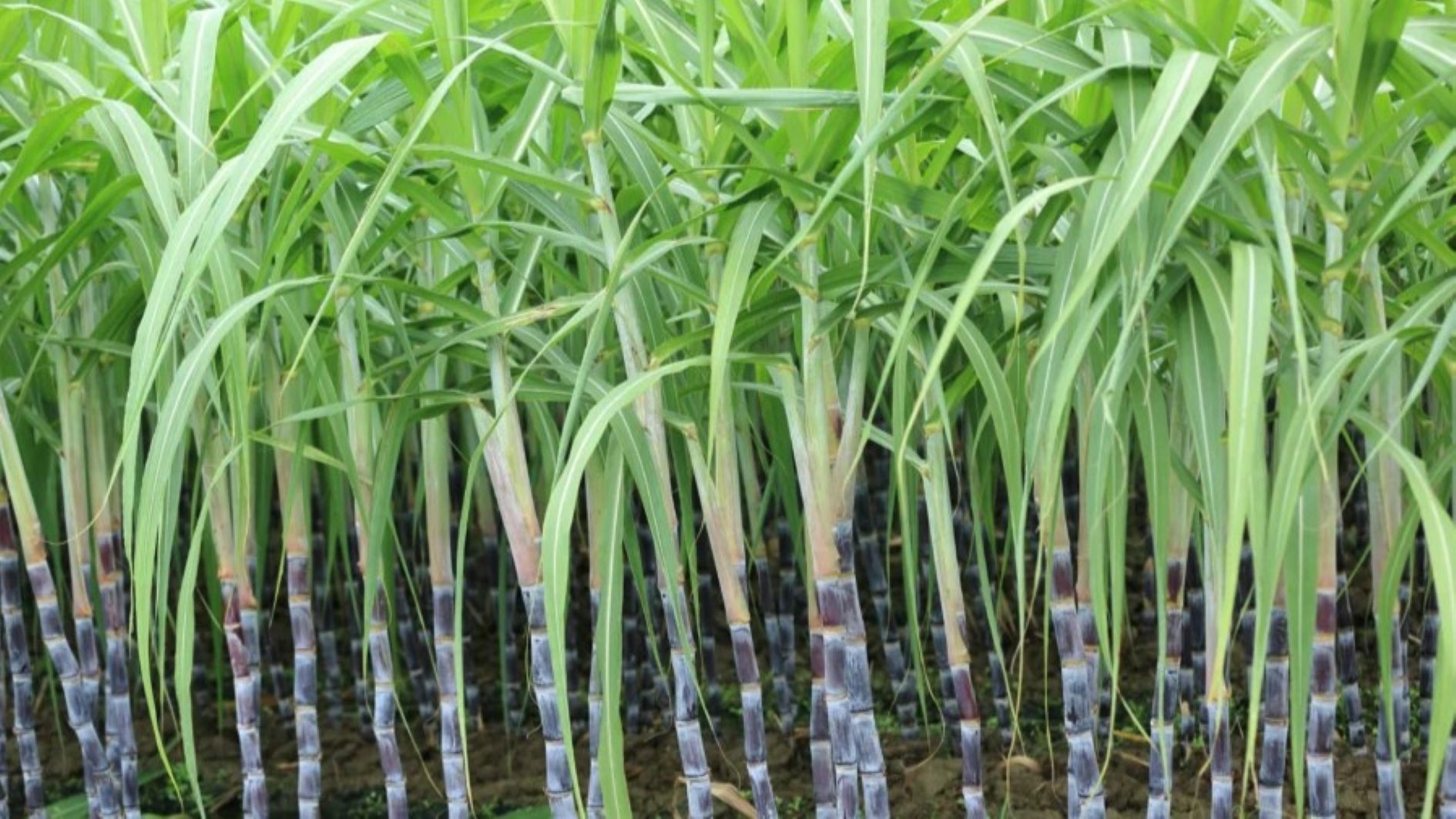
Nigeria could save about $1 billion in foreign exchange yearly, and create 110,000 direct jobs by achieving self-sufficiency in sugar production, the National Sugar Development Council (NSDC) has said.
The council’s Executive Secretary and Chief Executive Officer, Kamar Bakrin, disclosed this at the 32nd Nigerian Economic Summit, where he spoke on strengthening policy coordination to improve the competitiveness of the non-alcoholic beverage sector.
He said the jobs would largely be created in rural communities through sugar estates, processing mills and outgrower farms, where smallholder farmers cultivate sugarcane for processing companies. The target is part of the Nigeria Sugar Master Plan (NSMP) 2.0, which seeks to reduce dependence on imported sugar by expanding domestic production.
Bakrin said investors had committed to expanding production capacity ahead of the plan’s 2032 target. According to him, brownfield projects are expected to deliver 1.22 million metric tonnes yearly by 2030, while Greenfield projects would contribute another 830,000 tonnes yearly.
The NSDC boss attributed renewed investor interest to the Federal Government’s macroeconomic reforms, saying the priority was to translate improved economic stability into jobs and broader economic benefits for Nigerians.
He stressed that policy consistency was critical to sustaining investment, noting that developing a sugar estate could take at least four years from land preparation to full production. Investors commit substantial capital before generating revenue, making predictable policies and stable demand important to their decisions.

Bakrin proposed that policies affecting the sugar and beverage value chain should be assessed for their implications for employment, investment and the Sugar Master Plan before implementation. He also called for reasonable transition periods for new measures, stressing that the council supported the government’s efforts to address non-communicable diseases but argued that public health objectives should not undermine industrial development.
He urged stakeholders to approach sugar and beverage production as an integrated value chain, noting that beverage manufacturers account for the largest share of industrial sugar consumption in Nigeria.
According to him, beverage companies could support local sugar production by committing to purchase domestically produced sugar, supporting outgrower farmers, sharing market data and investing in the Backward Integration Programme (BIP).
He also added that sugar estates could support rural development through infrastructure such as roads, schools, clinics and electricity generated from bagasse, the fibrous residue left after sugarcane processing. Sugarcane could also provide raw materials for fuel ethanol, bioelectricity and biodegradable packaging, he said.
Bakrin recommended that the Nigeria Industrial Policy Sectoral Competitiveness and Growth Initiative (NSCGI) measure its performance partly by how well it aligns with the Sugar Master Plan.
“When the sugar sector and the beverage sector grow together, Nigeria wins: on jobs, on foreign exchange, and on rural prosperity,” he said.

