

The films from ÀJOSE: The Stories That Bind Us will be released on Zikoko’s platforms in February 2026, extending conversations on women’s health, bodily autonomy, and cultural silence to a wider Nigerian audience.
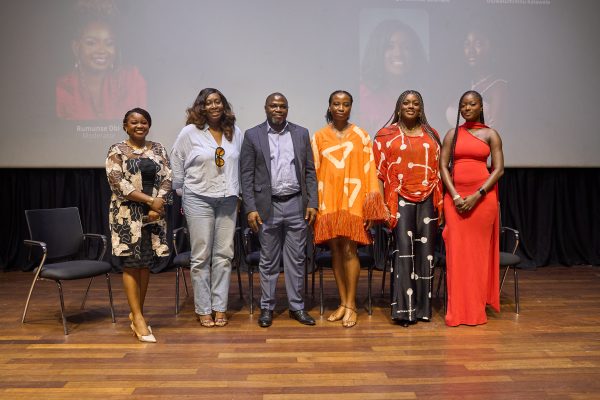
The announcement follows the ÀJOSE: The Stories That Bind Us event held in Lagos, where filmmakers, healthcare professionals, creatives, and members of the public gathered for a day of film screenings and dialogue focused on women’s reproductive health in Nigeria.
Presented by Ajose Nigeria, the programme used storytelling as a bridge between film, medicine, and culture, examining how stigma, silence, and social norms continue to shape women’s health outcomes. Through carefully curated screenings and moderated discussions, the event encouraged more informed and empathetic engagement with often-sensitive issues.
The centrepiece of the programme was the screening of Silence Is Loud, a short film directed by Abba Makama. The film drew strong audience reactions for its subtle yet emotionally resonant portrayal of unspoken realities surrounding women’s bodies, healthcare decisions, and family dynamics.
Attendees also viewed preview screenings of Chika Okoli’s documentary Care or Control? and the original animated series Dr. Majek and the Ghost, produced by Magic Carpet, with the creative teams present. Post-screening discussions explored bodily autonomy and the tension between cultural expectations and medical ethics.
The event featured an immersive Truths and Myths installation, highlighting common beliefs about women’s reproductive health alongside medically grounded facts. Panel conversations brought together medical professionals and cultural voices to address issues including maternal mortality, consent, and ethical healthcare practices.

According to the filmmakers, ÀJOSE marks the start of a broader culture-led initiative by Ajose Nigeria, using film and public dialogue to promote nuanced conversations on women’s health across the country.
Speaking at the event, project manager for Pamoja, Rumunse Obi, emphasised that ÀJOSE was intentionally reflective in tone.
“The conversations confirmed a readiness to speak more openly. ÀJOSE demonstrated that film can hold space for difficult subjects without spectacle, allowing complexity, discomfort, and empathy to coexist,” the organising team said.
