
Cervical cancer is one of the most preventable cancers affecting women, yet many still wait until symptoms appear before taking action. A simple screening test — the Pap smear — can detect early changes long before cancer develops, making it a powerful tool that every woman should be aware of.
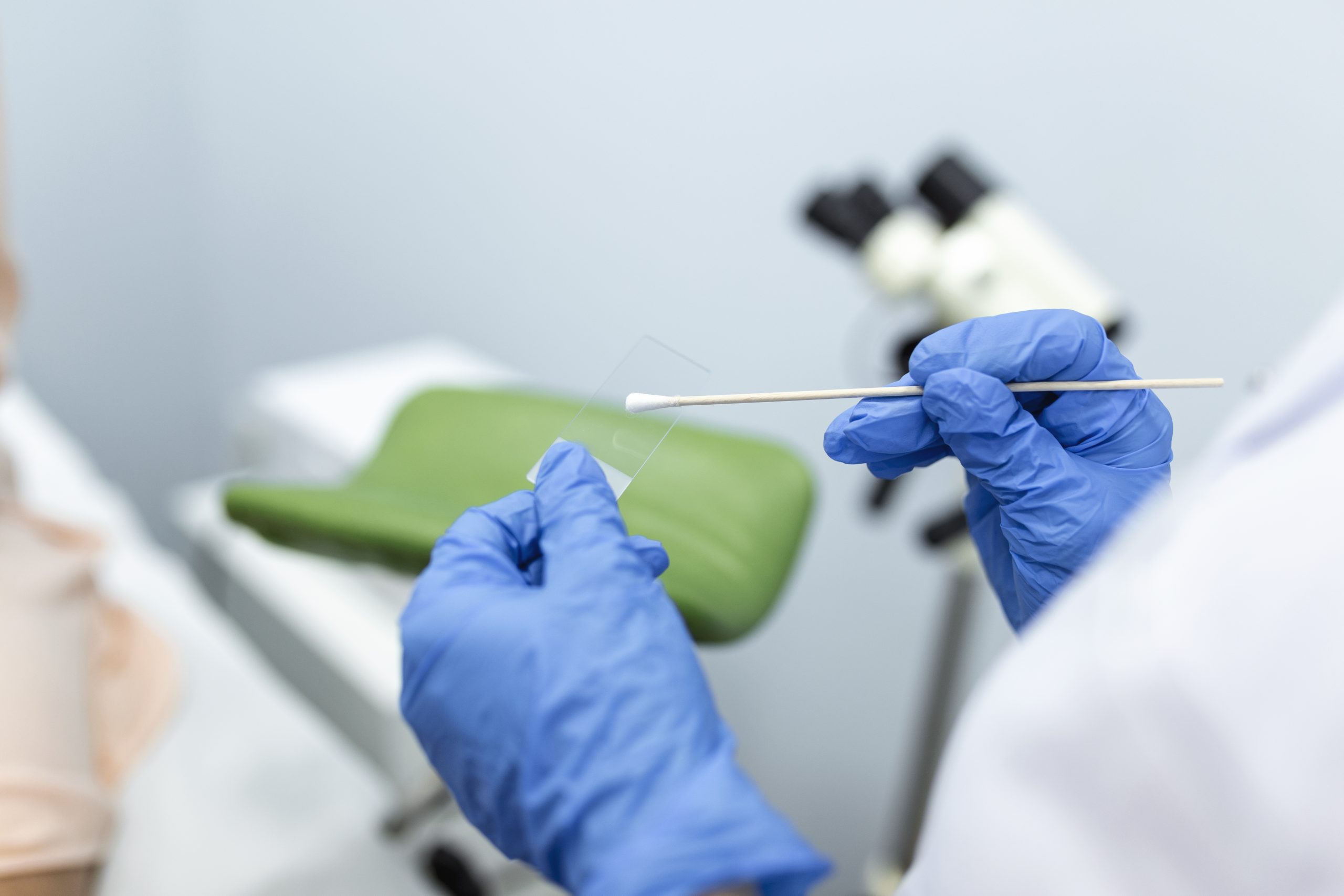
Cervical cancer might not be something most women think about often, but it’s one of those conditions that can grow quietly until it’s too advanced. But the good news is that it is highly preventable, and that prevention starts with a simple test called a Pap smear.
A Pap smear helps detect abnormal changes in the cervix that could later develop into cancer if left untreated. In essence, it identifies problems early, when intervention is most effective.
Dr Olusina Ajidahun, an internal medicine physician, explained that the test is not designed only to detect cancer, but to catch warning signs before the disease takes hold.
“It helps us pick out pre-cancerous stages that can increase a woman’s chances of having cervical cancer,” he said. “Once these are detected early, treatment can prevent them from progressing.”
PAP SMEAR SCREENING
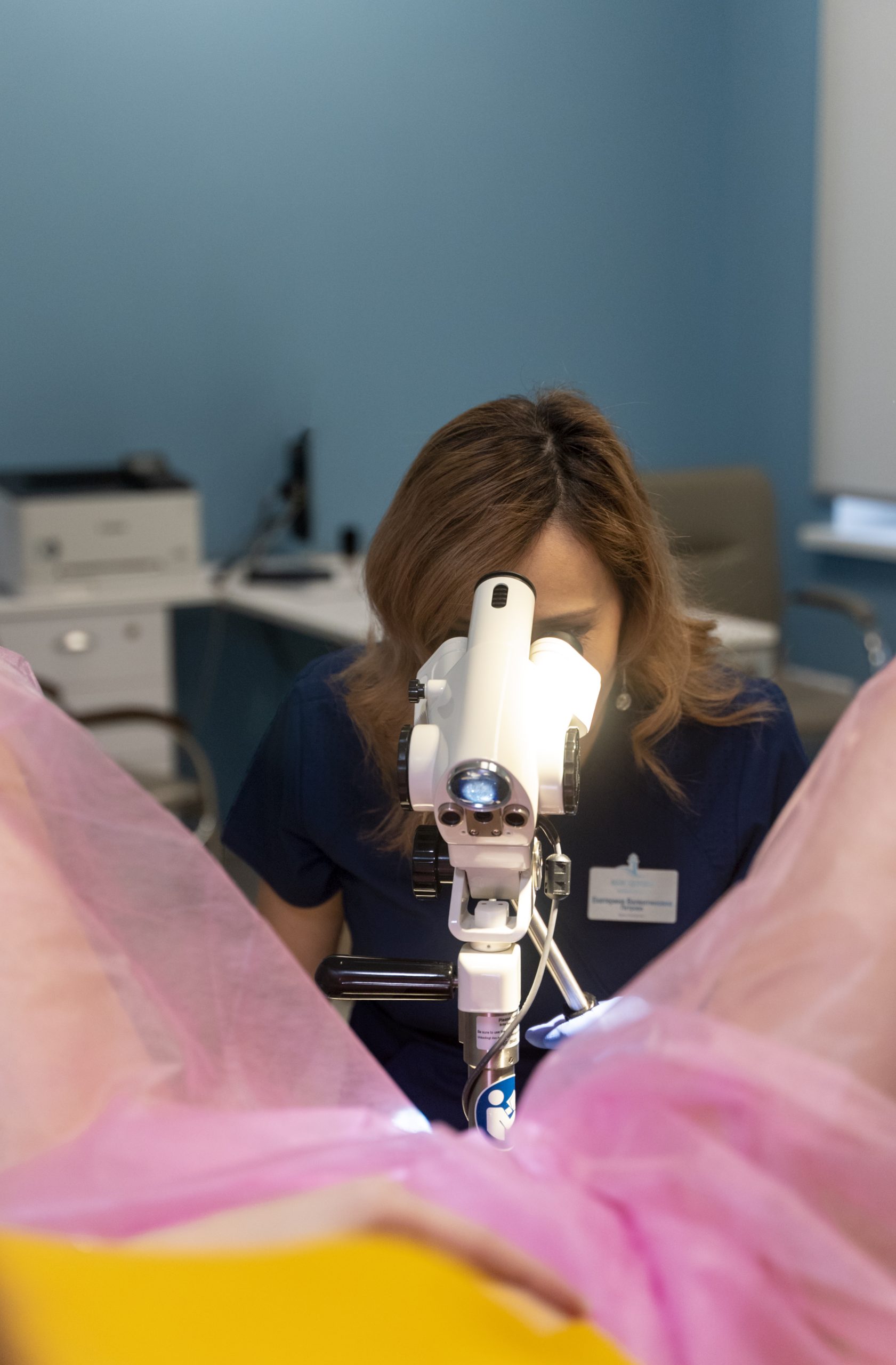
Health experts recommend that women begin Pap smear screening at age 21 and repeat it every three years. That’s because, by this age, many women may have become sexually active, and exposure to the human papillomavirus (HPV), the leading cause of cervical cancer, increases.
For women aged 30 to 65, screening can be done a little differently. They may either continue doing a Pap test every three years or combine it with an HPV test every five years. However, women living with conditions like HIV or a weakened immune system may need more frequent check-ups.
Many women assume they should wait for symptoms before getting tested, but experts warn that’s a dangerous mistake. Cervical cancer often doesn’t show signs until it’s in advanced stages.
“You don’t have to wait until you notice foul-smelling discharge or bleeding,” Dr Ajidahun said. “Pap smear is preventive. It’s done to catch changes before they become dangerous.”
Some women also confuse the Pap smear with the HPV test, but the two are different. While the Pap test checks for abnormal cervical cells, the HPV test looks for the virus that causes those changes. The HPV test isn’t routinely done in every lab because it requires molecular testing, but women who want to know their HPV status can request it.
Still, a lot of the hesitation around Pap smears comes from fear and misinformation. Some women believe the procedure is painful, but experts say this is rarely the case, at least, not in the way people imagine. While the test may feel slightly uncomfortable, it is quick and usually over within minutes.
“Once a woman relaxes, the discomfort is much less,” said Dr Ajidahun.
WHO NEEDS A PAP SMEAR?
Others believe they don’t need screening because they’re not sexually active or feel healthy. But experts insist that every woman 21 years and above should get tested, regardless of how she feels.
There’s also the myth that if something abnormal is found, nothing can be done. That couldn’t be further from the truth. Early detection allows for simple treatments that can completely remove precancerous cells before they ever become cancerous.
Beyond screening, vaccination is another powerful tool. The HPV vaccine protects against the virus strains most likely to cause cervical cancer, and it’s best taken before becoming sexually active, though women can still get it later.
“You can’t tell if your partner carries HPV,” Dr Ajidahun said. “Men can also be infected and transmit the virus. That’s why we must include them in HPV awareness.”
The main risk factors for cervical cancer include HPV infection, smoking, multiple sexual partners, unprotected sex, early sexual activity, weakened immunity, and ageing.
Despite all these risks, cervical cancer is one of the most preventable cancers in the world if women get screened and vaccinated. It’s a simple act that could save countless lives.
“We need more awareness,” Dr Ajidahun said. “Cervical cancer can be prevented if detected early. Regular Pap smears, HPV vaccination, and safe sexual practices are the best ways to stay protected.”
At the end of the day, a few minutes in a clinic could make all the difference between early detection and a life-threatening diagnosis. So, if you’re 21 or older, it’s time to add a Pap smear to your self-care checklist because prevention is truly better than cure.