 Follow Us on Google News



 Follow Us on Google Discover
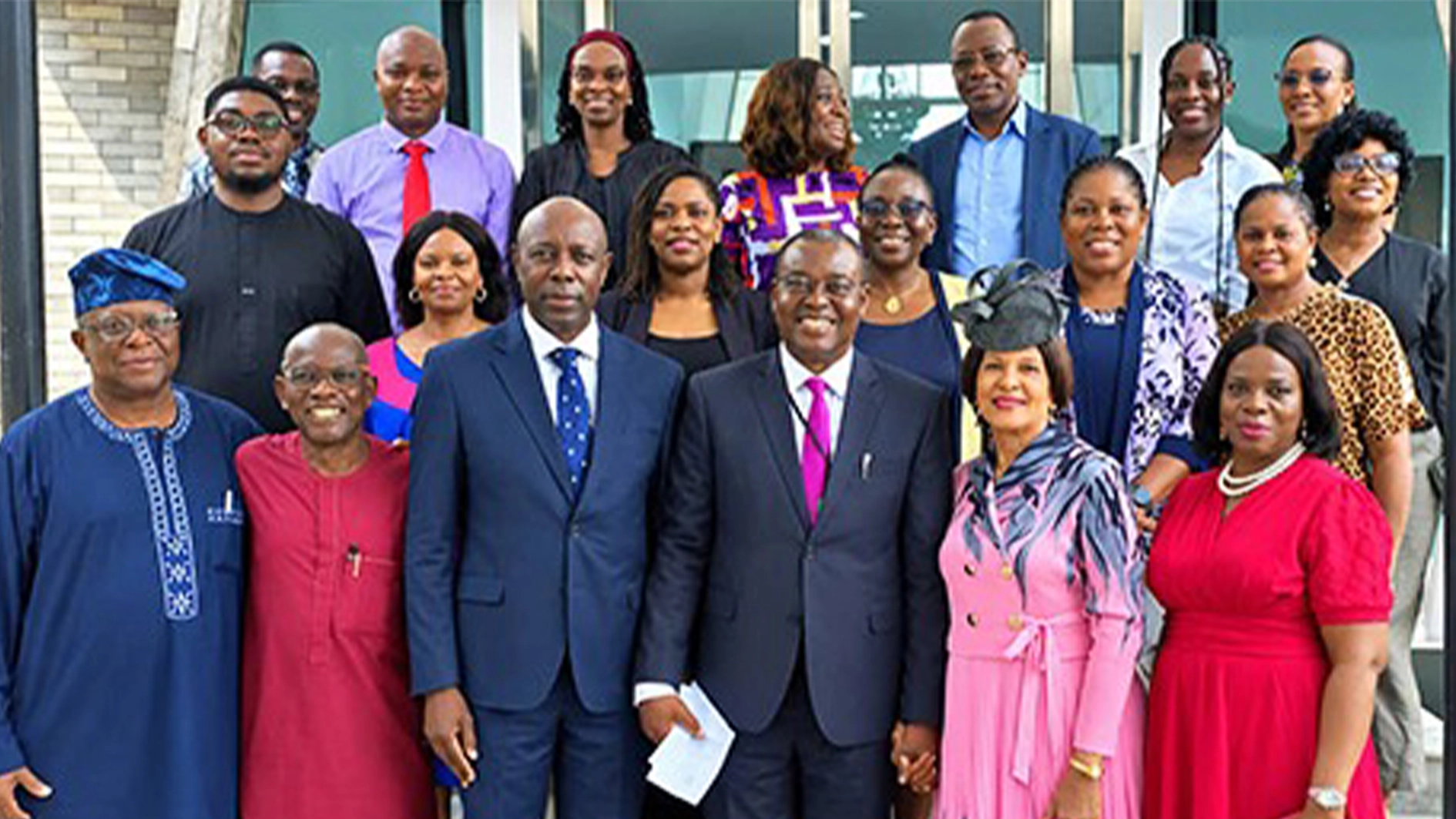
Founder and Principal Partner, Balliol Myers LP, Femi Ojumu, has called for a global framework on Artificial Intelligence (AI) regulation to address significant gaps in existing frameworks and ensure effective, adaptive monitoring of the rapidly evolving technology.
This was at the Foreign Policy Lecture Series organised by the Nigerian Institute of International Affairs (NIIA), themed “Artificial Intelligence, Global Schisms and Limitations of the Rule of Law,” held in Lagos. The lecture was also attended by the publisher of The Guardian Newspaper, Lady Maiden Alex-Ibru.
Ojumu noted that Nigeria had made enormous strides in its artificial intelligence and digitisation strategy over the years, such as the enactment of the Nigeria Data Protection Act 2023, which establishes a statutory framework for data protection and includes safeguards concerning automated decision-making, among others.
He, however, stated that the practical implementation, enforcement, management and intentional sovereign control of these policies would prove vital for geostrategic and geopolitical reasons.
He added that significant policy and regulatory drawbacks such as funding opacity and unclear timelines needed to be addressed head-on and quickly.
According to him, outsourcing artificial intelligence, digital control and regulation to foreign entities by its very definition defies artificial intelligence and digital sovereignty.

Ojumu recommended that, given the serious and continuing geopolitical, strategic and existential risks which AI posed to humanity and development when used for nefarious objectives, the United Nations, alongside other leading bodies and technology firms, should formulate a global mechanism to regulate artificial intelligence.
For Nigeria, he recommended that the deployment of AI applications in kinetic operations and on the battlefield should always be authorised by a natural and rational human being, adding that Nigeria must endeavour to eliminate terrorism in all formats for lasting socio-economic development and a catalyst for inward investment and genuine economic renaissance.
“The onus, therefore, is on countries like Nigeria to develop, sharpen and incentivise tech, thus diminishing our reliance on foreign suppliers who potentially can apply a kill switch. It is called sovereign digital autonomy. This could be accomplished by diversifying AI and cloud service requirements, establishing proven business continuity and disaster recovery protocols, having robust cybersecurity and procurement regimes, embedding robust contractual provisions for critical AI programs and projects with clear service continuity, data retention and data export protocols,” he said.
Ojumu explained that nations that could effectively, ethically and sustainably leverage its vast opportunities in AI at scale across industry sectors would secure a major competitive advantage within the spheres of geoeconomics, geopolitics and sovereign autonomy.
He highlighted a significant gap in AI regulation, necessitating a global compact for effective and adaptive regulation and lamented the economic exploitation of Nigeria’s resources and called for its end.
He highlighted the need for investment in research and development so Nigeria could add real value to its resources and also called for a dedicated minister of AI because of its broad sector, adding that it was worth over $50 trillion dollars globally.
According to the Director General of NIIA, Prof. Eghosa Osaghae, Nigeria is an integral part of the AI evolution as it is a source of rare earth minerals used for semiconductor processing in creating AI-related tools.
He said that Nigeria’s AI experts also contribute significantly to AI technology development, adding that the country is part of the global search for AI regulations to prevent AI from going out of control.
He noted that data sovereignty and protection were crucial as AI became more pervasive, while urging Nigeria to collaborate with regional bodies like ECOWAS, AU, and the UN for regulatory frameworks, adding that protective laws were necessary to safeguard data and ensure responsible AI use.
Research Professor, NIIA, Femi Otubanjo charged Nigerians to be active producers of AI tools, stating that the train of AI has already started and that Nigeria was lagging.

