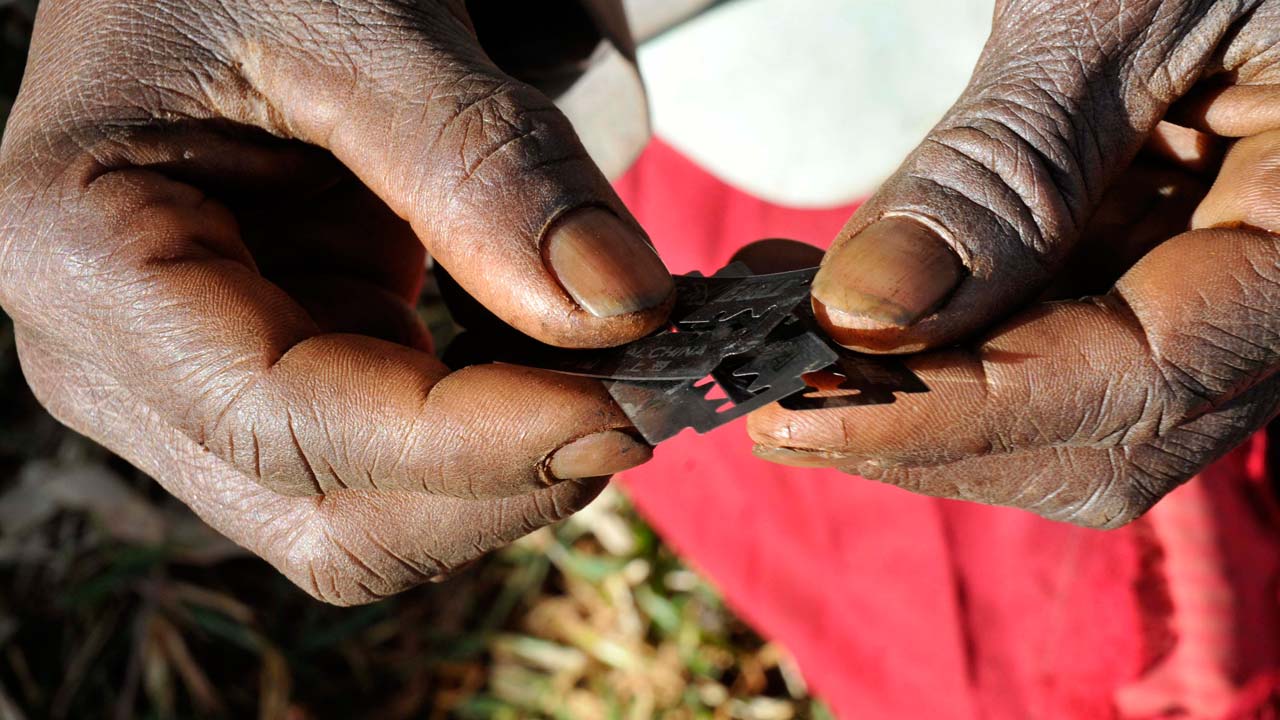
Umulolo Ugbele Akah community in Njaba, Imo State, has lamented the continuous harmful practice of Female Gentile Multination (FGM).
Though interventions from the United Nations Children Education Fund (UNICEF) have been yeilding positive results, this menance still exists within Umulolo Ugbele Akah.
Previously, Imo State used to be the highest in FGM in the country with 19.2% of females having undergone FGM, an increase from 16.9% (2013). It dropped from 32.3% (2013) to 63% (2018), according to research, however FGM still persists.
In 2021, UNICEF in partnership with National Orientation Agency (NOA) funded a two day sensitisation programme, titled ‘Local Government Community Dialogue Forum with Community Leaders for the Elimination of Female Genital Mutilation’, which was held at Umundugba, and Nnenassa headquarters of Isu and Njaba Local Government Councils.
The programme was an avenue for people and victims of FGM to pour out their grievances, pains and experiences and for community leaders of Njaba and Isu local government areas to establish methods to eliminate age long cultural practice identified as harmful to the wellbeing of their families, kindred, villages, communities and local governments.
Despite these interventions. These practices still exists in the community due to culture and tradition.