 Follow Us on Google News



 Follow Us on Google Discover
With about 16 military aircraft crashes recorded in the country between 2016 and now, including the latest one that occurred in Ondo State on October 5, 2026, there is an urgent need to unravel the cause to end the avoidable and traumatising loss of life of gallant officers and keep intact the love and confidence of the armed forces personnel in the noble military profession.
We are aware of the risks associated with the military profession, which may lead to loss of life, but that loss of life should occur either in the course of fighting to defend the country’s territorial integrity while quelling insurrection, or during any similar operation. It is not expected to occur during training, in the course of transporting personnel from one location to another, even for special operations, or during post-inspection or post-maintenance flight, as we have seen so far in the unfortunate accidents involving military aircraft.
The government has a responsibility to prevent the military profession from being perceived as a death sentence and scaring Nigerians away from joining it. The number of aircraft lost in unfortunate crashes should also be of great concern. The military authorities are not happy with the situation. It has become imperative that a diligent investigation be conducted, as already directed by President Bola Tinubu, to identify the responsible parties and take appropriate action to prevent a recurrence.
It was another national tragedy on October 5 when an ATR-42 belonging to the Nigeria Air Force (NAF) crashed in Igbokoda, the headquarters of Ilaje Local Government Area of Ondo State. All 25 passengers and seven crew members aboard the twin-engine turboprop aircraft died in the accident. The aircraft, used for regional operations, was on a routine mission from Benin in Edo State to Lagos.
In one of the immediate reactions to the crash, Minister of Aviation, Festus Keyamo, said the aircraft lost radio contact at about 9:13 a.m., before its wreckage was found near the Naval Base in Igbokoda, submerged in the swamp. Residents made frantic efforts to rescue the victims, paddling canoes around the area, while clothes, shoes and other personal effects believed to belong to the victims floated in the river. Ordering an investigation into the crash, President Tinubu prayed for the repose of the souls of the gallant officers, and for God to grant their families the fortitude to bear the unfortunate loss.
For the frightening record, the accident in Igbokoda brought to 16 the number of military aircraft crashes that have been recorded in the country since 2016, particularly during combat operation, training flights, routine missions and other operations.
A chronicle of the accidents shows that a NAF Agusta 109 Light Utility Helicopter went down in the Borno River on July 6, 2017, as a result of a technical fault while on a liaison mission, forcing the pilot to bring down the helicopter in the river with no lives lost. In September 2018, one person died when two NAF F-7N fighter aircraft collided around Katampe Hills, Abuja, during rehearsals for the Independence Anniversary celebration.
The military recorded three crashes in 2019. An M-35 helicopter crashed near Damasak in Borno State on January 2 while supporting a ground operation. The five-man crew died. On August 17, a VCV-6A Air Beetle crashed near Kaduna, killing its pilot, while a trainer helicopter crashed at the NAF Base in Enugu on November 14 while returning from a routine training exercise. No life was lost.
In separate incidents in 2021, a Beechcraft King Air 350i crashed on February 22 shortly after takeoff from Abuja and heading toward Minna in Niger State. All seven military personnel on board died. It was another disaster when, on March 31, an Apha Jet conducting an operation in Borno State disappeared from the radar and later crashed. The wreckage was found in the Sambisa Forest, but the two pilots could not be found. Then came what was considered the most tragic of the crashes in 2021 when, on May 21, a NAF King Air 350 crashed near the Kaduna International Airport, killing all 11 people on board, including the Chief of Army Staff, Lt-Gen. Ibrahim Attahiru, who had just been appointed to the position by the then President Muhammadu Buhari. Another NAF Alpha Jet was lost on July 18 after it was shot down in Zamfara.
The following year, a NAF Super Mushshak trainer aircraft crashed in Kaduna on April 19, killing two pilots. In 2023, an FT-7NI trainer aircraft crashed in Makurdi, Benue State, but the pilots survived. A month later, a NAF military helicopter carrying out a casual evacuation mission crashed at Chukuba village in Shiroro Local Government Area of Niger State, killing 11 people. The third crash that year involved a NAF MI35P helicopter which was lost shortly after takeoff from the NAF Base in Port Harcourt, Rivers State, in December. Fortunately, no one was lost.
The sad narrative continued in 2025 when a NAF aircraft was lost during a post-inspection check flight. In January this year, the military lost a CH-48 unmanned aircraft during a surveillance operation in Niger State. It was the last of the accidents before the October 5, 2026, accident in Ondo State, which has renewed questions about the safety of military aviation operations in the country.
What concerns Nigerians is the maintenance, airworthiness, and operational deployment of aircraft used for combat operations, surveillance, transportation, and other missions. Another worry is that the recurrent crashes involve different aircraft categories rather than a single platform. Why is it that as fighter jets are crashing, attack helicopters, transport aircraft, training aircraft, and even unmanned systems are also falling? The situation has become too alarming, at a period when the military is almost becoming overstretched fighting terrorism, banditry, kidnapping and other heinous crimes at the same time across the country. The human and material losses from the crashes are too great.
The investigation into the Ondo crash ordered by President Tinubu must be thorough so the government knows how to end the recurring sorrow in the military and the country at large. In scrutinising the aircraft’s airworthiness, we advise that other relevant stakeholders, including the Nigerian Safety Investigation Bureau (NSIB), which has already indicated its readiness to assist, should be involved. The government must be ready to act swiftly on the investigators’ recommendations.
The tragedy must not be allowed to continue. Our military personnel should not fall victim to avoidable death; their families should not suffer avoidable and everlasting sorrow.
Time to stop recurrent military aircraft crashes
Date: 19 October 2026 4:37am WAT
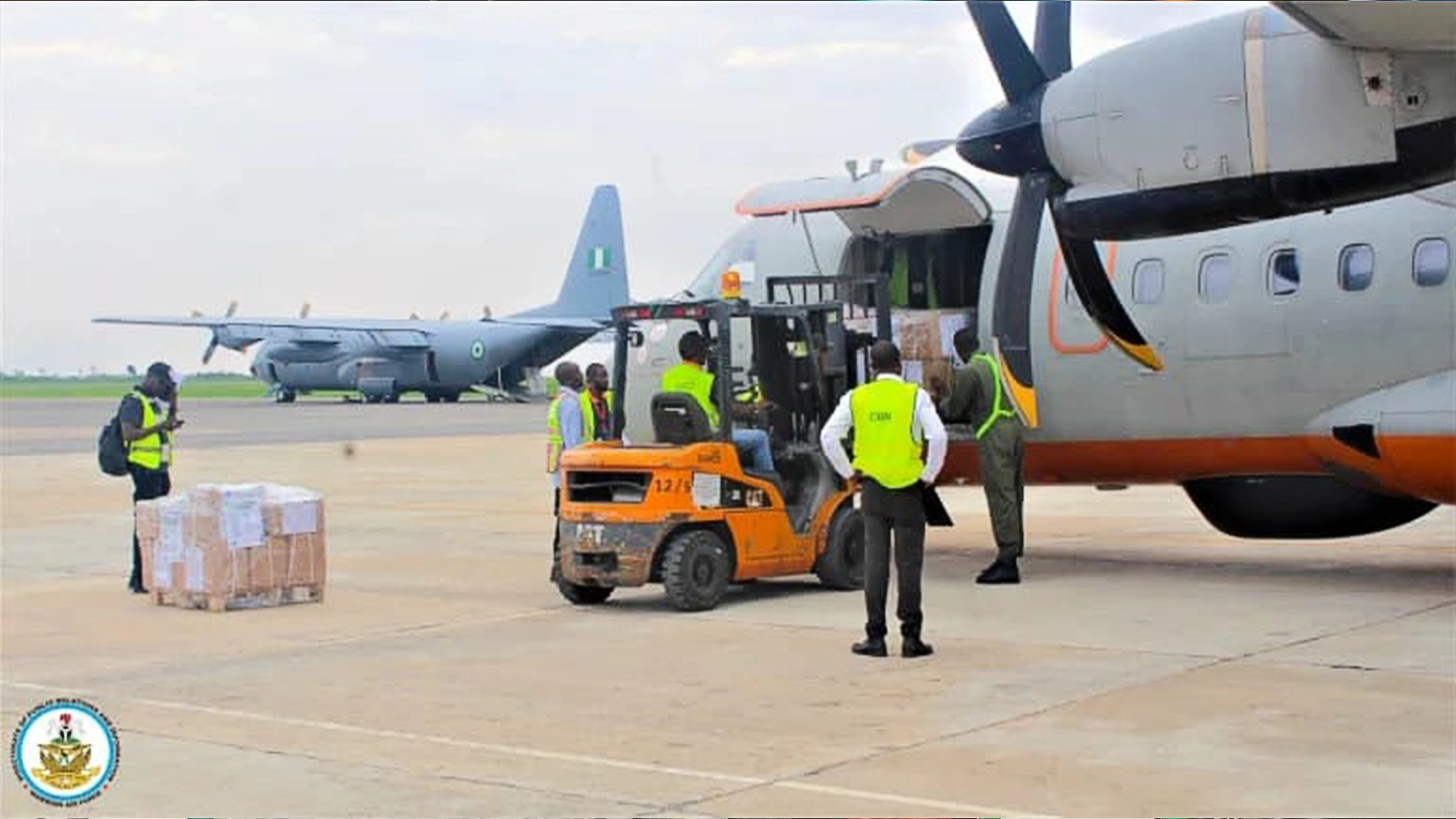
Nigerian Air Force (NAF)
Nigerian Air Force (NAF)