 Follow Us on Google News


 Follow Us on Google Discover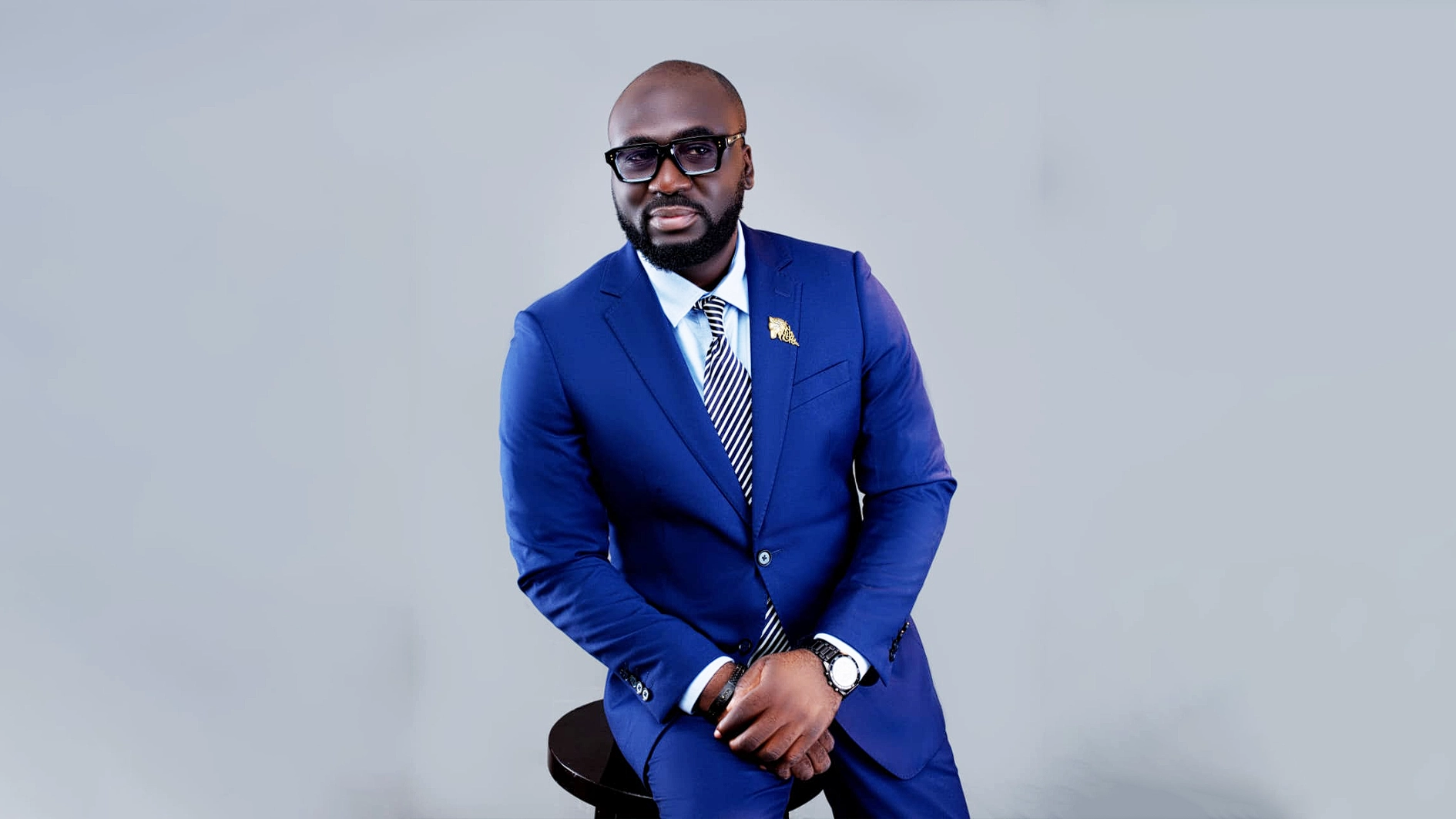
Otunba Isaac Olaseni Amao is a stalwart of All Progressives Congress (APC) and the founder of the Isaac Olaseni Amao Foundation, which is focused on sustainable philanthropic interventions. In this interview with SULIYAT TELLA, he spoke on the preparedness for 2027 elections, the G-15 Coalition in Kwara State and other national issues.
Can you introduce yourself to our readers?
My name is Chief (Dr.) Isaac Olaseni Amao, the Otunba-Mayegun of Isin Kingdom. I am a Nigerian from Kwara State, a businessman, philanthropist and political strategist committed to nation-building. Throughout my career, I have dedicated myself to public service and community development, with particular emphasis on youth empowerment, security and good governance. My greatest passion is to see a Nigeria where every citizen enjoys opportunity, dignity and hope.
What is your vision and mission in politics?
My vision is to see a prosperous, united and secure Nigeria where leadership is driven by service rather than self-interest.
My mission is to promote people-centred politics that delivers meaningful results: creating jobs, improving access to quality education and affordable healthcare, strengthening security and providing critical infrastructure, particularly for young people and vulnerable citizens.

Politics has been described as a dirty game. Do you share this view?
No, I do not. Politics is inherently noble because it is about managing our collective resources for the common good. What gives politics a negative image are the actions of a few individuals driven by greed, godfatherism, oligarchic interests and a do-or-die mentality. We can restore confidence in our political system by encouraging men and women of integrity, competence and character to participate.
How would you rate the chances of the APC if the opposition parties present a single presidential candidate?
The APC remains Nigeria’s most experienced and well-structured political party. A united opposition would certainly make the contest more competitive; democracy thrives on healthy competition. Ultimately, Nigerians will support the party with the strongest track record, nationwide structure and proven capacity to deliver good governance. I believe the APC will continue to enjoy public confidence if it remains committed to fulfiling its promises.
How would you assess President Bola Ahmed Tinubu’s Renewed Hope Agenda in delivering the dividends of democracy?
Although the administration is still relatively young, I believe the Renewed Hope Agenda is moving in the right direction. The bold economic reforms, commitment to infrastructure development, renewed focus on security and support for local government autonomy are important foundations for sustainable national growth. Nigerians are already seeing progress through road projects, the student loan programme and various social intervention initiatives. However, government must continue to ensure accountability while accelerating the delivery of tangible benefits.
The 10th National Assembly has been described as a “rubber-stamp” legislature. Do you agree?
I do not share that opinion. Constructive cooperation between the executive and the legislature should not be mistaken for weakness. A rubber-stamp legislature simply approves every proposal without scrutiny. What we are witnessing is greater alignment on national priorities. Nevertheless, the National Assembly must continue to exercise its constitutional oversight responsibilities diligently and hold the Executive accountable on behalf of the Nigerian people.
Some people advocate making membership of the National Assembly a part-time responsibility. What is your position?
Legislation is a full-time responsibility because the challenges facing Nigeria require constant attention and thoughtful engagement. Rather than introducing part-time lawmakers, we should focus on reducing the cost of governance by reviewing the size of government, cutting unnecessary allowances and ensuring that legislators are adequately evaluated based on performance and productivity.
G-15 Coalition in Kwara State is made of governorship aspirants and federal legislators who lost during the APC primaries. Do you think the group is formidable enough to rock the party’s boat in the 2027 elections?
I feel the pain of the G-15 deeply. These are men and women who invested time, resources and goodwill into the APC project. To lose at the primaries and still be asked to keep quiet is not easy.
Are they strong enough? Politics is about people, not just titles. If their concerns are genuine and they engage with humility and in the interest of Kwara, then yes—any group of committed party men can influence direction. But “rocking the boat” should not be our goal; stabilising and improving the boat for the good of all Kwarans should be. My prayer is that dialogue replaces division so that no one is left behind.
Thirty-eight founding members of the ‘Otoge’ Movement have dissociated themselves from G-15, describing the group as fighting for their personal political interest. Do you share this view?
With all sympathy, I must say this: ‘Otoge’ was beyond the 38 persons who signed a document. ‘Otoge’ was a people’s movement. Every market woman in Mandate, every okada man in Zango, every student in UNILORIN, every civil servant and farmer – every Kwaran – fought for ‘Otoge’ freedom. So, it will be unfair and unkind for anyone to claim monopoly or to speak as if they are the sole “leaders” of ‘Otoge’. No one person owns it. Whether G-15 is fighting for personal interest or collective interest, only God and time will judge the motive of the heart. But I plead: let us not use ‘Otoge’ to wound each other. The same spirit that united us to end one form of imposition should not be used to impose silence on others.
Do you think G-15 was formed to protect democratic values and ensure that Kwara politics is not reduced to vendetta?
I want to believe so. Every political association arises from a perceived need. If the G-15 feels that internal democracy, fairness and respect for party members are being threatened, then raising their voice is democratic. ‘Otoge’ itself was a cry against imposition and godfatherism. And I believe the imposition of a candidate above another is also a form of godfatherism. If G-15 is pushing back against that, then they are aligning with the very spirit of ‘Otoge.’ We must however ensure it does not degenerate into vendetta. Politics without bitterness is possible.
How would you assess the current APC-led administration in Kwara State?
I assess with both gratitude and honest expectation.
We must thank God that the era of “one-man rule” and godfatherism was broken. There is visible infrastructure, attention to education, health and welfare programmes that were long overdue.
But governance is a journey. There are still concerns about inclusiveness, youth employment and party unity that need urgent attention. My appeal to the government is: carry everyone along. The same people who gave you the mandate in 2019 are still watching and hoping.
What is your view on ‘Otoge’ six years after?
‘Otoge’ was divine. It was a revolution of dignity. Six years after, the evidence is clear: power now answers to the people. But the real test of ‘Otoge’ is not just who we removed, but what we have built in its place. If six years after the average Kwaran is better off—in jobs, infrastructure, freedom of choice—then ‘Otoge’ has succeeded. If not, then we must ask ourselves hard questions in love, not in anger.
How can Kwara politics move beyond godfatherism?
By entrenching internal democracy. First and foremost, let party primaries be free and fair. Secondly, let institutions, not individuals, determine who flies the party flag. Among others, let leaders desist from manipulation and allow the youth and women have real seats at the table, not just as posters. When no single person can determine winners and losers, godfatherism dies naturally.
In conclusion, my heart is with the G-15. I feel their frustration. But I also love our party and our state too much to see us divided. Let us talk; let us forgive and let us build Kwara together.
How would you rate INEC’s performance in recent elections and what improvements would you recommend?
INEC has made commendable progress, particularly with the introduction of technologies such as BVAS and the IReV portal, which have improved transparency and credibility. However, logistical challenges, especially the late arrival of election materials in some areas, remain significant concerns.
I believe a lot of structural reforms such as giving greater financial and operational independence to INEC, sustained voters education and speedier resolution of election petitions will put INEC on solid footing.
Would you say this administration is doing enough to tackle insecurity?
The administration has made considerable efforts by increasing funding for security agencies, acquiring modern equipment and strengthening inter-agency collaboration. However, insecurity continues to evolve, meaning our responses must also evolve. We need stronger intelligence gathering, effective community policing, improved border security and deliberate efforts to address the root causes of insecurity, including poverty, unemployment and social exclusion.
Do you support the rehabilitation of so-called repentant Boko Haram members?
I support rehabilitation in principle, but only under very strict conditions. There must be credible deradicalisation programmes, effective monitoring mechanisms, and justice for victims and affected communities. Rehabilitation should never compromise public safety or ignore the suffering of those who have lost loved ones. Any reintegration programme must inspire confidence among host communities.
Some believe insecurity has worsened since the withdrawal of U.S. troops from the Nigeria. Would you support their return?
Nigeria’s security ultimately remains Nigeria’s responsibility. While we should continue to welcome strategic partnerships, intelligence sharing, and technical assistance from the United States and other allies, we should never outsource our national security. Instead, we must strengthen our own institutions, invest in modern security technology, and deepen regional cooperation through ECOWAS and the Multinational Joint Task Force (MNJTF).
Do you believe the creation of State Police will strengthen Nigeria’s security architecture?
Yes, I believe it will, provided it is properly structured. State Police can significantly improve security because officers are more familiar with the local terrain, language and culture. However, there must be strong constitutional safeguards, professional recruitment standards, adequate funding and effective federal oversight to prevent abuse or political interference.
Some have suggested that the President should declare a state of emergency because of rising insecurity. What is your opinion?
A state of emergency should always be considered a measure of last resort because of its far-reaching implications for the economy, democratic institutions and civil liberties. I believe Nigeria has not exhausted all constitutional and strategic options. What is required now is stronger political will, better coordination among all levels of government, improved intelligence and sustained investment in security.
Youth unemployment remains a major challenge. What should government do to address it?
Government should focus on three priorities: skills, capital and markets. This can be achieved by revitalising technical and vocational education, providing affordable single-digit loans and grants to SMEs and start-ups, prioritising Made-in-Nigeria products in public procurement and investing heavily in agriculture, technology, manufacturing and the creative industries, where Nigerian youths possess enormous potential.
Xenophobic attacks in South Africa have claimed the lives of Nigerians and destroyed their businesses. How should the Nigerian government respond?
Nigeria must respond firmly but diplomatically. The government should engage the South African authorities at the highest diplomatic level, demand adequate protection for Nigerians, seek justice and compensation for victims, and work with the African Union (AU) and the Southern African Development Community (SADC) to prevent future occurrences. At the same time, we must strengthen our domestic economy so that fewer Nigerians are compelled to seek opportunities abroad out of desperation.
You once declared your intention to contest for elective office. Have you abandoned that ambition?
Not at all! My desire to serve remains unwavering because leadership is ultimately about service, whether through elective office or other avenues. At the appropriate time, and with the support of my people and my party, I will once again offer myself for public service. For now, my priority is supporting government initiatives and promoting grassroots development.
What advice would you give governments at all levels to reduce the “Japa” syndrome?
The solution is simple: make Nigeria work. The “Japa” phenomenon is fundamentally driven by the search for hope and opportunity. Government must create sustainable jobs, improve security, ensure stable electricity, strengthen the economy and make it easier for businesses to thrive. When young Nigerians believe they can achieve their dreams at home, they will choose to stay and contribute to national development. We should also celebrate and support those who are building successful careers and businesses within Nigeria.
Who are your political role models, both locally and internationally?
In Nigeria, I greatly admire the late Chief Obafemi Awolowo for his visionary leadership, commitment to free education and enduring legacy of people-oriented development.
Internationally, I regard Lee Kuan Yew of Singapore as an outstanding example of transformational leadership. His commitment to discipline, transparency, anti-corruption and long-term national planning transformed Singapore into one of the world’s most prosperous and respected nations.

