

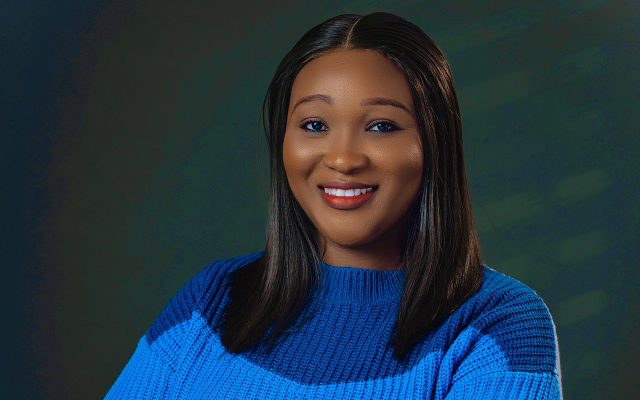
Raquel Kasham Daniel is an educator and social entrepreneur whose work sits at the intersection of education, gender equality, and empowerment. Her journey has always been rooted in one clear mission: to ensure that girls, especially those in underserved communities, are safe, educated, and heard. Through her organisation, Beyond the Classroom Foundation, Raquel has spent over a decade creating programmes that address the real challenges girls face. From lack of access to education to early pregnancy and digital insecurity, her response has been hands-on, heartfelt, and deeply strategic. One key initiative is HER Safe Space, a physical, school-based club with a 12-week curriculum designed to empower girls with knowledge about their rights, safety, and reproductive health. Her passion for education also led her to design the Books Over Boys Booklet in commemoration of the 2025 Menstrual Health and Hygiene Day. She also created the ‘Go Girl’ board game, an interactive tool that helps girls build leadership skills and confidence through real-life scenarios. In this interview, Raquel speaks on her work focused on creating meaningful change for young people.
What inspired you to focus on this path of elevating girls, and giving them more opportunities to thrive?
What inspired me to focus on elevating girls really started at home. I had a father who didn’t see me as “just a girl” or second to my brothers. He saw me as a full human being, with dreams, ideas, and potential. He paid attention to how I was growing, encouraged me, and pushed me to become better. That belief shaped me in ways I’m still discovering. It gave me the courage to pursue education and become the first person in my family to go past secondary school and graduate from university. But not every girl gets that kind of support. I started to notice how many girls were struggling, bright, brilliant girls, with no one in their corner. And that’s what pushed me. I wanted to be the voice that says, “You can.” Every time I share my story, especially with girls in underserved communities, I hear things like, “Nobody in my family has gone to university either,” or “If you could do it, I think I can too.” That moment of belief, that tiny shift, is everything. And that’s what keeps me on this path. I want to keep creating spaces where girls are seen, heard, and given the tools to thrive.
How important is it to society that girls are safe, educated and heard?
This question brings up a lot for me, because I grew up in the police barracks, and there was a time when girls genuinely didn’t feel safe. I remember we couldn’t be out past 7:30 p.m., even if we were just coming back from church. We’d hurry home because so many girls had shared stories of being harassed or even raped, and many never told their parents. They just told each other. We were scared, even during the day. I remember walking to school in groups because walking alone didn’t feel safe. Even though I wasn’t personally affected in that way, I saw how it affected others. One girl told me it affected her education because she was always anxious, constantly thinking about her safety instead of her learning. And that was years ago, but sadly, not much has changed. Girls still feel unsafe.
They’re still treated differently from their brothers. They’re still silenced simply because they’re girls. And the thing is, these issues aren’t isolated. They’re ongoing. They shape how girls grow up and whether they believe they matter. That’s why it’s so important that girls feel safe, that they’re educated, and that they are truly heard. Because when they are, they thrive. And you only need to look at the lives of educated, empowered women to see what’s possible when a girl is given the right environment to grow. We can’t keep taking that away. Safety, education, and voice, those are the things that make girls powerful.
What inspired Beyond the Classroom Foundation, and how are you using this platform to address issues faced by women and girls?

Beyond the Classroom Foundation was born from my personal journey. It wasn’t something I sat down to plan honestly, it found me. I grew up with a father who believed in me. When he passed away when I was just 16, that dream became a personal mission. At the time, life was extremely hard. My brothers had dropped out of school, and there was serious pressure at home. At one point, there was even talk of marrying me off. But I knew I wanted more. I fought for my education, but the journey wasn’t easy. I ended up on the streets of Lagos for a while, and there, I saw how so many girls had simply lost hope. Girls who didn’t see school or a better future as something they could even reach for. That broke something in me, and it also lit a fire. Eventually, I got into the University of Lagos, and as I found my own way forward, I started sharing my story with girls in underserved communities. I wanted them to see that it’s possible. That even when everything seems stacked against you, your story can change. That’s how Beyond the Classroom Foundation started. Just me telling my story and encouraging a few girls. But over time, it grew into something much bigger, because this work is so personal, everything we do is rooted in real experiences, both mine and those of the girls we work with. Our programmes are designed to be practical, relatable, and grounded in their daily realities. Whether it’s navigating peer pressure, learning about safety, or building confidence, we create safe spaces for girls to grow.
Today, we run initiatives like the HER Safe Space Clubs, where girls learn about their rights, safety, and reproductive health right there in school. We also launched the He for Her campaign, which teaches boys how to be allies and stand up for the girls around them. It’s about building an ecosystem of support, ensuring girls are not just in school, but that they are seen, safe, and heard. For me, Beyond the Classroom has become a way of saying, “I see you. You matter. You’re not alone.” Because I know what’s possible when just one person believes in you. And I want to be that person for as many girls as I can.
Your recent ‘He for Her’ campaign was something very refreshing in the collective journey of female advocacy. How crucial is it to help young boys learn how they ways they can support girls?
I’m really glad you found the ‘He for Her’ campaign refreshing, because honestly, it’s one of the projects I’m most proud of. The truth is, if we’re serious about changing the way girls are treated, then we have to bring boys into the conversation. For too long, it’s been girls doing all the heavy lifting, trying to survive, speak up, protect themselves, and fix systems that weren’t built with them in mind. It’s not fair, and it’s not sustainable. That’s why we created ‘He for Her’, to show boys that they have a role to play. And not just by posting online or saying the right things, but in how they behave every single day. How they talk to girls, how they show up as friends, classmates, brothers, and future husbands or leaders. Things like listening, respecting boundaries, speaking up when something’s wrong. These things are basic, but they matter so much. And let me be honest, this campaign is so personal to me.
You combine different campaigns all aimed at fostering equality and safety. How would you rate the collective impact of these initiatives?
That’s a really important question, and honestly, I feel proud of what we’ve been able to do so far. But at the same time, I know this work isn’t finished, it’s always evolving. What I love about these projects is how they work together. Each one focuses on a different part of the puzzle. For example, with the ‘Books Over Boys’ campaign and booklet, girls learn about the value of education and how unplanned pregnancy can disrupt their dreams. The ‘Go Girl’ board game teaches girls about their rights and leadership in a fun, exciting way. Then, there’s the ‘He for Her’ campaign brings boys into the conversation, showing them how to be allies. And Safer Classrooms targets educators, helping teachers create safer, more supportive learning environments for all students. More importantly, these projects don’t just focus on girls, they involve boys, teachers, parents, and communities, because real change requires everyone’s participation. We’re already seeing girls gaining confidence, boys stepping up, and schools beginning to adopt safer policies. Change isn’t instant, but the momentum is growing, and I’m hopeful for what’s ahead.
You reached a huge milestone, reaching over 10,000 girls with your ‘Books Over Boys’ booklet, sharing vital information on Menstrual Health and Hygiene. What are some common misconceptions on Menstrual Health you addressed through this booklet?
We definitely created quite a buzz with the ‘Books Over Boys’ campaign on social media. The booklet reached about 11,000 girls during the Menstrual Health and Hygiene Day celebration, which was amazing. But really, the booklet is about more than just menstrual health, it’s about the value of education and how unplanned pregnancy can disrupt a girl’s future. Since menstruation is connected to pregnancy, launching it on Menstrual Hygiene Day felt like the perfect moment to get that message across. Now, to answer your question about misconceptions, during our school tour, we tackled a few big ones. For example, many girls grow up hearing that menstruation is “dirty” or shameful, which can make them feel embarrassed or scared. Some still believe they can’t do certain activities or go to school during their period, which simply isn’t true. We also asked the girls to share myths they’d heard, and we addressed those, explaining what really causes menstruation and what girls can or can’t eat or do while on their period. By breaking down these false beliefs, we helped girls feel more confident, proud, and ready to keep pursuing their education without shame or fear.
Talk us through the process of setting up the ‘Go Girl’ board game, and how you are helping young girls to build confidence.
The Go Girl board game is truly special because it was designed with the girls, not just for them. We believe the best way to create something that truly speaks to girls is by involving them every step of the way. Nothing for us without us. So, we visited two communities and a school in Abuja, where we sat down with groups of girls and asked about the challenges they face daily, things like standing up for themselves, making important decisions, dealing with peer pressure, and navigating family expectations. We listened carefully to their stories, ideas, and the situations that mattered most to them. The scenarios in the game reflect real-life situations, making the experience both relatable and meaningful. What’s been truly rewarding is watching the girls play the game. I’ve seen girls who don’t usually speak up join in with laughter, cheer each other on with high fives, and even celebrate with a drum roll when someone gets a question right. Moments like these remind me why we keep doing this work, it’s about helping girls find their voice, confidence, and strength in a way that’s fun and empowering.
How do you hope your work will influence policy or bring about key changes in education and equality?
Beyond just hoping for change, we are actively engaging all stakeholders, including government agencies, educators, community leaders, and parents, to ensure that policies related to girls’ education and rights are not only created but properly enforced. There are already many policies in place that support girls’ rights and sexual and reproductive health and rights (SRHR). The real challenge is that these policies are often not fully implemented or enforced at the grassroots level where they matter most. What I hope my work can do is help bridge the gap between policy and practice. By demonstrating effective programmes and gathering evidence of what works, we can encourage policymakers and education leaders to prioritise implementation. When schools and communities understand the importance of these policies and have the tools to put them into action, girls will be safer, better educated, and more empowered. Ultimately, I want to see policies come alive in ways that improve the daily lives of girls, making their rights more than just words on paper but real protections and opportunities. We know having policies is not enough; what truly matters is how they are implemented on the ground.
