

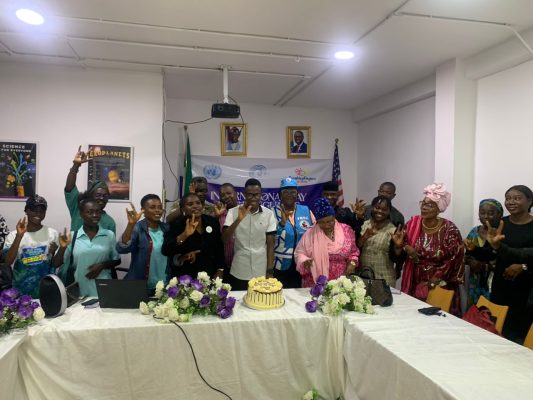
Nigerians must treat sign language not as a special skill but as a shared responsibility, if genuine inclusion for the Deaf community is to be achieved.
This was the resounding call at the International Sign Languages Day 2025 and Deaf Week celebrations in Lagos.
CEO and convener, SpeakingFingers, Treasures Uchegbu, recalled how her advocacy began with a 21-year-old deaf woman living with HIV without support, “that young woman taught me that silence kills faster than illness. She could not even communicate her needs because she lacked language. That moment became my call to action.”
Uchegbu urged Nigerians to see sign language as a matter of rights, not charity. “We must be intentional about bridging communication gaps. Human rights mean nothing if people cannot speak or be understood. Every Nigerian teacher, parents, leaders must see sign language as their responsibility,” she said.
The hybrid event held under the theme “No Human Rights Without Sign Language Rights,” brought together Deaf ambassadors, CODA leaders, parents, teachers, interpreters, government officials, NGOs, UN agencies, corporate sponsors, and traditional leaders to press for a multi-sectoral approach that prioritises education, policy, and community action.
Representing UNFPA’s Disability and Inclusion Unit, Mrs. Wunmi Laolu-Akande emphasised the global dimension: “Disability inclusion is at the heart of achieving the Sustainable Development Goals. Language is power-it is how people access education, health, and justice. Denying sign language is denying dignity.”
She pledged UNFPA’s continued support to programmes that integrate Deaf communities into health, education, and gender equality initiatives.
General Manager, Lagos State Office for Disability Affairs (LASODA) Mrs. Adenike Oyetunde-Lawal, speaking on behalf of Lagos State, reaffirmed the government’s resolve. “Government is doing its best to translate sign language into official languages. Today’s theme reflects the diversity of signing systems. Beyond policies, families and individuals must also take responsibility. Sign language must become part of daily life.”
Hajia Islamiat Oshodi, President of the Association of Children’s Education Teachers Program (ACEP), said “Education Must Start Early”. She warned that inclusion cannot wait until later years.
“We may not achieve much if basic school teachers are not co-opted. If teachers can greet, teach, and discipline in sign language, pupils will feel seen, included, and confident to learn. Every child deserves a fair start.”
Special Marshal Adeola Peter of the Federal Road Safety Corps (FRSC) delivered a major announcement: “The FRSC has recently approved driver’s licenses for members of the Deaf community. This is not just about mobility; it is about dignity, independence, and equal rights.”
Global Vice President of JohnSciTech, Michael Olapade, pledged ongoing corporate partnership. “This is not charity, it is investment. Supporting initiatives like SpeakingFingers empowers innovators, leaders, and problem-solvers of tomorrow. Inclusion is both the right thing and the smart thing for Nigeria’s growth.”
A volunteer interpreter and CEO of Mr. Izi Signs, Israel Gideon, said his childhood friendship with a deaf peer inspired him to learn sign language and train others.
A Deaf Ambassador Tobiloba Audu Oyegoke shared his journey from childhood to a determined 300 Level university student, while Mrs. Ruth Adejumo, a mother, urged parents of deaf children to learn sign language themselves: “Our children cannot wait for interpreters. Families must lead the way.”
