

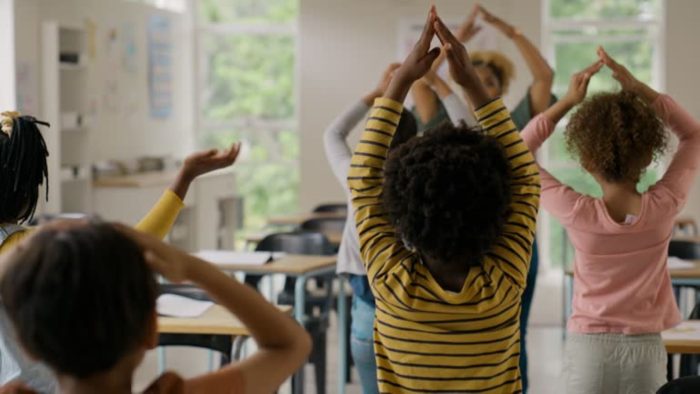
In today’s fast-paced digital world, many children are growing up with screens as constant companions. While technology has its place, physical activity remains one of the most important investments parents can make in their children’s future.
Movement is not just about burning energy; it is fundamental to healthy growth, brain development, emotional balance, and lifelong discipline.
Regular physical activity strengthens bones and muscles, improves heart health, and reduces the risk of childhood obesity. More importantly, it supports brain development.
Studies consistently show that children who engage in structured physical activities perform better academically. Exercise increases blood flow to the brain, improves concentration, enhances memory, and sharpens problem-solving skills.
Simply put, active children are often more alert and better prepared to learn. Beyond the classroom, sports and physical activities build character.
When children participate in football academies, swimming lessons, athletics, dance, or martial arts, they learn teamwork, resilience, and time management. They understand winning and losing, develop confidence, and cultivate discipline. These are life skills that extend far beyond the playground.
Parents and guardians must be intentional. Physical activity should not be left to chance. The World Health Organisation recommends at least 60 minutes of moderate to vigorous physical activity daily for children aged 5 to 17. This can include cycling, running, structured sports, skipping, or even active household chores.
Practical steps can make the difference. First, prioritise extracurricular enrolment. Register your child in a football academy, swimming programme, gymnastics class, or dance studio. Structured environments ensure consistency and skill development.
Second, limit screen time. Create clear rules around television, tablets, and gaming. Replace idle screen hours with outdoor play or active hobbies.
Third, lead by example. Children model behaviour. When parents walk, jog, or exercise regularly, children are more likely to adopt similar habits.
Fourth, make it social. Encourage your child to invite friends for active play. Sports become more enjoyable and sustainable when shared.
Finally, focus on balance. Physical activity should complement academic development, not compete with it. A well-rounded child thrives in both spaces.
The goal is not to raise professional athletes but to nurture healthy, confident, and resilient individuals. When parents treat physical activity as essential rather than optional, they lay a foundation for stronger bodies, sharper minds, and healthier futures.
This is fundamental to the overall wellness and growth of your child as he transcends into adulthood. The impact is greatly felt in every sphere of their lives.
