 Follow Us on Google News
 Follow Us on Google Discover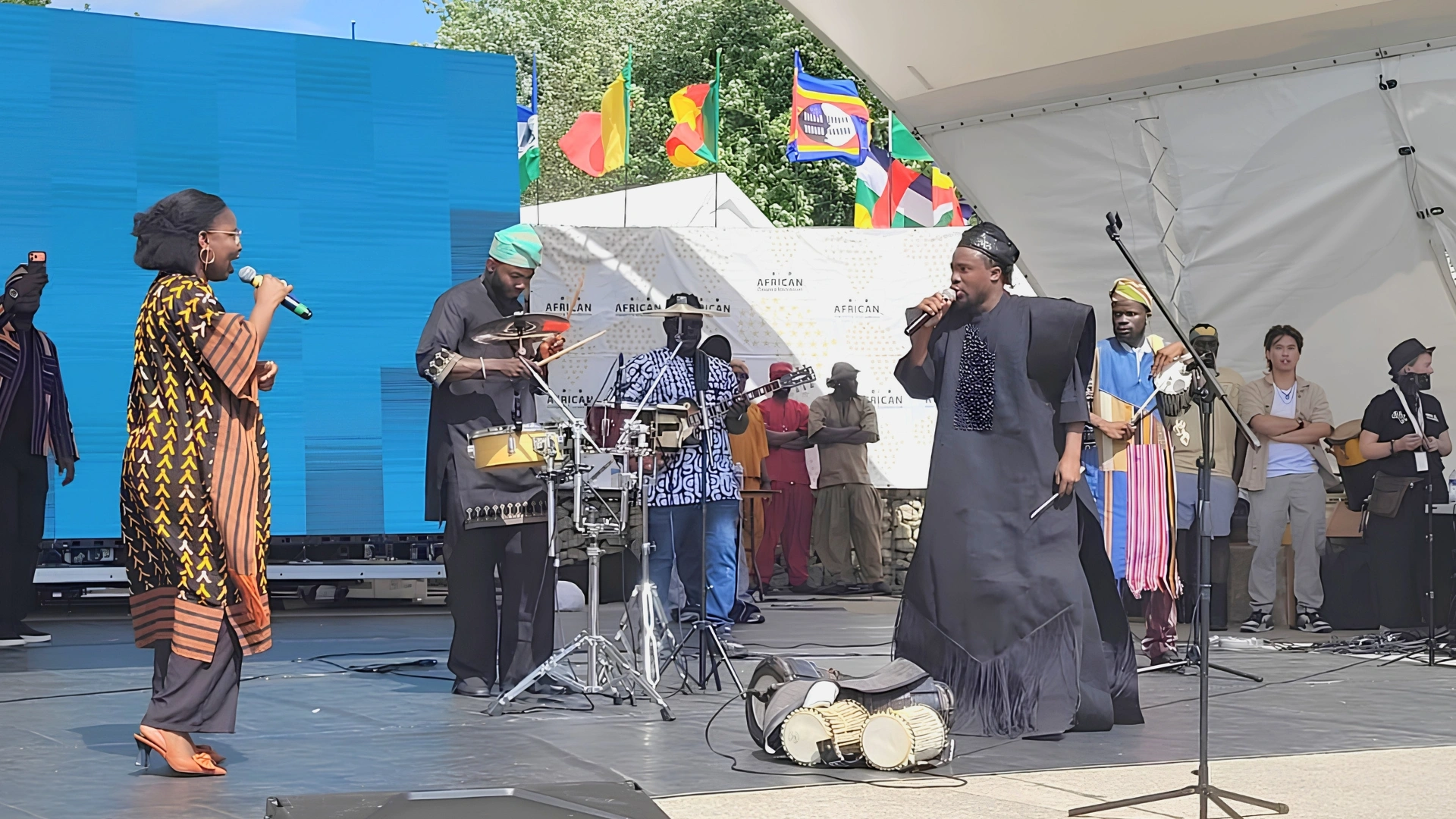
Oluwaseun Odewole delivered a spirited performance at the African Diaspora Festival (ADF Festival) 2026, treating audiences at Campbell Park, Milton Keynes, United Kingdom, to an energetic showcase of traditional Yoruba music and African classics.
As one of the festival’s two lead vocalists, Odewole opened the performance with renditions of popular Yoruba folk songs, including “Alu Jon Jonki Jon” and “Jomijo”, songs deeply rooted in Yoruba oral traditions and moonlight storytelling (Àlọ́).
Her confident stage presence immediately drew the audience into the performance as she exchanged call-and-response vocals with her fellow lead singer.
The familiar refrain, “Iya, Iya, takun walẹ o” (“Mother, mother, throw down the rope”), echoed across the venue, with the audience responding enthusiastically as the chorus of “Alu Jon Jonki Jon” filled the park.
Although there were moments when her vocal delivery lacked variation during some chorus sections, Odewole maintained a strong connection with the audience through expressive dance and engaging stagecraft.
The performance continued with “Ẹroplani O Dabọ”, a nostalgic song fondly remembered by many Nigerians who grew up in the 1990s and early 2000s. As the set progressed, she appeared more comfortable and increasingly expressive.

A major highlight came when the performance transitioned from traditional Yoruba songs to Bob Marley’s “No Woman, No Cry”. The internationally recognised classic immediately resonated with the diverse audience, many of whom joined in singing the chorus.
The atmosphere became even more emotional when the male lead invited a pregnant woman from the audience onto the stage before the performers launched into “Emi Ma Bímọ” (“I Will Give Birth”), a song celebrating motherhood and new life.
Odewole embraced the moment with warmth and sincerity, singing and dancing alongside the guest as the performance evolved into one of the most memorable moments of the evening.
Her expressive vocals and joyful stage presence encouraged enthusiastic audience participation, reinforcing the communal spirit that defines many traditional Yoruba performances.
The performance highlighted the enduring appeal of Yoruba cultural heritage while reflecting the broader objective of the African Diaspora Festival to celebrate African music, culture and identity among communities in the United Kingdom.
By the close of the set, Odewole had fully settled into her rhythm, leaving the audience energised and bringing the performance to a memorable conclusion with the same confidence and commanding presence that marked its opening moments.

