 Follow Us on Google News
 Follow Us on Google Discover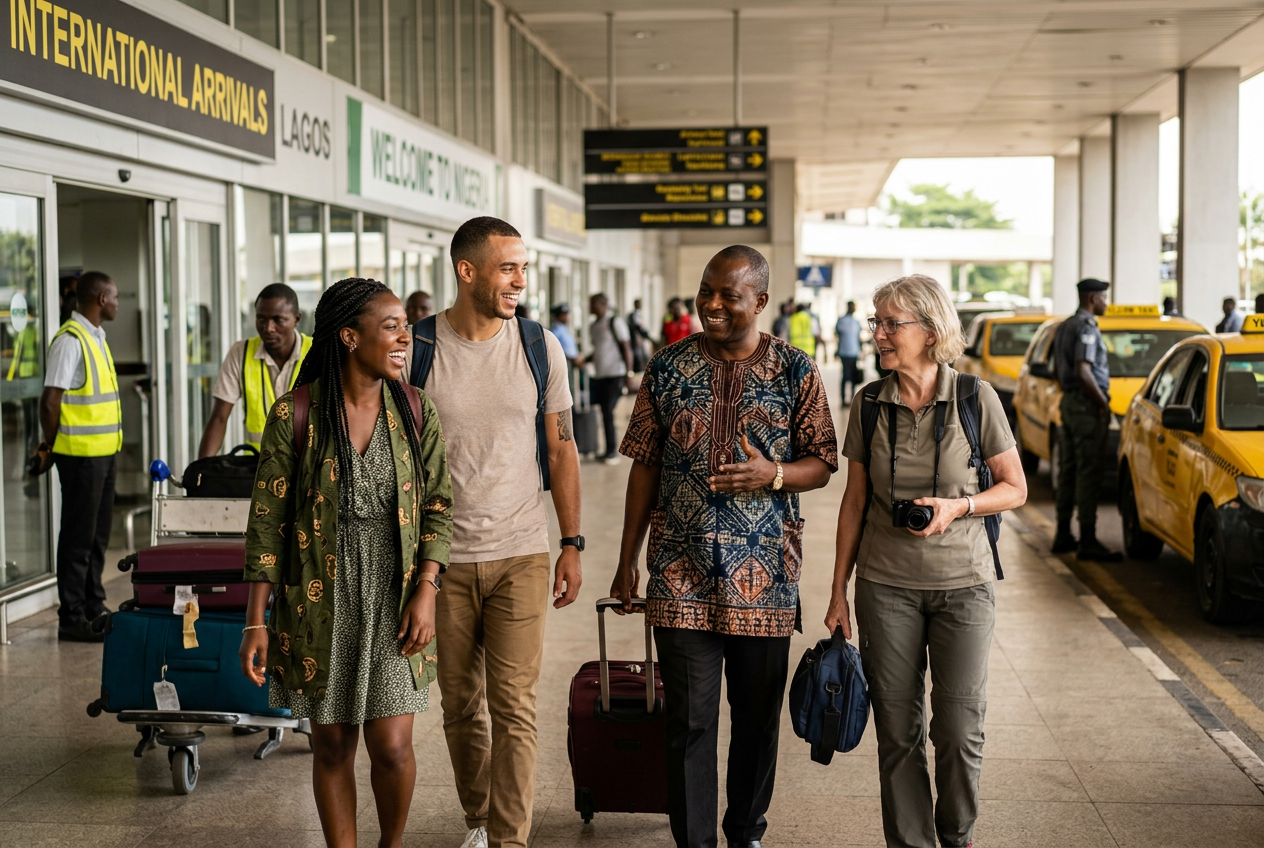
Welcome, friend, and pull up a chair. If you have ever wondered what attracts people to Nigeria, you are in good company, because it is one of the questions I get asked most. This piece is the happy result of months of research and years of watching visitors pour through Nigerian airports, often timed around the month-long street carnival that Wikipedia fairly calls Africa’s biggest street party. The short version is that the pull is rarely one thing. It is the music, the food, the people, and the sheer wattage of a country that never quite sits still.
Let me walk you through the whole picture, the way I would if we were sharing a plate of jollof.
Why Do People Travel to Nigeria?
People come for reasons as varied as the country itself, and I have learned never to assume.
Some arrive for family, some for business, and a growing number simply for the party. The diaspora homecoming is the loudest of these, that annual December pilgrimage when Nigerians abroad pour back into Lagos, Enugu, and Owerri to eat, dance, and remember who they are. The Nigeria Association of Tour Operators has noted a sharp rise in festive-season activity, driven by visitors returning to reconnect with their roots, and you feel it the moment you land.
Then there is business. Nigeria has Africa’s largest economy by several measures, and Lagos in particular hums with dealmakers, tech founders, and traders chasing a market of over 200 million people.
But honestly? A huge number come for the feeling. Nigeria has a way of grabbing you by the collar and refusing to let you be bored.

If you are planning your own first visit, here is the route I usually recommend, refined over many trips and a few rookie mistakes.
- Pick your season first, because December means carnival energy and higher prices, while the quieter months from February to May are gentler on the wallet.
- Sort your visa and vaccinations early, especially the yellow fever certificate, which you will be asked for at immigration.
- Choose one region to anchor your trip rather than trying to swallow the whole country in a week.
- Budget realistically in Naira, and keep some cash for markets and informal transport where cards simply will not work.
- Book accommodation well ahead if you are travelling in December, when short-lets in Lagos double or triple in price.
- Line up a trusted local contact or guide, because a good fixer is worth their weight in suya.
- Leave room in the plan for the unplanned, since the best Nigerian moments almost never appear on an itinerary.
Follow that and you will avoid the classic first-timer scramble. Trust me, I have done the scramble.
What Do People Come to Nigeria to See?
Ah, now we are talking. This is where Nigeria stops being an abstraction and becomes a place you can touch.
For inspiration before you even pack, the national tourism board keeps a running set of official destination guides covering landmarks, coastlines, waterfalls, and festivals right across the country.
The headline act for many is the Calabar Carnival in Cross River State, a month of costumed bands, boat regattas, and street parades that draws close to a million people each December. But the country is stuffed with quieter marvels too. There are the waterfalls at Gurara and Agbokim, the cool green heights of the Jos Plateau, and the sacred, tree-shaded calm of the Osun-Osogbo Grove, one of the last of its kind. The Federal Ministry’s own directory of natural attractions reads like a love letter to the landscape, from Shere Hill to the Ikogosi warm springs.
Wildlife lovers head for the national parks. Gashaka-Gumti in the east is a vast wilderness of forest and highland, and the country’s protected parks and reserves offer everything from elephants to rare primates for anyone willing to venture off the tarmac.
Lagos, of course, is its own attraction. The beaches at Badagry now see astonishing numbers, with the Lagos tourism ministry reporting over 45,000 weekly visitors at the height of the season. Add the Lekki Conservation Centre, the art galleries of Victoria Island, and a nightlife that starts late and ends later, and you have a city that rewards the curious.
A quick styling aside, since it matters more than you would think. For carnival and beach days, pack light, breathable fabrics and bright colours, because you will want to match the energy, not fight it. For a traditional event or a visit to an elder, smarter dress and covered shoulders show respect and open doors.
For the practical planner, here is how the big attractions compare.
Nigeria’s Standout Attractions at a Glance
| Attraction | Location (State) | Best Time to Visit | Typical Entry or Experience Cost (₦) |
|---|---|---|---|
| Calabar Carnival | Cross River | December | Free to watch, ₦5,000 to ₦50,000 for grandstand seats |
| Gurara Waterfalls | Niger | April to August | ₦500 to ₦2,000 |
| Osun-Osogbo Grove | Osun | August festival | ₦1,000 to ₦3,000 |
| Lekki Conservation Centre | Lagos | November to March | ₦2,000 to ₦5,000 |
| Gashaka-Gumti National Park | Taraba | November to April | ₦3,000 to ₦10,000 plus guide fees |
| Badagry Beaches | Lagos | December to January | ₦1,000 to ₦5,000 |
These figures are approximate, gathered from recent visits and operator quotes, and December pricing tends to run higher across the board. Use them as a rough guide rather than gospel, and always confirm before you travel.
So, What Attracts People to Nigeria?
Here is the honest, one-paragraph answer, because you deserve one.
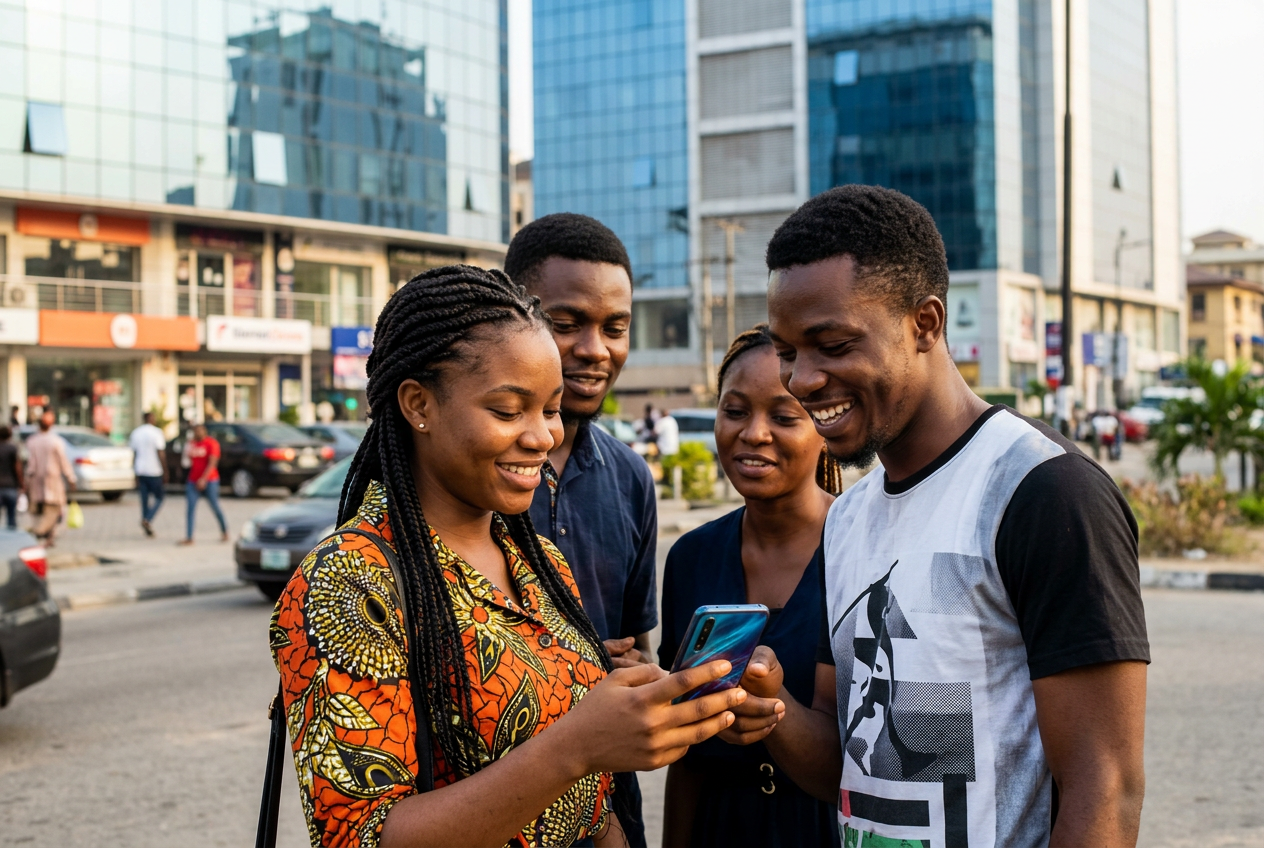
What attracts people to Nigeria is a rare combination of cultural gravity and human warmth that very few places can match. It is Afrobeats, the sound that now fills stadiums from London to Los Angeles, and Nollywood, the second-largest film industry on earth by output. It is the food, from jollof rice and suya to egusi and pounded yam. It is the festivals, the Calabar Carnival, the Argungu fishing festival, the Osun-Osogbo pilgrimage. It is the entrepreneurial buzz of Lagos, the depth of Yoruba, Igbo, and Hausa heritage, and the diaspora ties that pull millions home each year. And underneath all of it sits the thing people struggle to put into words: Nigerians are, by and large, some of the most generous, funny, and irrepressibly alive people you will ever meet.
That last part is what turns a first visit into a lifelong habit.
Which Countries Love Nigeria So Much?
This one always sparks a good debate, and there is no single official answer, so let me give you the honest lay of the land.
If we are measuring love by devotion to Nigerian culture, a few countries stand out. Jamaica shares deep ancestral and musical bonds with Nigeria, and the affection runs both ways, from reggae to Afrobeats. The United Kingdom and the United States host enormous, proud Nigerian communities, which is partly why Nigerian names, music, and jollof now feel almost native in London and Houston. That cultural pull has become a genuine gateway for diaspora reconnection, with celebrations like the Calabar Carnival drawing hundreds of thousands each year.
Then there are the neighbours. Ghana and Nigeria enjoy a famously spicy sibling rivalry (the jollof wars are real, and I take no prisoners), yet the mutual respect underneath is enormous. South Africa dances to Naija hits nightly, and Brazil, through its Yoruba-rooted Candomblé traditions, has loved a piece of Nigeria for centuries.
So which country loves Nigeria the most? I would gently argue it is whichever one just discovered Burna Boy.
What Do Nigerian Men Find Attractive?
Since you asked, and people always do, let me answer with the usual caveat that individuals vary enormously and no country is a monolith.
That said, certain themes come up again and again in Nigerian courtship, and they say something lovely about the culture. Good character, or what many would call being well brought up, tends to matter more than almost anything else. Ambition and intelligence are widely admired, as is a warm, family-minded nature, since family sits at the heart of Nigerian life. Respect for elders and a sense of humour rank high, and yes, presentation counts too, because Nigerians of all genders tend to dress with real pride.
What you will notice, though, is that the deepest attraction is rarely superficial. It is about someone who can hold their own at a boisterous family gathering, laugh at themselves, and cook a pot of something that makes the whole compound gather round.
Rather like the country itself, the pull is as much about warmth as it is about looks.
Final Thoughts: What Truly Attracts People to Nigeria
So we come full circle, and the picture is clearer now.
What attracts people to Nigeria is not a single monument or a single festival, but a living, humming combination of sound, flavour, colour, and character. The music travels the world, the food converts sceptics on the first bite, and the people fold you into the family before you have finished your introduction. Add the landscapes, the carnivals, and the sheer momentum of a young, ambitious nation, and you have a place that lodges itself somewhere behind your ribs and refuses to leave.
If you are thinking of going, my advice is simple. Choose one region, go in with an open heart and a flexible plan, learn a few words of the local greeting, and say yes more than you say no. Eat the street food, dance when the drums start, and let a stranger become a friend.
Nigeria will do the rest. It always does.
Related Articles
If you enjoyed this, you might like my deeper dive into the things this nation is best known for around the world, which unpacks the reputation behind the pull. I would also point you to my look at why this nation earns its continental heavyweight title, which puts all that cultural gravity into proper context.
Key Takeaways
- Nigeria’s pull is a blend of culture and warmth: Afrobeats, Nollywood, incredible food, and famously generous people who make visitors feel at home fast.
- The attractions are genuinely worth the trip, from the Calabar Carnival and national parks to waterfalls, beaches, and sacred groves, so anchor your visit to one region and go deep.
- Plan around the seasons and budget in Naira, booking early for December, and leave space for the unscripted moments that turn a first visit into a lifelong love.
Frequently Asked Questions About What Attracts People to Nigeria
What attracts people to Nigeria the most?
Most visitors are drawn by the culture, meaning the music, food, festivals, and famously warm people. The diaspora homecoming and Nigeria’s booming entertainment scene add a powerful annual pull, especially in December.
Is Nigeria safe for tourists to visit?
Many parts of Nigeria, particularly Lagos, Calabar, and the south-west, welcome tourists safely every year with sensible precautions. As with any large country, you should check current travel advice and avoid regions flagged for security concerns.
What is the best time of year to visit Nigeria?
December is the liveliest, thanks to the Detty December festivities and the Calabar Carnival, though prices climb sharply. The drier, quieter months from February to May offer easier travel and gentler costs.
What food should I try when I visit Nigeria?
Start with jollof rice, suya, pounded yam with egusi soup, and small chops at any party. Wash it down with chilled zobo or a cold Nigerian beer, and do not skip the roadside plantain.
Why do so many people from the diaspora return to Nigeria?
The diaspora returns mainly to reconnect with family, culture, and identity, and increasingly to invest and celebrate. The festive season has become a cultural pilgrimage that brings millions of naira and countless returnees home each year.
What are the top tourist attractions in Nigeria?
Highlights include the Calabar Carnival, the Gurara and Agbokim waterfalls, the Osun-Osogbo Grove, Gashaka-Gumti National Park, and the beaches of Lagos. Each region offers something distinct, so choosing one area lets you experience it properly.
How much does a trip to Nigeria typically cost?
Costs vary widely, but budget travellers can manage on modest daily spending while December visitors often spend far more on events and short-lets. Accommodation in Lagos can double or triple during the festive rush, so book early.
Which country loves Nigeria the most?
There is no official answer, though nations with large Nigerian communities like the United Kingdom and United States show deep affection. Cultural cousins such as Jamaica and Brazil, and neighbours like Ghana and South Africa, all adore Nigerian music and food.
Do foreign tourists really enjoy Detty December?
Absolutely, and their numbers are growing each year as word spreads about the concerts, beaches, and street parties. Many first-time foreign visitors come for the festivities and leave already planning their return.
What do Nigerian men find attractive in a partner?
Good character, ambition, intelligence, and a warm, family-minded nature tend to rank highest across Nigerian culture. Respect, humour, and a sense of pride in presentation matter too, though individual tastes naturally vary.
What makes Nigerian culture so appealing globally?
Nigerian culture exports incredibly well, from Afrobeats and Nollywood to fashion, literature, and food. Its blend of energy, creativity, and warmth resonates far beyond Africa, which is why it now shapes global pop culture.
Do I need a visa to visit Nigeria?
Most foreign visitors need a visa, which you should arrange before travelling, along with a valid yellow fever vaccination certificate. Check the current requirements for your nationality well ahead of your trip, as rules can change.

