
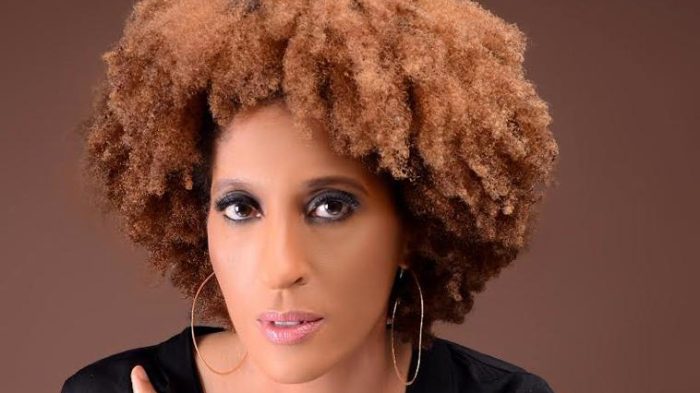
Tonye Faloughi-Ekezie champions advocacy for children with special needs. Inspired by her daughter Simone’s battle with heart complications and a late Down syndrome diagnosis, Faloughi-Ekezie channeled her background in TV and film production to address the lack of representation for black and African children with special needs. She created the groundbreaking picture book series “Ugo and Sim Sim” and Nigeria’s first baby board book, “Ugo and Sim Sim: Fruits and Vegetables”. She founded the Simone’s Oasis Foundation to transform societal perceptions of special needs and neurodiversity through storytelling and artistic expression. She is a founding member of the Association of Children’s Authors and Illustrators of Nigeria and a committee member for the Creative Industries Development Bill. Faloughi-Ekezie is also a sought-after speaker and co-hosts two podcasts focused on special needs parenting and African children’s stories. In this interview, she speaks on her drive and lead change for children with special needs.
Your advocacy journey began from a deeply personal place. How has Simone’s early health experience shaped the core philosophy driving your work today?
My advocacy journey is to this day from a very deeply personal place. Everything we do is driven from our needs as a family and that has adapted and changed as the children have gotten older. Simone’s early health experiences definitely shaped the philosophy. Whether it drives the philosophy now, I’m not sure, but it’s definitely that period really kind of groomed me. It was like my boot camp for what was to come because there were so many challenges medically. I really had to learn a lot, understand what the therapies are, why they were necessary, why they were being done. And that’s when I learned the importance of early intervention. And then that was in America.
And then in the UK, not having as much access as we did in the US, it was really challenging. I had to fight for a lot of what we needed and understanding that I had to advocate for my child, not as what I do now, but advocating as her parent, pushing – GP offices, doctors, social workers, finding out what charities could assist us. Essentially, which is interesting to think back now, was really where my advocacy started, not in advocating, becoming this advocate of which I am now, but I had to navigate a system that wasn’t built for people like us. And I had to advocate for my child to ensure that she got the medical and therapeutic interventions so she could heal and she could progress.
“Ugo and Sim Sim” broke global ground as the first picture book series with a black child with Down syndrome as the lead character. What systemic mindsets were you intent on disrupting when you created it?
When I wrote the book series, it was really out of a place of, I was distraught. You know, you’re feeling like isolated, you’re feeling depressed because our story, our journey wasn’t seen as worthy to be documented because we’re black, we’re African. And so therefore there’s no market or place for this kind of thing. And I may have believed that if I wasn’t in it myself, but being a parent of a Down syndrome child and special needs child, I’m living that journey. I knew that I wanted that. And in connecting with other friends and families, realising that they wanted that. So, I really understand the system was not built for us, but there is a market for us. So, I just had to figure out when I had written the books, I did kind of everything backwards.
I didn’t go and do market research. I was just doing what my family needed and realised that there are other families that would need it. So, I decided to operate outside of the structures.
The existing structures made my own distribution channels and just wanted to share our story and making children our advocates. They are the kids who get the books that parents read with them. The kids ask more questions; they want the next book. And so, there’s a kind of knowledge base and advocates army being built because children are the ones reading the books and parents are engaging with them in that. And therefore, hopefully the aim is changing mindsets within the home that these children, these families share with their own communities. And therefore, we don’t need that structure that considers us unworthy in order to make the change that we want to see. So, I’m all about disruption, operating outside of the channels and making good trouble.
Your advocacy spans animation, music, podcasts, and documentaries. What criteria guide your decision on which medium is best suited for a specific message or societal behaviour shift?
Our advocacy work uses storytelling in different formats, whether it’s documentaries, podcasts, animation, music, books`, we still operate in a very much a gut instinct. It depends on who the message is for, the demographic that it’s for. Is it for mums? Is it for families? Is it for dads? Is it for the kids? Is it for neurotypical kids? Is it for special kids? Is it inclusive for all the kids? And that really kind of determines what medium is best suited for a specific message. But when I’m thinking on a larger scale, to make a wider social impact, what I’m looking at now is short form content.
And that’s what we are discussing internally now for 2026 is looking at short form content for our messaging in terms of social impact stories that are also classified as entertainment. But really, when we are focused on kids, I’ll tell you the best things are books, and the music, and animated music videos. For kids, it really hits home. For adults, you know, it’s really our podcasts. And therefore, also looking to resuscitate our special Mums Africa podcast, we need to do a new season in 2026. So, looking forward to that, because so much has happened since we last wrapped.
In what ways does Art from the Heart 2.0 serve as both an awareness platform and a fundraising or sustainability lever for the foundation?
Art from the Heart 2.0 definitely serves both as an awareness platform and fundraising and for sustainability for the foundation. Yes, essentially Art from the Heart, the first one and this one essentially does that, right. Apart from everything we do, we also need funding to keep the lights on, to continue doing what we do and that’s why this event is so important. The first event not only went to help families and the community, it also helped us to pay staff, to cover bills, to keep our administrative organisation needs going. It allows us to continue to create so that we can go out and further source for more funding, show our development, create more content and just for us to have a wider presence, both physically in person and online as well. So, it’s really important as a fundraising platform to help raise awareness and to support families who don’t have the resources, don’t have the access but it’s essential for us to be able to keep going.
We don’t get any funding from the government. We just get on with things in our lane. This is the first year we have received a grant and we are also looking to have some serious partners come on board to support our organisation in 2026.
The Neurodiverse Creators Lab is a bold capacity-building intervention. What problem is it designed to solve that existing institutions are not addressing?
The Neurodiverse Creators Lab is bold, but how else are we going to make the change that we need to see? We have to be bold. And with Nigeria, we know that people don’t really know how to envision something in theory. It’s really once they see something that they jump on board. And we are so grateful to American Express and Tides Foundation for providing foundational support for us to get this going. And really, the problem that we want to help create a model for solution, is the fact that 27 million Nigerians live with disability, yet they’re invisible when it comes to education, when it comes to employment, and when it comes to society. A majority of children who have disabilities are out of school; they’re out of education.
And this is really sad because for them to improve their situation, they need access to resources, they need access to education. But with stigma, myth, prejudice, people don’t feel the value in providing that or giving that access or resources in which to access that much needed skill. And so, we’ve created a model that we believe will work.
People with neurodevelopmental challenges or like Down syndrome, autism, ADHD, and the like do very, very well in creative industry and creative sector. One organisation that has done this and is thriving with this is Exceptional Minds in the US. And their young people go on to work for huge film studios and work on films like Avatar, they work for Warner Brothers, and they’ve created this pipeline straight into the film industry from their organisation’s programmes, which trains young people with autism and other challenges in the film industry. And in Nigeria, we’re always complaining there’s not enough skill set and there’s so much demand, but not enough capacity.
How do you envision the Lab influencing long-term policy conversations around early intervention and neurodiversity in Nigeria?
I do envision the Neurodiverse Creators Lab, influencing long-term policy conversations, not around early intervention but definitely around neurodiversity in Nigeria because this is the first time we’re looking a little older, we’re looking at adolescents and young adults and trying to create that pathway. And proving that pathway works and therefore our goal is to have a policy that kind of creates incentives for workplaces to be inclusive, have a certain number of neurodiverse or special needs employees and enforce that, whether it’s through incentives or other means in their workforce.
How do you plan to scale Simone’s Oasis Foundation beyond advocacy into systems-level change within education and creative representation?
That’s quite an interesting question. Ultimately, our goal with the foundation is to be this creative media company that is inclusive both in front with talent and behind the camera or behind the scenes with that talent. So, you’ve got neurotypical people working with neurodivergent people. So, we have a true neurodiverse organisation in its operations.
