

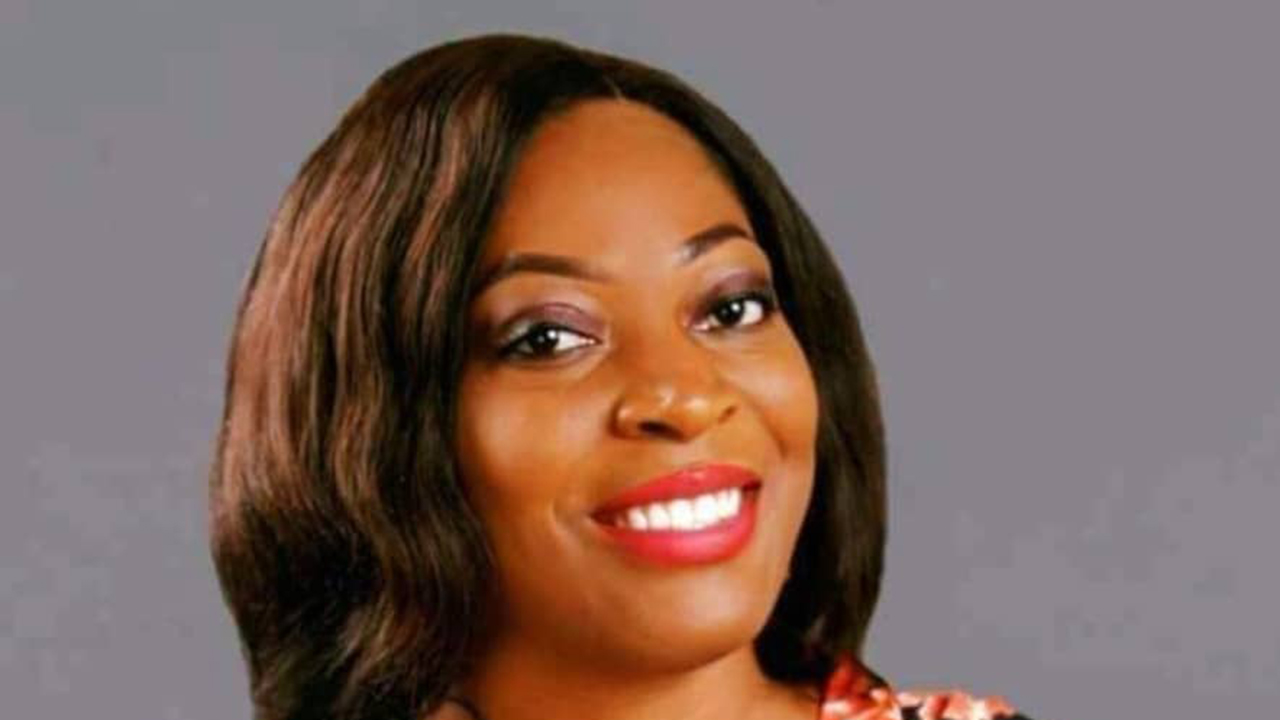
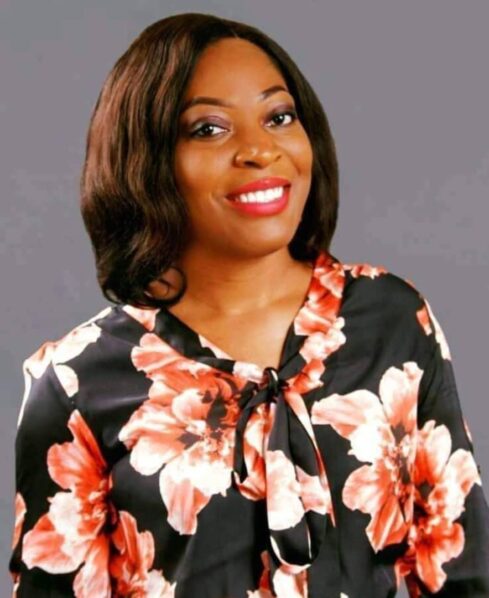
Ogechi Ofurum is a dynamic and results-oriented executive with a diverse background spanning various sectors including Education, information technology and non-profit. As the CEO of Bethesda Child Support Foundation, she leads strategic initiatives aimed at providing essential support and services to children from underserved communities. Ogechi is currently pursuing a Doctor of Philosophy (PhD) in Mass Communication.
Additionally, she also holds a Master of Business Administration (MBA) from Cardiff Metropolitan University, enhancing her expertise in business management and strategic leadership. Prior to her MBA, Ogechi earned a Master’s degree in Mass Communication and a Bachelor’s degree in Communication, laying the foundation for her academic and professional journey. In this interview with GERALDINE AKUTU, she talks about her work, the organisation’s passion to empower children in underserved communities across Nigeria and other sundry issues.
[ad]
What led you to work with Bethesda Child Support Foundation?
Having been in the education sector for over a decade, from being a classroom teacher to managing programs and operations for various education-focused organizations, hearing the number of out-of-school children in Nigeria was overwhelming. The need to change this narrative became an inspiration for me. So, when the opportunity to be a part of the change presented itself at Bethesda Child Support Foundation, I jumped on it. Bethesda’s mission of providing quality, tuition-free education to underserved communities resonated deeply with my passion and commitment to making a lasting impact in education.
How has the journey been being part of this initiative?
Working in slums, underserved, and isolated communities has opened my eyes to the depth of their struggles, and has fueled a greater sense of purpose and responsibility. Witnessing the transformation in children’s lives, seeing them grow in knowledge and confidence, and knowing that we are breaking cycles of poverty and illiteracy make every effort worthwhile.
How are you funded? Is it through philanthropy?
Yes, our work is primarily funded through philanthropy. Generous donations from individuals, church communities, foundations, and corporate organizations whose Corporate Social Responsibility aligns with our values enable us to build schools and provide academic scholarship to our beneficiaries. Each donation helps us create opportunities and impact lives at every level of our work.
Can you share your growing-up experience?
I was born and raised in Warri, Delta State, in a loving and supportive family. The culture and dynamic environment instilled in me a strong sense of resilience that prepared me for leadership.While Warri shaped my resilience, growing up there; I found myself yearning for more, beyond what my immediate environment could offer. My father, a man of great foresight and discipline, recognized this ambition early on. He encouraged me to embrace education as the key to unlocking my potential, a piece of advice I took to heart. My passion for learning became so intense that I earned the label of “bookworm” from those around me. But to me, it was beyond the books; it was about using knowledge as a bridge to a brighter future.
You are so passionate about educating young children and women. What is the SheReads initiative all about?
SheReads is a literacy program of the Bethesda Child Support Foundation, designed to address the significant literacy gap among young women in rural Nigeria. Targeted at girls aged 15-24 with critically low literacy levels, the initiative provides a one-year intensive program aimed at equipping participants with essential reading and writing skills. Literacy is the cornerstone of lifelong learning, yet many young women are deprived of this basic right, perpetuating cycles of poverty and hindering social and economic development. SheReads seeks to break this cycle by fostering a love for reading, building comprehension, and empowering participants with the tools they need to engage meaningfully in their communities. In underserved areas like Ojumole, where literacy levels are often alarmingly low, SheReads is about rewriting the narrative. It aims to give young women not only the ability to read and write but also the confidence and skills to shape their futures, unlocking opportunities for personal and community transformation. This year, we are expanding to other geographical locations in Nigeria.
[ad]
Can you share your success stories?
Currently, about 200 girls and young women are enrolled in the first phase of SHE Reads in Ojumole. They attend classes on selected days, learning to read and write. When we conducted the baseline study, many participants could only communicate in their local dialects. Now, they are making strides in basic conversations such as greetings and introductions in English. Our continuous assessment shows a remarkable 60% improvement in their literacy skills, and we are nearing the end of the first phase. This success fuels our vision to expand SHE Reads to more communities across Nigeria, empowering thousands of women to rewrite their stories.
What positive changes would you like to see in the Nigerian education sector?
I envision an education sector where every child, regardless of socioeconomic background, has access to quality education. This means well-equipped schools, highly trained teachers, and a curriculum designed to prepare students for the challenges of the modern world. Education should not be a privilege; it is a fundamental right that must be accessible to all. To achieve this, we must focus on both quality and accessibility. Beyond constructing schools, significant investment is required in teacher training, curriculum enhancement, and modern learning resources. Inclusive education should also take center stage, ensuring no child is left behind due to gender, disability, or economic constraints. I firmly believe that collaboration is key. A unified effort between the government, private sector, and civil society is critical to delivering innovative solutions and driving systemic change. Together, we can create an education system that empowers every child to reach their full potential.
What’s your advice to young children and women?
To young children, education is your greatest tool for exploring the world and achieving your dreams, therefore embrace learning.To women, believe in your potential and don’t be afraid to take up space. Equip yourself with skills, pursue your passions, and remember that you have the power to inspire and uplift others.
[ad]
