

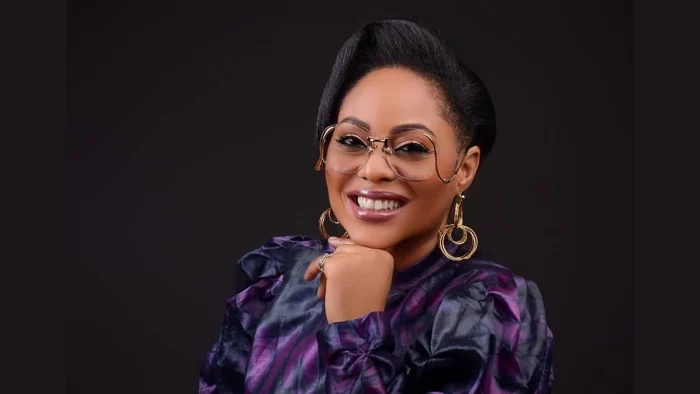
Dr. Elishama Rosemary Ideh is a Nigerian evangelist, humanitarian, and advocate for national transformation. Through Christ the Ever-Present Ministry, she is empowering vulnerable communities across Nigeria. She also founded the Partnership For A New Nigeria (PFANN) to champion restructuring and leadership reform. Her 2019 presidential ambition brought her into national attention as a voice for change. A Mass Communication graduate of Bowie State University, Maryland, USA, she has devoted years to supporting widows, orphans, street children, persons living with disabilities, and the less privileged. In this interview, she talks about low representation of women in leadership, barriers hindering women and emphasised on the need to dismantle stereotypes that causes limitation.
What sparked your interest in politics?
I am not a politician per se but my journey into politics was born out of burden and compassion for Nigeria. As an evangelist, I traveled across different parts of the nation and witnessed firsthand the suffering, hopelessness, and systemic challenges faced by ordinary Nigerians. I realised that beyond preaching salvation, there was also a need to speak to governance, justice, and nation-building. God began to stir my heart toward national reformation and raising a new consciousness among the people. That passion led me into advocacy and eventually into active political engagement, including my aspiration for the office of the President of the Federal Republic of Nigeria in 2019. My desire has always been to see a Nigeria built on righteousness, justice, accountability, and godly leadership.
You founded Partnership For A New Nigeria. What is it all about?
Partnership For A New Nigeria (PFANN) is a socio-advocacy movement committed to awakening the consciousness of Nigerians toward national transformation and responsible citizenship. It was birthed from a deep passion to see the emergence of a New Nigeria founded on truth, justice, integrity, and the fear of God. PFANN seeks to mobilise citizens, especially the youth and women, to become active participants in nation-building rather than passive observers. We advocate for good governance, ethical leadership, social justice, and policies that prioritize the welfare of the people. Our goal is to inspire hope and restore the belief that Nigeria can indeed become great again.
Have you ever been discriminated against in a leadership position because you are a woman?
Yes, there have been moments where gender bias was evident, especially in spaces traditionally dominated by men such as politics and leadership. Sometimes people underestimate women or question their capacity simply because they are female. However, I have never allowed discrimination to define me or limit what God has called me to do. I believe competence, character, vision, and grace ultimately speak louder than stereotypes. Rather than becoming bitter, I chose to remain focused, resilient, and committed to excellence.
There seems to be so much talk around low representation of women in leadership positions, what’s your opinion on this?
I believe women possess tremendous leadership capacity and have a vital role to play in shaping society. Unfortunately, cultural limitations, systemic barriers, and lack of opportunities have contributed to low female representation in leadership. Women bring compassion, wisdom, resilience, and balance to leadership. We need to intentionally create environments where women are encouraged, trained, supported, and given equal opportunities to lead and contribute meaningfully. A society that sidelines women is depriving itself of enormous potential.
How can leaders and organizations more effectively challenge and change these barriers to ensure inclusion?
Leaders and organisations must become intentional about inclusion. It starts with changing mindsets and dismantling stereotypes that limit women and marginalised groups. Policies should promote equal opportunities, mentorship, education, and leadership development. Organizations should also create safe and supportive environments where women can thrive without intimidation or discrimination. Inclusion is not just about representation; it is about giving people a voice, value, and opportunity to contribute meaningfully.
As a woman who is so passionate about good leadership, what are the important qualities for leading during uncertain or challenging times?
In difficult times, leaders must possess courage, integrity, wisdom, compassion, and vision. A true leader remains calm in crisis and provides direction even when circumstances are uncertain. Leaders must also be prayerful, discerning, and people-centered. During challenging seasons, people need hope, honesty, and reassurance. Great leadership is not about power; it is about service, sacrifice, and the ability to inspire others to keep moving forward despite adversity.

What are the things you do to empower women and girls?
Through mentoring programs, leadership initiatives, ministry outreach, and humanitarian interventions, I work to help women and girls discover purpose, build confidence, and maximize their potential. Through Christ The Ever-Present Ministry and Mentoring Women/Raising Leaders initiatives, we support widows, young girls, vulnerable women, and the less privileged through counseling, empowerment programs, spiritual development, and leadership training. My passion is to raise women who are spiritually grounded, intellectually equipped, emotionally healthy, and socially impactful.
You’re also a minister of the gospel. What are the unique blessings you’ve received as a woman in ministry?
One of the greatest blessings has been the privilege of seeing lives transformed through the power of God. Ministry has allowed me to bring healing, hope, restoration, and encouragement to countless people across different nations and backgrounds. As a woman in ministry, I have also experienced God’s grace in unique ways breaking barriers, opening doors, and using my voice to impact generations. It has taught me total dependence on God and shown me that when God calls a person, He also equips them.
In terms of Christian principles, has the Nigerian church equipped the average Christian to make positive impact in society?
The Church in Nigeria has made significant contributions spiritually and socially, but there is still much work to be done in equipping believers for societal transformation. Christianity must go beyond church activities and translate into values, integrity, compassion, accountability, and national responsibility. Believers must understand that faith should influence every area of life governance, business, education, family, and community development. The Church must continue raising disciples who will become solutions and positive change agents in society.
What do you consider the most significant milestone in your work and ministry?
One of the most significant milestones has been seeing lives transformed and hope restored through ministry, advocacy, mentorship, and humanitarian outreach. Raising leaders, empowering women, and being a voice for national transformation have been deeply fulfilling. Another remarkable milestone was stepping forward to contest for the presidency in 2019. It was not merely a political ambition, but a statement of conviction that righteous leadership and national transformation are possible in Nigeria.
What is your advice for women aspiring to take up leadership positions?
My advice is: believe in yourself and never allow fear or societal limitations to silence your voice. Invest in personal growth, education, competence, character, and spiritual development. Leadership is not about gender; it is about capacity, vision, and service. Women must be bold enough to step into spaces where decisions are made and contribute meaningfully. Stay resilient, remain focused, and never compromise your values.
