 Follow Us on Google News
 Follow Us on Google Discover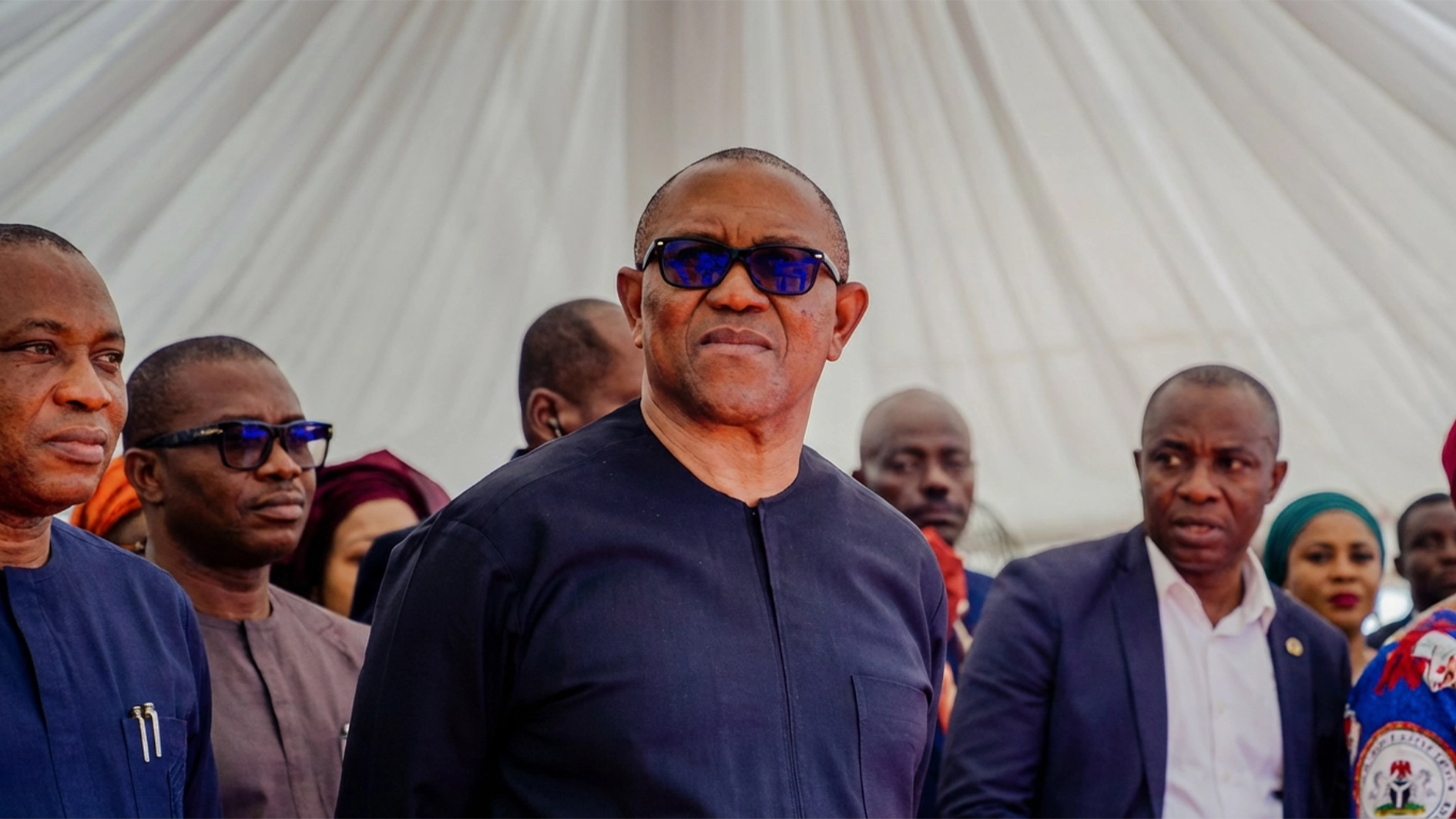
• Atiku accuses President of exporting Nigeria’s wealth, importing hardship
Peter Obi Media Office has raised the alarm over the reported endorsement of President Bola Tinubu by about 600 academics.
This was as the Independent National Electoral Commission (INEC), yesterday, reaffirmed its commitment to transparent, credible, inclusive and peaceful 2027 general elections.
Meanwhile, the African Democratic Congress (ADC) presidential candidate, Atiku Abubakar, accused Tinubu of running an economic policy that ships Nigeria’s wealth abroad in raw form while leaving Nigerians at home with higher prices, weaker purchasing power and struggling factories.
It is alleged that the development could be an early attempt to compromise the 2027 presidential election.
In a statement yesterday, Obi’s media office lamented that the issue should not be dismissed as the political choice of private citizens.

Its spokesman, Idris Zekeri Jnr., said many dons were often recruited by INEC as returning and collation officers, making the reported endorsement a matter of concern ahead of the 2027 election.
The Obi camp questioned whether academics, who openly support the incumbent, should later be allowed to handle sensitive electoral duties.
It warned that such a situation could create a conflict of interest and weaken public confidence in the election.
“Electoral rigging does not suddenly occur on election day; it begins months or even years earlier,” the group said, while urging Nigerians to remain vigilant ahead of the election.
However, Acting Chairman of the Commission, Prof. Rhoda Gumus, gave assurance of credible elections when a delegation of the African Union (AU) Pre-Election Needs Assessment Mission visited INEC.
The AU delegation, led by former Deputy Prime Minister and Minister of Foreign Affairs of Ethiopia, DemekeMekonnen, is in Nigeria to assess the country’s electoral preparedness and identify areas requiring further support and intervention.
Gumus welcomed the mission, describing it as an opportunity for peer assessment, institutional learning and strengthening of Nigeria’s electoral processes at a critical period in the country’s democratic journey.
She said INEC valued its partnership with the AU in promoting democratic standards and credible electoral governance across the continent.
According to her, the mission should not be regarded as a mere formality but as a mechanism to strengthen institutional resilience and public confidence in the electoral process.
Gumus said INEC had commenced extensive operational, technological and logistical preparations for the 2027 elections to ensure effective participation by all eligible Nigerians.
She added that lessons from recent off-cycle elections in Anambra, the Federal Capital Territory (FCT), Ekiti and Osun states continued to provide valuable learning opportunities for INEC.
The acting chairman identified areas where technical and institutional support from the AU would be valuable, including digital training for ad hoc election personnel, countering election-related disinformation and deep fakes, strengthening the Election Monitoring and Support Centre, and improving inclusivity and gender-mainstreaming frameworks.
In a statement issued by his Senior Special Assistant on Public Communication, PhrankShaibu, the ADC flagbearer said the contradiction has become impossible to hide.
According to Atiku, Nigeria is exporting more raw materials, yet Nigerian manufacturers are sitting on trillions of naira worth of unsold goods because ordinary families can no longer afford what they produce.
He said: “This is the painful paradox of Tinubu’s economy: the ships are leaving our ports full, but the pockets of Nigerians are empty. The government celebrates exports and trade surpluses while families are cutting meals, businesses are counting unsold stock, and manufacturers are struggling to keep their gates open.
Reports said Nigeria’s raw-material exports rose by 106 per cent, from N1.86 trillion in the first half of 2025 to N3.84 trillion in the first half of 2026.
Atiku said: “There is nothing wrong with exporting. The problem is exporting the cheapest part of the value chain and buying back the expensive part.
“When we export cocoa beans instead of cocoa butter, powder and chocolate, hides instead of leather products, cotton instead of garments and minerals without processing them, we are handing other countries the opportunity to make the real money from resources that came from Nigerian soil. That is not how prosperous nations are built. Nigeria must stop behaving like a loading bay for raw materials.”
The former vice president said the clearest evidence of the failure of Tinubu’s policies is the crisis of purchasing power at home.

